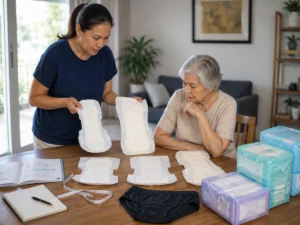
If you’re dealing with incontinence and searching for how to choose incontinence products for elderly women, you already know the frustration. The leaks, the worry, the constant second-guessing about which product will actually work.
And we get it, choosing incontinence products can feel overwhelming. Soon enough, your confidence takes a hit, and the struggle to find the right product slowly reduces your quality of life.
That’s why we put this guide together. You’ll learn how to identify what you need based on things like absorbency, fit, and comfort.
Let’s start with what really affects your choice.
Key Factors for Choosing the Right Incontinence Product for Elderly Women
Choosing the right incontinence product starts with understanding your body and your daily routine. That means thinking about the type of incontinence you have, how much protection you need, and how the product fits. We’ll break each one down to make the whole process easier.
Understanding Your Type of Incontinence
Not every woman experiences incontinence the same way, which is why your first step is to identify what you’re actually dealing with. Here’s a quick look at the most common types of incontinence in older women:
- Stress Incontinence (Light): If you have ever leaked a small amount of urine when you laughed too hard or picked up something heavy, that’s stress incontinence. It happens because the pelvic floor muscles that support your bladder have weakened over time, often due to pregnancy, childbirth, or ageing.
- Urge Incontinence (Heavy): The cause for heavy incontinence is usually overactive bladder muscles. You’ll feel a sudden, intense need to go, and sometimes urine leaks out before you can make it to the toilet. Basically, your bladder is sending “full” signals to your brain even when your bladder isn’t actually full.
- Bowel Incontinence: This condition affects the bowel. Episodes can range from occasional accidents to more frequent loss of control. A lot of older women experience it alongside urinary incontinence, too, which is why the right protection is important.
- Mixed Incontinence: Some women deal with a combination of both bladder and bowel problems. In fact, mixed incontinence alone affects over 37% of women aged 65 and older, which makes it one of the most common types among elderly women.
Once you know which type you’re experiencing, you’ll be able to choose suitable incontinence products that match your specific situation. This helps you avoid guessing and reduce months of trial and error.
Matching Absorbency Levels to Your Needs
Absorbency is one of the main factors when picking incontinence products. If you get the wrong level, you’ll either feel bulky or end up dealing with leaks that the product can’t handle.
Below are some general tips on what different absorbency levels look like in practice:
- Light: Liners and thin pads are your best bet for managing light urinary incontinence, like small drips when you sneeze or exercise. They’re discreet enough to wear under everyday clothing and typically hold around 240 to 360ml of fluid.
- Moderate: Most moderate absorbency products absorb between 360 and 600ml, which gives you extra security without adding too much bulk. If your leakage is more regular throughout the day but doesn’t involve full bladder release, these incontinence pads are a good fit.
- Heavy: Pull-up pants or adult briefs are suitable when you need to manage larger volumes of urine. Depending on the brand, they can hold anywhere from 600ml to over 1,000ml. Because of this stronger protection, these work better for women who experience both urinary and bowel incontinence at the same time.
You’ll notice that most incontinence products use a drop rating system or colour-coded packaging to indicate the appropriate absorbency level. Generally, a one-drop rating means light protection, while five or more drops means heavy.
That said, there’s no universal standard across brands, so a “moderate” from one company might perform quite differently from another. And if you’re not sure where to start, try requesting samples from your local pharmacy or online medical supply stores before buying in bulk.
You can test the product’s effectiveness without spending too much upfront.
Choosing the Right Product Size and Fit
Gaps around the legs often lead to leakage, while anything too tight will put pressure on your skin and cause discomfort. If the product slips or bunches up, you won’t feel secure either.
So wrap a flexible measuring tape around the widest part of your hips to find the right product size. Once you have that number, compare it with the size guide on the packaging.
If your measurement falls between two sizes, we recommend choosing the larger one for a more comfortable fit. Remember that a good fit will feel snug in the groin area without leaving red marks on your skin.
Useful Tip: Don’t rely on your regular clothing size, because incontinence product sizing is based on hip and waist measurements rather than standard clothing sizes.
Incontinence Products Explained: Pads, Pull-Up Pants, and More
There’s a wide range of incontinence products available, and each one is built for a different level of protection. The best choice really depends on how much coverage you need and how you spend your day.
This section will walk you through the main options to help you figure out what fits.
Incontinence Pads and Liners for Light Protection
If you’re only dealing with small, occasional leaks, incontinence pads and liners are a great place to start. They’re thin, discreet, and sit inside your regular underwear using adhesive strips on the back. That also means changing them is quick and easy, even when you are away from home or in public.
Just keep in mind that these pads usually reach their limits within 2 to 4 hours for light leakage. So if your leaks are getting heavier or you’re also dealing with bowel incontinence, you’ll need a product with higher absorbency to manage it properly.
Pull-Up Pants for Everyday Use
For women with moderate incontinence who need a step up from pads, pull-up pants are one of the most practical day-to-day options. You wear them just like regular underwear, which means pulling them up and down when you go to the toilet is simple and familiar.
That makes them a natural fit for women who are still fairly active and want to stay independent throughout the day. On top of that, most pull-up pants offer protection for around 6 to 10 hours while still being discreet enough to wear under everyday clothing.
Solutions for Heavy Incontinence and Overnight Use
When pads and pull-ups aren’t enough, high-absorbency briefs are your next choice. These are products designed to absorb larger volumes of urine over extended periods, which makes them especially useful for overnight use.
Some overnight briefs can hold well over 1,000ml of fluid, which is roughly equal to about 4 cups of liquid or a little more than a standard large water bottle. They also usually feature higher leak barriers along with wider cores to prevent leaks in any sleeping position.
If you want an extra layer of security, we highly recommend pairing your overnight briefs with a bed pad. This combination works particularly well for anyone who moves around a lot during sleep.
Choosing Based on Lifestyle and Daily Routine
Now that you know the main product types, you need to match one to your actual lifestyle. Every person’s routine looks a bit different, so here’s a quick guide to help you decide:
- Active Lifestyle: If you’re regularly out walking, shopping, or visiting friends, pull-up pants will give you the confidence and security to move freely. They’re easy to change in any bathroom, which really helps when you’re away from home for a while.
- Home-Based Routine: Women who spend most of their time at home, pads or briefs may be more suitable. You can change them whenever you need to without feeling rushed. Plus, you have more flexibility to try different products in a comfortable setting.
- Long Outings: A moderate to heavy pull-up or brief is the safest option when you need to wear protection for around 6 to 10 hours. It’s perfect if you’re heading out for a longer stretch, like shopping trips, or long commutes where bathroom access might be limited.
The goal is to find something that supports your quality of life and gives you the confidence to go about your day without worrying. And if you’re ever confused about which option is right for you, your local continence service can guide you with advice specific to your situation.
Common Mistakes When Choosing Incontinence Products and How to Avoid Them
Even with the best intentions, it’s easy to make a few missteps when picking incontinence products. And the wrong choice can lead to leaks, skin problems, and unnecessary frustration.
Have a look at some of the most common mistakes we see, along with simple advice on how to avoid them.
Focusing Only on Price Instead of Quality
It’s tempting to grab the cheapest option on the shelf, and honestly, most of us have done it at some point. But lower-cost incontinence products often fall short on absorbency and protection, which usually means more frequent leaks, discomfort, and replacements throughout the day.
In most cases, you actually end up spending more over time because you go through the product so much faster. We’ve seen some spend 3 to 5 packs each month (yes, packs!). So while it might feel like you’re saving money upfront, a slightly higher quality product that works properly will cost you less in the long run.
Ignoring Skin Health and Hygiene Needs
Wearing pads or briefs for long hours without the right skin care can lead to skin damage over time. In fact, prolonged contact with moisture is one of the main causes of Incontinence-Associated Dermatitis, which leads to redness, rashes, and sometimes even infection.
That’s why we always recommend combining your incontinence products with proper skincare and hygiene products. Items like barrier creams, gentle cleansers, and breathable materials will keep your skin healthy, reduce irritation, and prevent breakdown underneath.
Choosing the Wrong Absorbency Level
Getting the absorbency wrong is another common issue, and it can go both ways. For instance, if the absorbency level is too low, you’ll deal with leaks and keep worrying about whether your protection will hold. But if the absorbency is too high, the product can feel bulky and uncomfortable during daily wear.
So your best option is to choose an incontinence product that matches your leakage level, rather than the highest absorbency option or the one marketed as “extra protection” on the shelf. You can start with a medium level and then adjusting after a few days based on how it performs.
Not Trying Different Products
A lot of women stick with the first incontinence product they try, even when it isn’t the right fit. And, as you understand by now, what works for one person might not suit you at all.
For example, one brand may fit better around your hips, while another may last longer during the day. Fortunately, many suppliers offer samples, so you can test different options before buying in bulk.
Try a few products first, and soon you’ll find one that feels comfortable and suits your daily routine.
Skipping Professional Advice
Out of all these mistakes, this one probably has the most significant impact on how well you manage things long-term. A healthcare professional or continence nurse can properly assess your bladder and bowel problems and then recommend products based on your individual needs.
In Australia, Nurse Continence Specialists run the National Continence Helpline (1800 33 00 66) and offer free, confidential advice. You can also contact your local continence service through the Continence Health Australia website to find a specialist near you.
And even if you’re not ready for that step yet, a quick chat with your doctor can still guide you toward the right option. The point is, you have plenty of support available, and often, expert help is just a phone call away.
Choose the Right Incontinence Product to Improve Quality of Life
So, how are you feeling about choosing incontinence products now? Once you find the right product, you’ll notice the positive changes in your day-to-day life.
The right protection gives women back their comfort, their dignity, and most importantly, their confidence. And that’s what improving your quality of life really looks like.
If you’d like more guidance, Oz Continence is here to help. Visit our website for trusted advice on continence products, bladder health, and everyday tips.
FAQs About How to Choose Incontinence Products for Elderly Women
Still have questions? Here are some of the most common ones we get about choosing incontinence products, along with quick answers about managing incontinence.
What Are the Best Incontinence Products for Overnight Use?
For overnight use, high-absorbency briefs with wider cores and taller leak barriers offer the best protection. They’re products designed to handle larger volumes of urine over extended periods, so you can sleep without worrying about leaks. You can pair them with a bed pad for an extra layer of security.
How Do I Know Which Absorbency Level I Need?
Start by paying attention to how often you experience leaks and how much fluid is involved each time. Light drips only need thin pads or liners, while heavier or more frequent leakage calls for products with higher absorbency levels. If you are between two options, it’s usually safer to choose a pad that holds about 100 to 200 ml more than your current need.
Are Pull-Up Pants Better Than Pads for Elderly Women?
It depends on your mobility and how much protection you need. Pull-up pants are ideal for women who can still get to the toilet independently, since they slide on and off like regular underwear. Pads, on the other hand, suit lighter leaks and are easier to swap out quickly throughout the day.