
You can prevent falls in elderly adults at home with a few tips. Better lighting, fewer trip hazards, and grab bars in wet areas are a good place to start. Regular balance exercises can also lower fall risk over time.
Unfortunately, falls are one of the leading causes of injury among older Australians, but many of them don’t have to happen. The right fall prevention steps can stop them before they start. Even a “near fall” counts as a warning sign. So if it’s happened to you or someone you care about, don’t brush it off.
In this article, we’ll share how to prevent falls in elderly adults. We’ll walk you through:
- Common causes of falls in older people
- Ways to make your home safer
- Practical prevention strategies for older adults to stay independent
Let’s start with understanding the risks and hazards in your home.
Fall Prevention: Understanding Fall Risk and Home Hazards
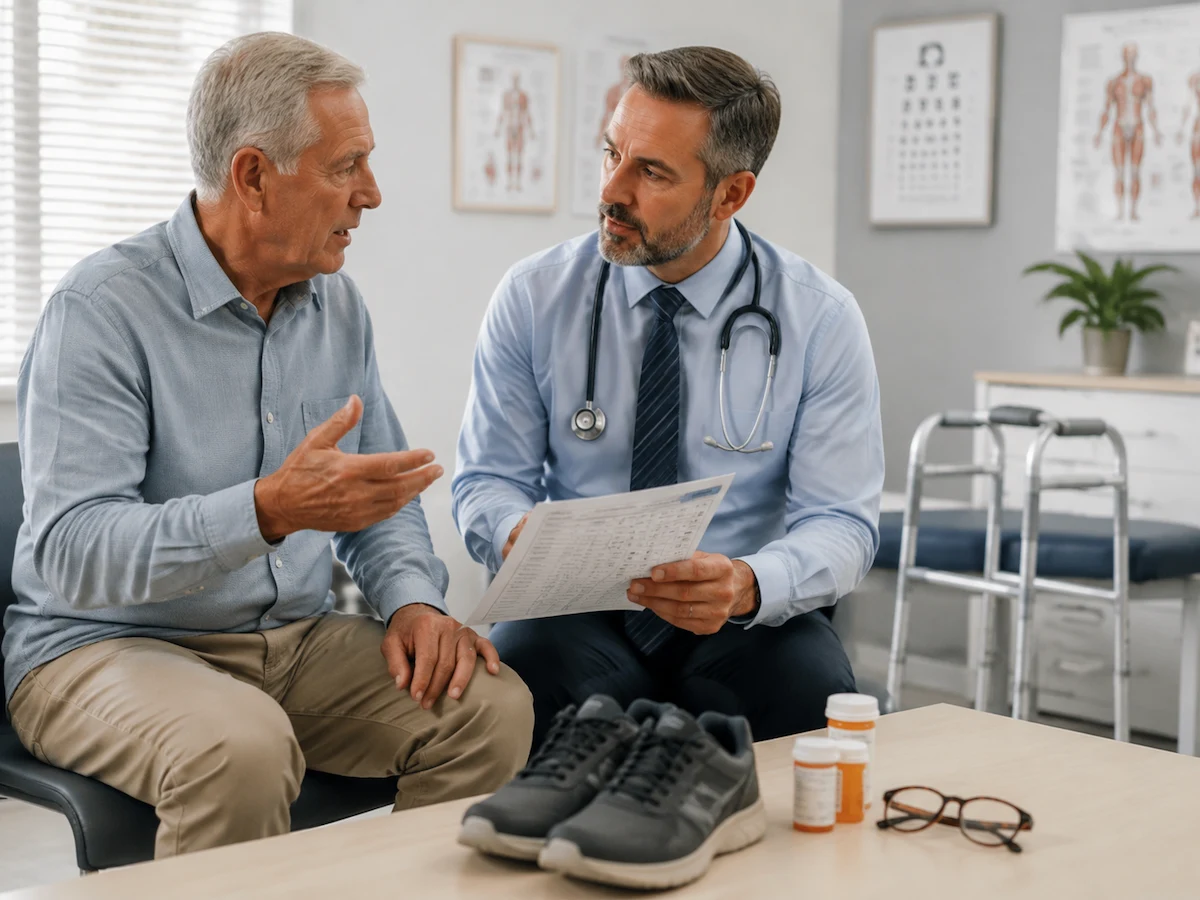
Fall prevention starts with two things: knowing your risk factors and spotting the hazards hiding in your home. With that in mind, we’ll start with the reasons older adults fall in the first place.
Common Fall Risk Factors in Older Adults
Falls don’t usually happen for just one reason. More often than not, it’s a combination of physical changes, health conditions, and everyday surroundings. These are the fall risk factors to watch for:
- Age-Related Muscle Loss: After age 30, we lose about 3–8% of muscle strength every decade. That’s a lot of leg power gone by the time you’re 70, and weaker legs make it much harder to catch yourself after a stumble.
- Poor Balance: Even a slight loss of balance can cause you to lose your footing. For older people, this is one of the most reliable early indicators of fall risk.
- Previous Falls: If you’ve fallen before, let your GP know as soon as possible. Falls are the leading cause of injury-related hospitalisation in Australia, and people aged 65 and over are hospitalised for falls 12 times more often than adults aged 25 to 44. Your GP can check for underlying causes and recommend ways to reduce your risk of another fall.
- Blood Pressure Drops: Standing up too fast can cause sudden dizziness and lightheadedness. Doctors call this orthostatic hypotension, and it’s common among older Australians on blood pressure or heart medications.
- Medications: The more prescriptions you’re managing at once, the greater the risk of a fall. For instance, sedatives, antidepressants, and certain blood pressure drugs can all slow your reflexes or make you drowsy.
- Vision Problems: Conditions like cataracts, glaucoma, and macular degeneration affect different parts of your vision and are especially common after age 60. That can make it harder to spot hazards, even in places you know well.
- Hearing Loss: Your ears also play a part in spatial awareness and balance, so reduced hearing can affect how steady you feel on your feet.
- Cognitive Impairment: Dementia and Alzheimer’s slow down both reaction time and judgement. Unfamiliar settings make this worse, as the brain struggles to process new surroundings quickly enough.
- Chronic Health Conditions: Finally, long-term health conditions can affect your balance in different ways. For example, arthritis limits joint movement, diabetes can cause nerve damage in the feet, and heart disease drains stamina. Together or alone, these conditions all make it harder to stay steady on your feet.
If more than one of these applies to you, your GP can help identify what’s increasing your fall risk and how to manage it.
The Home Hazards That Cause the Most Falls
Your home is supposed to be your safe space. But for older people, familiar rooms can hide some serious trip hazards. According to the AIHW, falls account for more injury-related hospitalisations among older Australians than any other cause, and around half happen at home.
A simple room-by-room walkthrough can help you catch problems before they cause a fall.
Bedroom
Getting out of bed in a rush, especially at night, is a common trigger for falls. That risk becomes even higher if there’s a loose rug beside the bed, as it can slip under your feet. On top of that, poor lighting makes it harder to see where you’re stepping. To reduce the risk, add a bedside lamp with a touch switch or a motion-sensor night light.
Bathroom
Wet tiles and smooth surfaces make the bathroom one of the riskiest places to fall. But you can add grab bars beside the shower and toilet to have something solid to hold onto. A non-slip mat inside the tub or shower base adds another layer of safety. Raised toilet seats can also help if sitting down or standing up feels unsteady.
Kitchen
Reaching into high cupboards can throw off your balance by shifting your centre of gravity. So keep everyday items on lower shelves or in easy-to-reach drawers to reduce the need to stretch or climb. While you’re in the kitchen, keep an eye out for cooking spills and freshly mopped floors, as both can quickly become slipping hazards.
Hallways
Tuck electrical cords behind furniture or tape them flat against the wall to keep walkways clear. Then remove clutter and improve lighting (especially if you walk through the hallway at night). A couple of plug-in night lights can help you see hazards before you reach them.
Outdoor Areas
Don’t overlook outdoor areas when checking for fall hazards. Trim back overgrown garden edges and keep pathways level to reduce trip hazards. After rain, wait for wet paths to dry or choose a drier route whenever possible.
And always use handrails on steps and ramps when they’re available for added support.
Don’t Ignore Near Falls in Older People
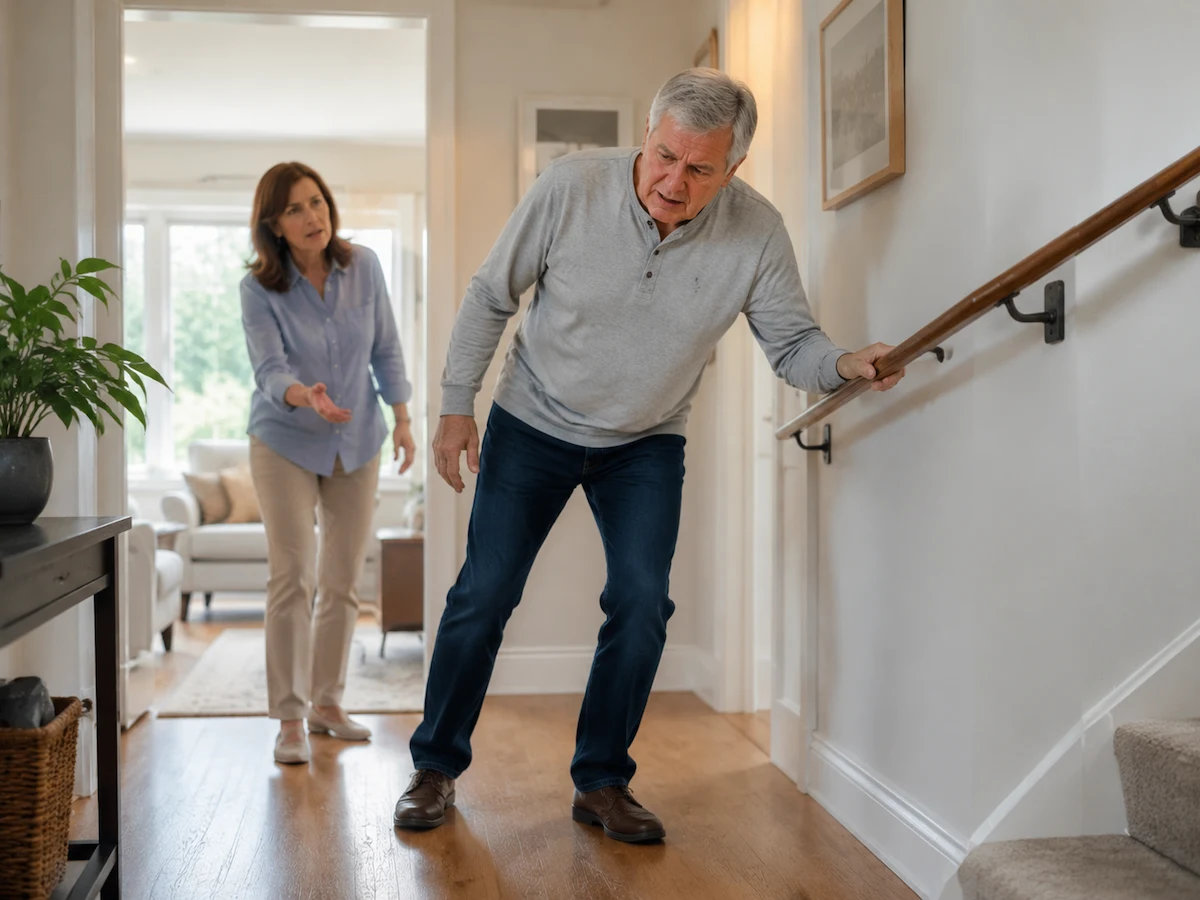
A near fall might not seem like a big deal, but it can be an early warning sign that your risk of falling is increasing. In fact, a 2025 systematic review published in Age and Ageing found that concern about falling independently predicts future falls and serious injury in older adults.
So if you’ve been grabbing walls or stumbling without quite hitting the ground, take these near falls seriously. These moments are your body telling you that your balance, strength, or surroundings need attention.
Talk to your GP or another health professional, who can identify the cause and recommend ways to reduce your risk before a serious fall happens.
Create a Personalised Fall Prevention Plan
You don’t need a complicated setup to stay safe. A few simple tips, done consistently, can go a long way. Here’s a practical fall prevention plan checklist to get started:
- Monthly Home Safety Check: Set aside a few minutes each month to walk through your home and look for anything that could increase your risk of falling. Loose rugs can shift out of place, light bulbs can burn out, and clutter can gradually block walkways.
- Annual Vision Check: Eye conditions like glaucoma and macular degeneration often develop without obvious symptoms. That’s why an annual exam is worth booking, even if your sight feels perfectly fine right now.
- Medication Review With Your GP: As we mentioned earlier, even one new prescription can affect your balance, reflexes, or blood pressure. So ask your doctor to go over everything you’re taking at least once a year to keep your fall risk in check.
- Emergency Contact Plan: Keep a list of emergency numbers somewhere easy to spot, like on the fridge or near the phone. If you live alone, a medical alert device can connect you with emergency assistance at the press of a button.
- Footwear Check: Worn-out soles and loose slippers are a fall waiting to happen. Look for well-fitted, non-slip shoes with a firm grip and proper ankle support instead.
Prevention works best when it fits your life. So, don’t wait and talk to your doctor or an occupational therapist about building a plan around your daily routine.
Fall Prevention Strategies That Help Older Adults Stay Safe and Independent
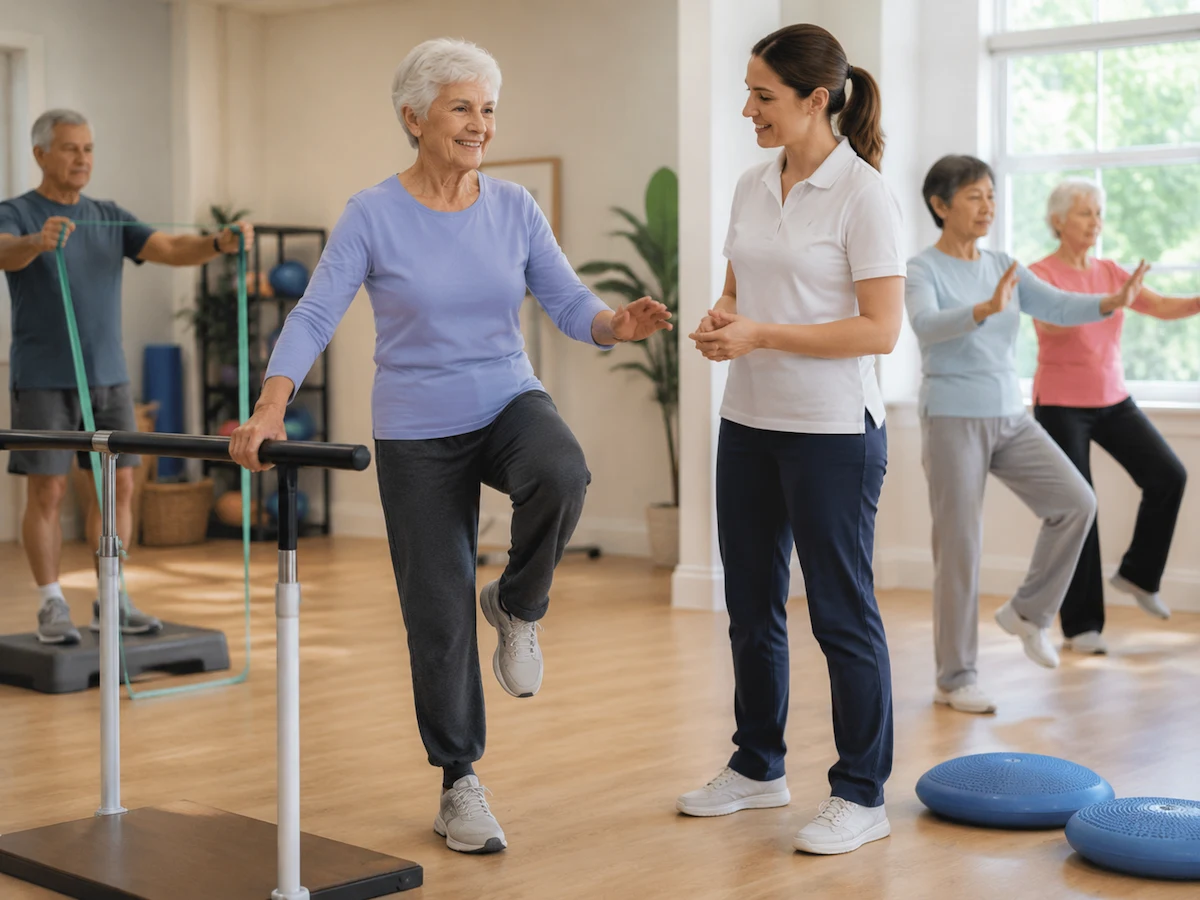
The best fall prevention strategies combine regular physical activity, safer daily habits, and the right professional support. When these work together, they reduce falls and help older adults hold onto their independence for longer.
So let’s break down what actually works.
Improve Balance and Muscle Strength
Balance and strength exercises are one of the most effective ways to reduce falls in older people.
A systematic review of 24 trials found that tai chi alone can effectively lower fall risk. Moreover, the Otago Exercise Programme reduced falls by 35% in high-risk older persons. It’s a home-based set of 17 strength exercises designed in New Zealand.
The good news is that you only need to be consistent to get the benefits. You can join group exercise programs that focus on leg strength, balance exercises, and resistance training to build stability over time. Even 30 minutes of physical activity three times a week can strengthen your muscles enough to lower your risk of falling.
Remember, staying active doesn’t mean you need a gym membership. A daily walk around the block, a gentle swim, or even gardening all count as muscle-building activity. The important thing is to keep it regular.
Everyday Habits That Reduce Fall Risk
Sometimes the smallest changes make a major impact on your risk of falling.
For starters, slowly rise from a chair or bed to let your blood pressure have time to adjust. As we mentioned before, standing up too quickly can leave you feeling dizzy and unsteady (and increase your risk of falling). Dehydration also affects balance, so keep water close by throughout the day. Even mild dehydration can cause lightheadedness, especially in warmer weather.
Next, swap out any loose slippers for supportive, non-slip shoes with a firm sole and a proper heel grip. And if you use a walking aid, double-check that it’s the right height and that you’re holding it correctly. A poorly adjusted aid can cause more harm than good.
Pro tip: Try to keep everyday items like your phone, glasses, and medications on surfaces you can reach without stretching or bending. That one habit alone will remove a surprising number of fall risks from your routine.
When Health Professionals Can Help
Fall prevention sometimes needs more than what you can do on your own.
Your GP or general practitioner is usually the best place to start. They can screen for underlying conditions like low blood pressure or inner ear problems.
Then they’ll arrange a medication review and check your vitamin D levels. In case you didn’t know, low vitamin D has been linked to weaker muscles and poor balance in older adults, especially those who spend limited time outdoors.
From there, a physical therapist can assess your walking pattern, identify weak points in your balance, and build a personalised exercise program around your ability level.
An occupational therapist takes a different angle. They focus on your home setup and daily living habits to find risks you might not notice yourself (like a bathroom layout that forces awkward movements).
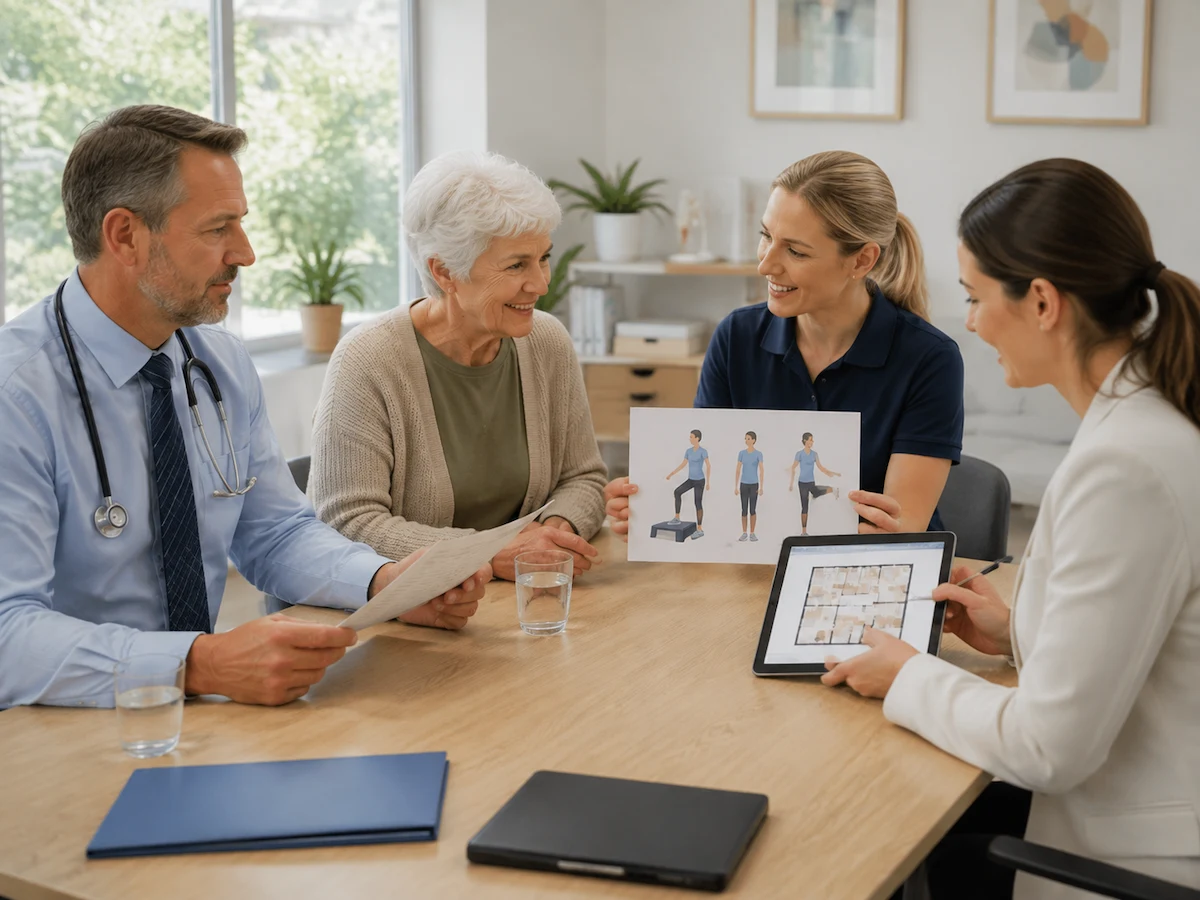
Generally, the best results for preventing future falls often come from a team approach involving multiple health professionals. Your GP can coordinate your care and refer you to the right specialists based on your individual risk factors. Each brings a different perspective to identify and manage risk factors that one person alone might miss.
Assistive Devices That Support Safer Mobility
You don’t have to do everything on your own. The right assistive devices can take pressure off your daily routine and lower the chance of injury. Below are some worth looking into:
- Walking Stick or Walker: These give you extra stability on uneven ground or during longer outings. A physical therapist can help you find the right type and fit, since the wrong height can throw off your posture and instead increase fall risk.
- Grab Rails: Fitted beside the toilet, shower, and at doorways, grab bars offer something solid to hold onto when your balance feels off. In wet areas, stainless steel rails with a textured grip tend to last longest.
- Personal Alarms: A wearable personal alarm can help you get assistance quickly after a fall (especially if you live alone). Some models even detect falls automatically and alert emergency contacts without you needing to press anything.
- Non-Slip Mats: Place them in the shower, bathtub, and kitchen to cut down on slipping, especially on wet tiles. Look for mats with suction cups on the underside so they stay firmly in place.
For older people at high risk of hip fractures, hip protectors may also be worth discussing with your doctor. These are padded undergarments that absorb impact during a sideways fall.
Research also shows they can reduce hip fracture rates in residential aged care settings (though the evidence for people living at home is less clear).
Supporting a Loved One Without Taking Away Independence
If you’re a friend or family member caring for an older person, this can be the most challenging part. You want them safe, but nobody enjoys feeling like their freedom is being taken away.
Start with a calm, open conversation. Ask what they’re finding harder lately, rather than pointing out what they’re doing wrong. Listening first builds trust and makes the rest of the conversation much easier.
As you discuss possible changes, focus on small, practical suggestions rather than major changes all at once. For example, suggesting a grab rail often feels more supportive than telling someone they can no longer shower alone. This approach also gives them a greater sense of control.
Even the Australian Commission on Safety and Quality in Health Care (ACSQHC) recommends involving older people living at home in decisions about their own care. That way, they can maintain their independence while ensuring the strategies reflect their needs and preferences.
When extra help is needed, community care services can provide practical help at home, such as meal delivery, physiotherapy, home visits, and cleaning. If their needs change over time, you can also explore residential aged care together.
The goal is to increase support while helping your loved one stay as independent as possible.
Small Changes Today Can Prevent Future Falls
Don’t make falls a normal part of ageing. With a few simple steps, regular balance work, and a safer home setup, older Australians can reduce falls and avoid serious injury.
You don’t need to do everything at once, either. Even one small change, like fitting a grab rail or taking a short daily walk, can lower your risk over time. At the end of the day, fall prevention helps older adults stay active, confident, and comfortable at home for longer.
If you’d like more advice on staying safe and independent, visit Oz Continence. We’re here to help older people across Australia protect their health and wellbeing.
Frequently Asked Questions About Fall Prevention
Here are answers to some of the questions older people and their families ask most often about fall prevention. If something here applies to you or someone you care about, it’s worth bringing up with your GP at the next visit.
What Is the Most Effective Fall Prevention Strategy for Older Adults?
No single strategy works on its own. The Australian Commission on Safety and Quality in Health Care recommends combining exercise programs, home safety changes, and regular health checks as a good practice point.
Based on expert opinion and current research, tai chi and the Otago Exercise Programme are among the top choices for active older adults looking to reduce falls.
Do Hip Protectors Really Help Prevent Serious Injuries?
It depends on the situation. Hip protectors can reduce hip fractures in residential aged care settings. However, the evidence for older people living at home is weaker. A serious injury like a hip fracture can lead to an emergency department visit and a long hospital stay. So when the risk is high, prevention is always the better option.
Can Cognitive Impairment Increase the Risk of Falls?
Yes, and by quite a lot. Studies show older adults with dementia fall two to three times more often than those without cognitive impairment.
With increasing age, even mild age-related memory changes can slow down judgement and reaction time. That raises fall risk in ways that aren’t always obvious. Many falls in this group go unreported, and the fear of falling often builds alongside the physical risk of falling.
What Community Care Services Are Available to Help Prevent Falls?
Community care services vary by region, but most include home assessments, physical therapy, and access to assistive devices. An occupational therapist can check your home for hazards and suggest changes. Some programs also offer vitamin D screening and group balance classes.
You can find local options through the Centers for Disease Control and Prevention‘s fall prevention resources or your state health department.
