
A good fecal incontinence product combines strong absorbency, skin protection, odour control, and a secure, discreet fit. But finding one option that satisfies all four conditions isn’t simple. In fact, most people spend months trialling the wrong options before getting the right one.
That’s a concern we hear about regularly at Oz Continence. And Australians managing bowel incontinence deserve straight, honest guidance on what actually helps. Not another list of aids with little explanation behind them.
In this article, you’ll learn:
- What separates a good incontinence product from a poor one
- Which product types suit different needs
- What your other treatment options look like
Let’s get started.
Fecal Incontinence: What It Is and Why the Right Product Counts
Faecal incontinence, the loss of bowel control that causes stool to pass unexpectedly, affects many Australians daily. So choosing the right continence aid isn’t really an option.
Faecal incontinence generally happens when the muscles around the rectum and anal sphincter weaken or get damaged. This can happen after giving birth, nerve damage, or health conditions like Crohn’s disease, multiple sclerosis, and ulcerative colitis. In fact, around 1 in 30 Australians live with bowel incontinence symptoms at some point in their lives.
We understand how isolating this feels when you are facing fecal incontinence. So many people silently manage their episodes alone, unsure where to start or what products to use. Sometimes, they even end up choosing the wrong options, which lead to skin breakdown and persistent discomfort.
The 4 Things Every Good Incontinence Product Must Do
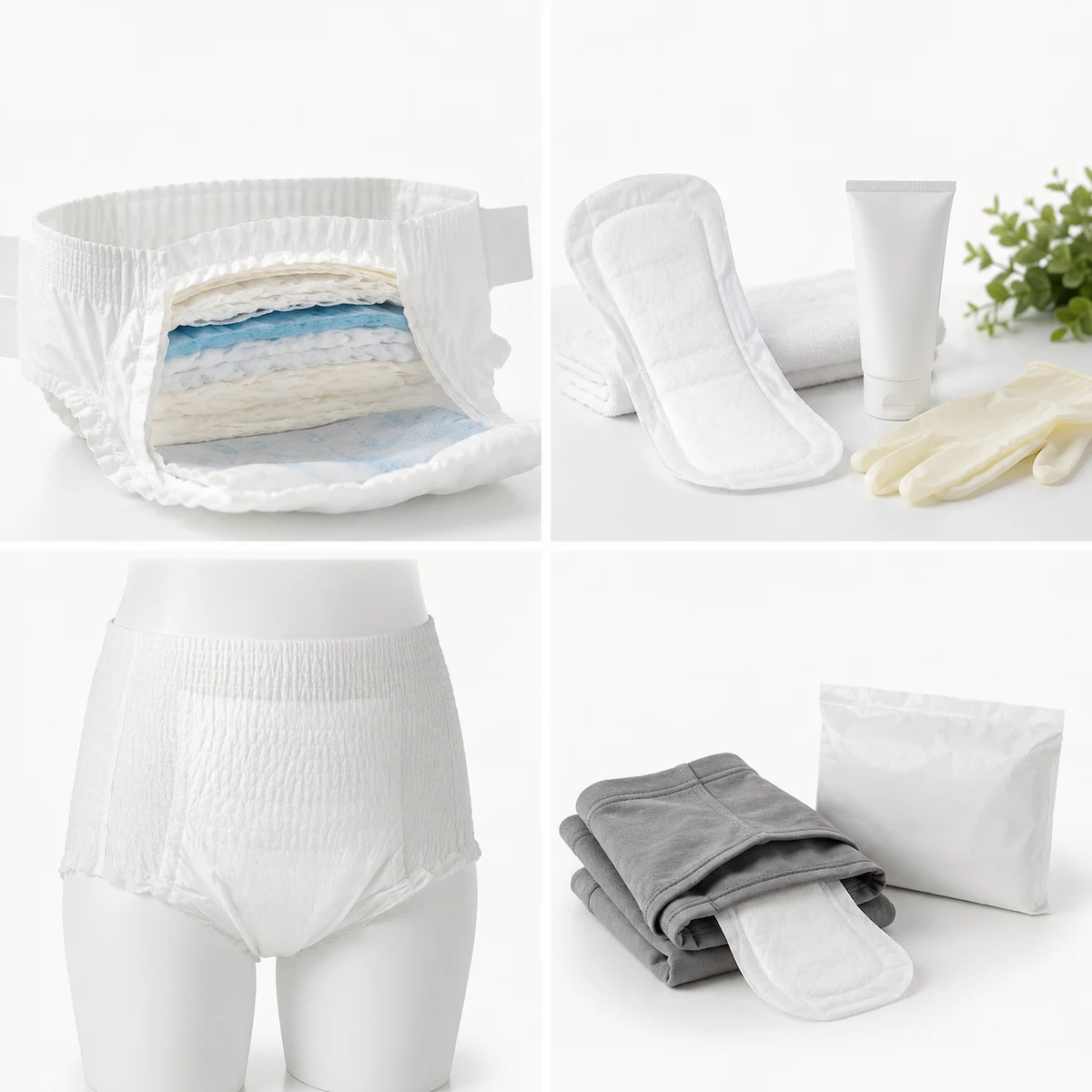
While strong absorbency is indeed the first thing you should look for, it’s not the only thing. The best products for fecal incontinence must cover four separate areas, and a gap in any one of them will affect how well the solution holds up for you.
Here are the four features worth checking before you commit to any product:
- Absorbency Level: Not all incontinence items handle bowel leakage the same way. You need a product specifically for faecal accidents rather than just light bladder leaks. Otherwise, it won’t be able to solve your problem.
- Skin Protection: Repeated exposure to moisture breaks skin down quickly. In this case, a good product limits direct contact with the outer surface and reduces the risk of anal discomfort and irritation during wear.
- Secure Fit: A pad won’t prevent leakage if it shifts during movement. That’s why you should look for a fit that stays in place in any condition, like sitting, walking, or sleeping.
- Discretion: Thin profile, silent materials, and neutral packaging all affect whether you will actually reach for a certain option. As epidermis health and confidence go together, a discreet product supports both.
Use these four features as a checklist when comparing products. An aid that performs well across all of them is more likely to provide reliable day-to-day protection.
Absorbent Pads: Are They Still the Best Starting Point?
Yes, absorbent pads remain the most accessible and widely recommended starting point for managing fecal accidents. They’re easy to find, simple to use, and come in enough variety to suit different levels of bowel incontinence.
Below, we’ll explain how they work and how to pick the right one for your situation.
How Absorbent Pads Work for Bowel Leakage
Fecal-specific pads pull moisture away from the skin surface and lock it into an absorbent core, while a built-in odour barrier neutralises smell at the source. The reinforced backing then stops any leakage from reaching your clothing underneath.
However, not all pads are built to provide that level of protection. For example, standard urinary pads can’t contain solid or liquid stool. They lack the odour barriers and reinforced backing that faecal-specific pads have.
When comparing products, check that they’re designed specifically for faecal incontinence rather than bladder leakage. Look for strong absorbency, an odour-control layer, and a reinforced backing to help keep you comfortable and protected throughout the day.
Choosing the Right Pad Level for Your Needs
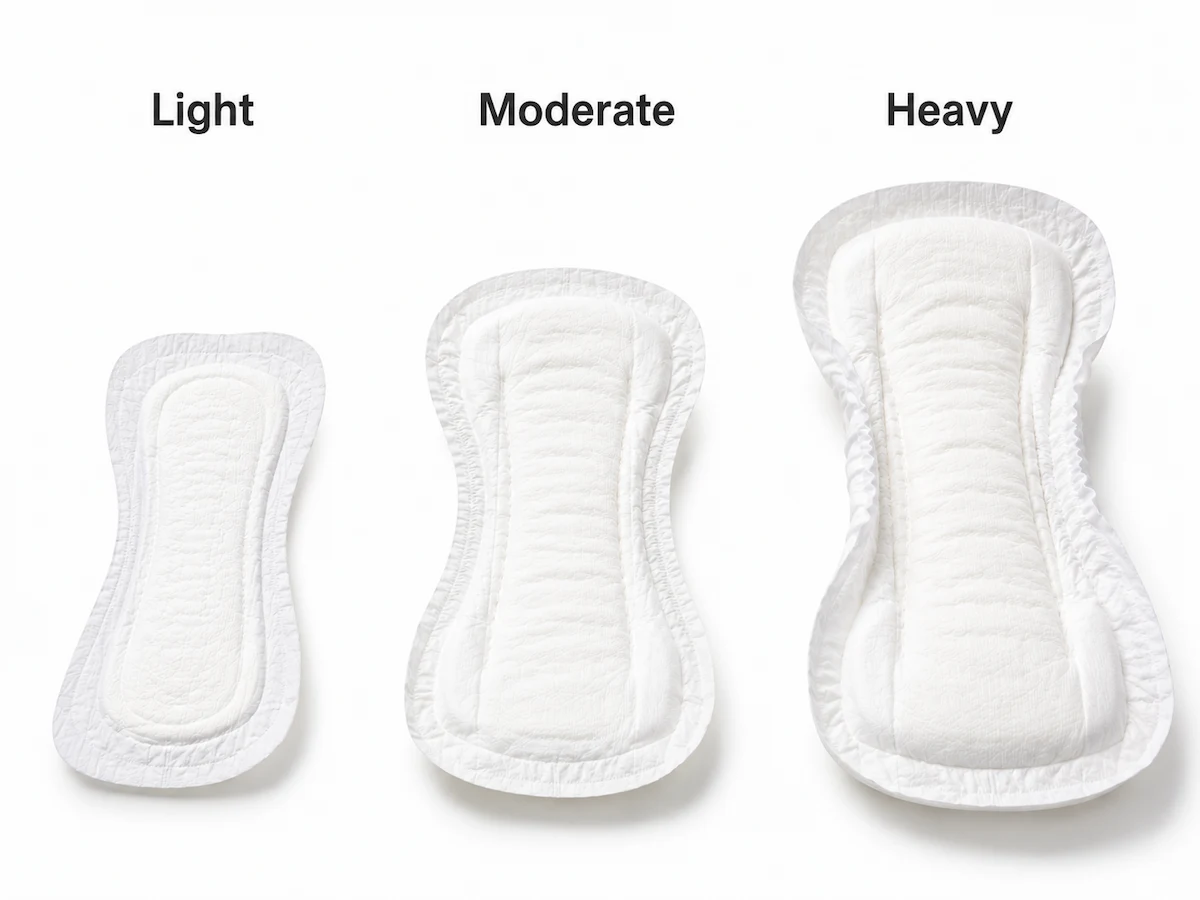
Absorbency level is one of the most important factors when choosing a pad because it determines how well the solution matches your needs. These pads usually come in three levels, each suited to a different pattern of bowel movements and daily activity.
Take a look at the levels below:
|
Level |
Best For |
Typical Use |
|
Light |
Minor faecal leakage, occasional accidents |
Daily wear, active routines |
|
Moderate |
Irregular bowel function, unpredictable leakage |
Mixed activity levels |
|
Heavy |
Frequent incontinence, loose or liquid stool |
Home-based or overnight use |
Pro Tip: Start at the moderate level if you’re not sure what your absorbency level is. You can adjust from there based on how well the pad handles your bowel control needs over the first few weeks of use.
Bowel Problems and Incontinence: What Most People Don’t Realise
Bowel incontinence usually doesn’t develop in isolation. In most cases, an underlying bowel problem is either driving the symptoms or making them significantly worse.
So, getting your bowel function back on track is just as important as finding the right product. Have a look at the most common problems that directly worsen fecal incontinence:
- Chronic constipation causing stool to leak around blockages
- Loose or watery diarrhea that’s harder to control, where products made for diarrhoea hold up better
- Irregular bowel movements with no predictable pattern
- Straining during toilet visits weakening rectal muscles
- Certain foods and diet causing sudden urgent episodes
- Liquid stool caused by artificial sweeteners or dairy
- Damage to the rectum from previous surgery or injury
- Ongoing symptoms from conditions like Crohn’s disease
Once you know which of these applies to you, both your product choice and your treatment direction become much clearer.
Bowel Management Products You Should Know About
When facing fecal incontinence, most people first reach for absorbent pads because they’re easy to find and simple enough to use.
But from what we’ve seen working with Australians managing bowel problems day to day, pads alone rarely cover everything. Good bowel management needs layering a few different item types together.
With that in mind, here are two more product types that belong in your daily routine.
Skin Barriers and Protective Creams
Faeces contain enzymes, like proteases and lipases, that can quickly degrade the skin barrier. Repeated exposure to moisture and friction around the anal area also wears the outer layer. As a result, you get affected with incontinence-associated dermatitis, a condition where the epidermis becomes raw, inflamed, and painful.
Moisture-barrier creams and zinc-based barrier films are the two most practical options here. They create a protective layer between the tissue and any leakage by reducing direct contact with faeces and give the surface a chance to recover.
Beyond those, no-rinse products also work well for people who need to clean the anal area frequently without causing further irritation.
Quick Tip: Apply a barrier cream after each clean or pad change, then reapply it as needed throughout the day. This helps maintain a protective layer between your skin and any further leakage.
Odour Control and Discretion Features
Many people worry less about leakage itself than about someone noticing an odour or seeing a bulky product under their clothing. That’s why manufacturers now offer incontinence aids with quieter materials, slimmer designs, and improved odour-control technology.
Check the following features when you are buying incontinence aids:
- Odour Neutralising Technology: Modern incontinence items use odour-neutralising layers attached directly into the pad lining. In addition, fecal deodorants are a separate option worth keeping on hand for added coverage in social settings.
- Quiet, Soft Materials: Rustling or stiff materials draw attention in silent environments. In comparison, bowel control products built with soft, flexible layers stay discreet at work, while shopping, and in waiting rooms.
- Anal Plugs: These sit inside the anus to prevent accidents before it even starts. Some people find them useful for short, predictable outings where changing a pad isn’t practical.
There’s no single product that suits every situation. Matching your incontinence aid to your daily plans, activity level, and expected wear time usually provides better comfort and confidence.
Pelvic Floor and Bowel Training: Can They Help Alongside Products?
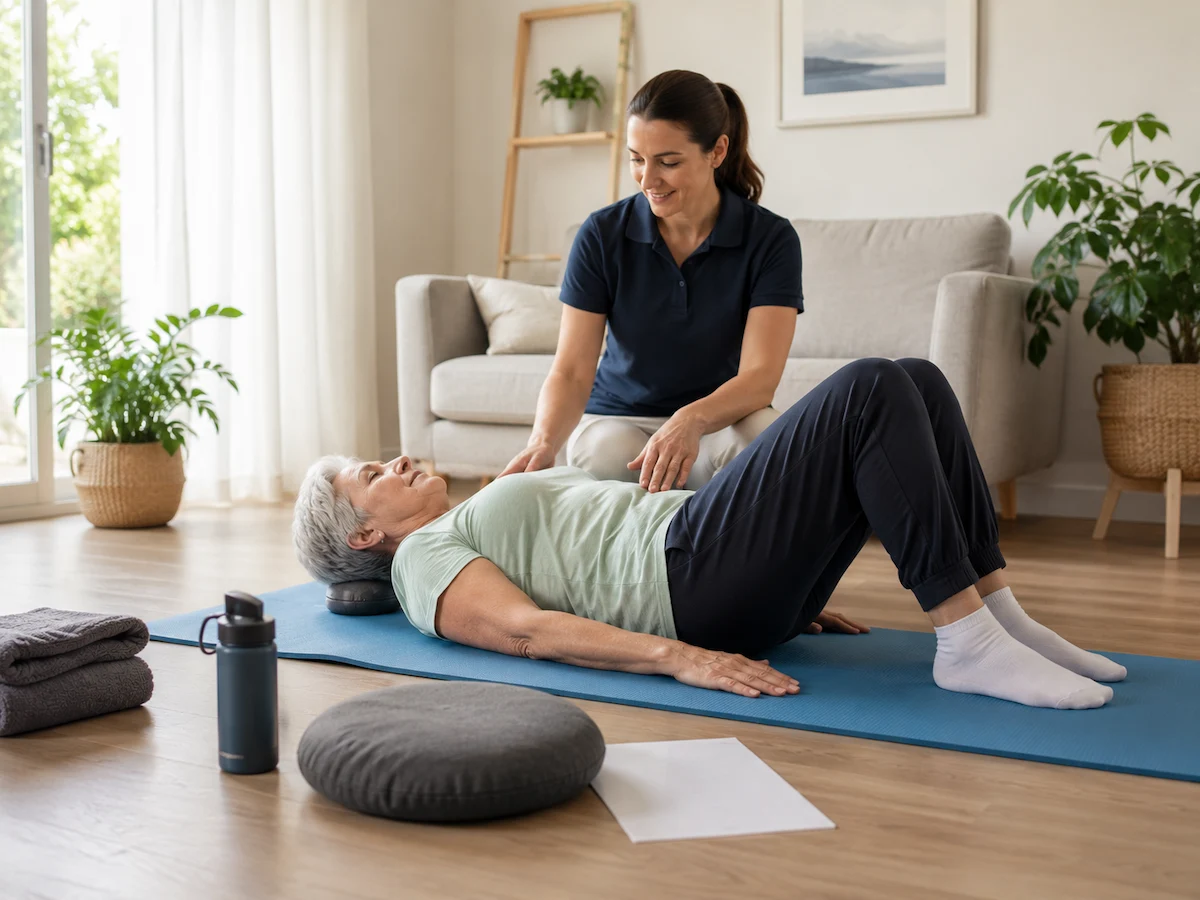
Yes, both pelvic floor exercises and bowel training can reduce accidents when used alongside the right continence aid. Although they won’t replace a good absorbent pad or barrier cream, they do give you more control over what your body does and when.
In the human body, pelvic floor muscles wrap around the anus and rectum, which helps hold stool in until you’re ready to use the toilet. When these muscles weaken, maintaining constant control becomes much harder.
Most continence nurses recommend trying Kegel exercises to strengthen those muscles over time. No need to push yourself, though. Just start with a few sets a day.
Bowel training works alongside those exercises to help you build regular bowel movements at predictable times. The goal here is to sit on the toilet at the same time each day, usually after a meal, to encourage your bowel function to follow a pattern. Responding promptly to a strong urge rather than holding it in also retrains bowel control over time.
Worth Knowing: these approaches take weeks to show results (not just a few days). That’s why you should keep using reliable incontinence products while you work through pelvic floor and bowel training.
Nonabsorbable Bulking Agents and Other Treatments to Know
Most people only hear about nonabsorbable bulking agents and surgical options after trying everything else. But more often than not, learning about them from the start can put you in a stronger position to have the right conversation with your doctor.
Beyond absorbent products and skin care, these are the clinical options your General Practitioner (GP) may bring up:
- Nonabsorbable Bulking Agents: These are injected into the tissue around the anus to bulk it up and improve closure (caution! not something you’d try at home). They work best for people whose anal sphincter hasn’t been severely damaged.
- Diet Change and Fibre Supplements: What you eat directly affects how your bowel behaves. With a food diary, you can avoid certain foods that worsen symptoms, like spicy foods, dairy products, and artificial sweeteners. You can also eat enough fibre and drink enough fluids to encourage solid stool and reduce diarrhea and constipation.
- Recommended Medicines and Laxatives: A health care professional may recommend medicines to firm up liquid stool or manage constipation. For instance, laxatives help when irregular bowel movements cause stool to back up and leak around blockages.
- Sacral Nerve Stimulation: This treatment sends mild electrical pulses to the sacral nerves, which control the bowel and anus. But it requires a minor surgical procedure to implant a small device under the skin. Specifically, it works well for people who haven’t responded to simpler approaches.
- Artificial Anal Sphincter and Surgery: An artificial anal sphincter replaces a damaged sphincter with an inflatable cuff around the anus. Doctors recommend this surgery when severe pain and persistent leakage stop someone from living a normal life.
Not every option above will apply to your situation, and that’s fine. Your GP or continence nurse can help you work out which treatments you should take based on your symptoms and health history.
Matching Products to Your Symptoms: A Quick-Reference Guide
Fecal incontinence looks different for everyone, as well as the product that works best for it. Some people deal with occasional minor accidents while others face frequent, unpredictable accidents. Either way, the right solution needs to match your specific pattern.
The table below maps common symptom patterns to the most suitable aid types:
|
Symptom Pattern |
Recommended Product |
Supporting Addition |
|
Occasional minor leakage |
Light absorbent pads |
Fecal deodorant for odour control |
|
Frequent loose or liquid stool |
Heavy absorbency disposable underwear |
Moisture barrier cream for anal discomfort |
|
Unpredictable bowel movements |
Moderate absorbent pads or pull-up underwear |
Bowel training routine alongside products |
|
Active lifestyle with bowel problems |
Slim disposable underwear |
Pelvic floor exercises for added muscle control |
|
Severe or persistent incontinence |
Heavy incontinence products plus skin barrier |
Healthcare professional review recommended |
|
Post-surgery or treatment recovery |
Disposable underwear with soft lining |
No rinse cleansing products for skin care |
Remember, good bowel management isn’t about finding one perfect option. You have to find a solution that matches how your symptoms actually behave.
What’s more, when your pattern shifts, your product choice should shift with it. And if nothing in this table feels like a clear fit, that’s a good sign to speak with a continence nurse directly.
How to Pick the Best Products for Fecal Incontinence for Your Situation
The right continence aid depends on your lifestyle, skin needs, and the severity of your symptoms. As you might’ve seen already, what works well for someone managing mild leakage at home won’t necessarily suit someone else with an active routine outside the house.
You should think about three angles before you decide:
Active Lifestyle vs. Home-Based Needs
Based on what people with bowel incontinence consistently report, active users and home-based users need very different things from a product. So a pad that works perfectly at home can shift, leak, or feel bulky the moment you’re moving around outside.
A quick comparison to help you identify where your priorities should sit:
|
User Type |
Top Priority |
Best Product Type |
|
Active lifestyle |
Slim, secure fit, discreet under clothing |
Disposable underwear with flexible layers |
|
Home-based |
Maximum absorbency, extended skin comfort |
Heavy absorbency pads or pull-up underwear |
|
Mixed routine |
Balance of security and comfort |
Moderate absorbency disposable underwear |
Quick Tip: Use your daily routine as the starting point when comparing products. That narrows your options and makes it easier to find one that suits your needs.
Now, skin sensitivity deserves just as much attention when comparing incontinence products.
Skin Sensitivity and Comfort Priorities
Skin sensitivity is one of the most commonly overlooked factors when trialling new incontinence aids. That’s because most people compare absorbency, fit, and price before they think about how a product will affect their skin.
Fragrance-free and hypoallergenic products are the safest starting point for anyone with sensitive skin around the anal area. By contrast, fragrances and dyes can irritate sensitive tissue, and that irritation is often mistaken for a poor fit.
The inner lining and outer layer also affect skin health during wear, mostly due to their absorption levels. Breathable materials help reduce that moisture build-up, which lowers the risk of skin breakdown during prolonged use.
When to Ask a Healthcare Professional
Seek professional help when existing options stop working well or when standard barrier creams don’t improve anal discomfort.
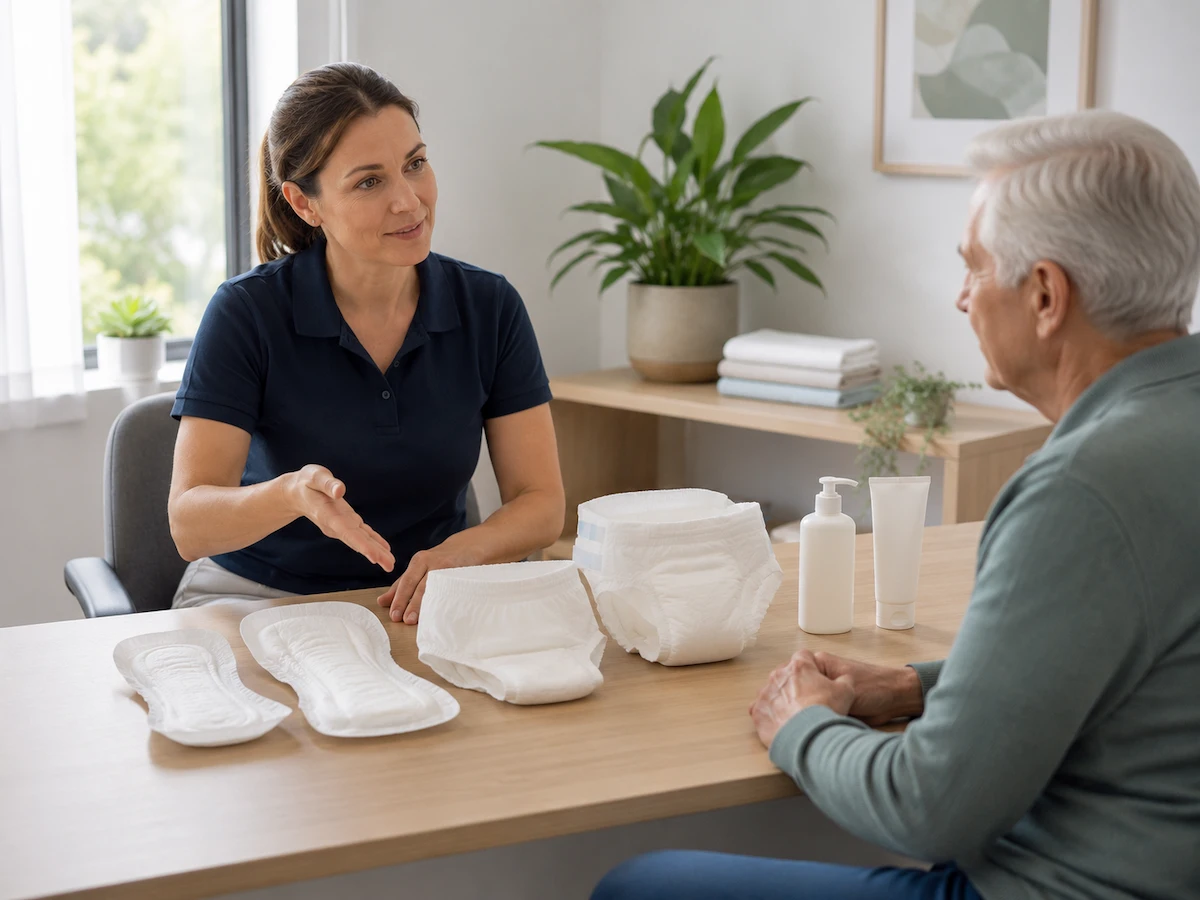
Sometimes it’s natural that you won’t be able to figure out a suitable option according to your condition alone (and there’s no shame in that). So a GP or continence nurse can properly assess your symptoms and recommend specific product types based on your bowel control issues. And that kind of guidance cuts through a lot of trial and error.
Suggestion: We’d encourage you to treat a visit to a health care professional as a normal, practical step in managing the condition. Don’t reach out to them as a last resort when things get difficult.
Your Next Step Towards Better Bowel Control
Living with fecal incontinence is genuinely challenging, but the right products and a clear plan make it far more manageable. We’ve already covered a lot of ground in this article, and that knowledge can help you choose options with confidence.
Here’s a quick recap of what to take away:
- Match your product to your symptom pattern rather than just your budget
- Start with absorbent pads and adjust absorbency level from there
- Add skin barrier creams early, before skin problems develop
- Talk to a GP or continence nurse if over-the-counter options aren’t holding up
The good news is you don’t have to work through this on your own. Oz Continence is here to help Australians navigate bowel incontinence with honest, practical guidance that actually reflects what people go through day to day.
Browse our resources, reach out with your questions, and take the next step towards feeling more confident and in control.
FAQs About Fecal Incontinence Products
Managing bowel incontinence comes with a lot of questions, and the answers aren’t always easy to find. Here are four of the most common ones we hear from people looking for practical guidance on incontinence products and treatment options.
1. Can I Use Regular Pads for Fecal Incontinence?
No. Regular pads are designed for bladder leakage instead of bowel incontinence. They don’t have the odour barriers or absorbent core needed to contain stool properly. Consequently, using them leads to leakage, skin irritation, and persistent smell.
So, fecal-specific pads or disposable underwear are the right starting point.
2. How Do I Manage Anal Discomfort Caused by Frequent Leaks?
You can apply moisture-based barrier creams to the anal area after each clean to relieve anal discomfort and protect the skin between changes. Plus, no-rinse cleansing products reduce friction during cleaning.
If discomfort persists despite these steps, consult a healthcare professional, who can check for incontinence-associated dermatitis or skin breakdown needing treatment.
3. Are There Discreet Options for People with Active Lifestyles?
Yes. Disposable underwear with slim, flexible layers sits discreetly under clothing without restricting movement. Fecal deodorants then add an extra layer of odour control in social settings. Together, these bowel control products make managing fecal incontinence during an active day simple.
4. What Is Bowel Training and Does It Work Alongside Products?
Bowel training is a structured routine where you sit on the toilet at set times each day to encourage regular bowel movements. It works best alongside absorbent pads and other incontinence products rather than replacing them.
After following these, most people see gradual improvement in bowel control over several weeks of consistent practice.
Please Note: The medicines, treatments, and clinical options mentioned in this article are for informational purposes only. Always consult a qualified healthcare professional before starting, stopping, or changing any medication or treatment plan. What works for one person may not be appropriate for another, and a GP or continence nurse is best placed to guide you based on your individual health history.
