
There are plenty of bladder incontinence products in the Australian market right now. People pick them up without much guidance, a bit like buying a lottery ticket and hoping for the best. Then the regret sets in when leaks keep happening, and the product fails to deliver.
And honestly, that happens to a lot of people. The problem usually comes down to one thing: not having clear information before choosing. Once you know what your body actually needs, picking the right product gets a whole lot easier.
Throughout this article, you’ll find a breakdown of product types, features, and what works for different needs. We’ll also share our thoughts along the way. Every suggestion here is based on Oz Continence‘s expert advice. So if you’re ready to take control, keep reading.
What Is Bladder Incontinence? A Plain-Language Breakdown
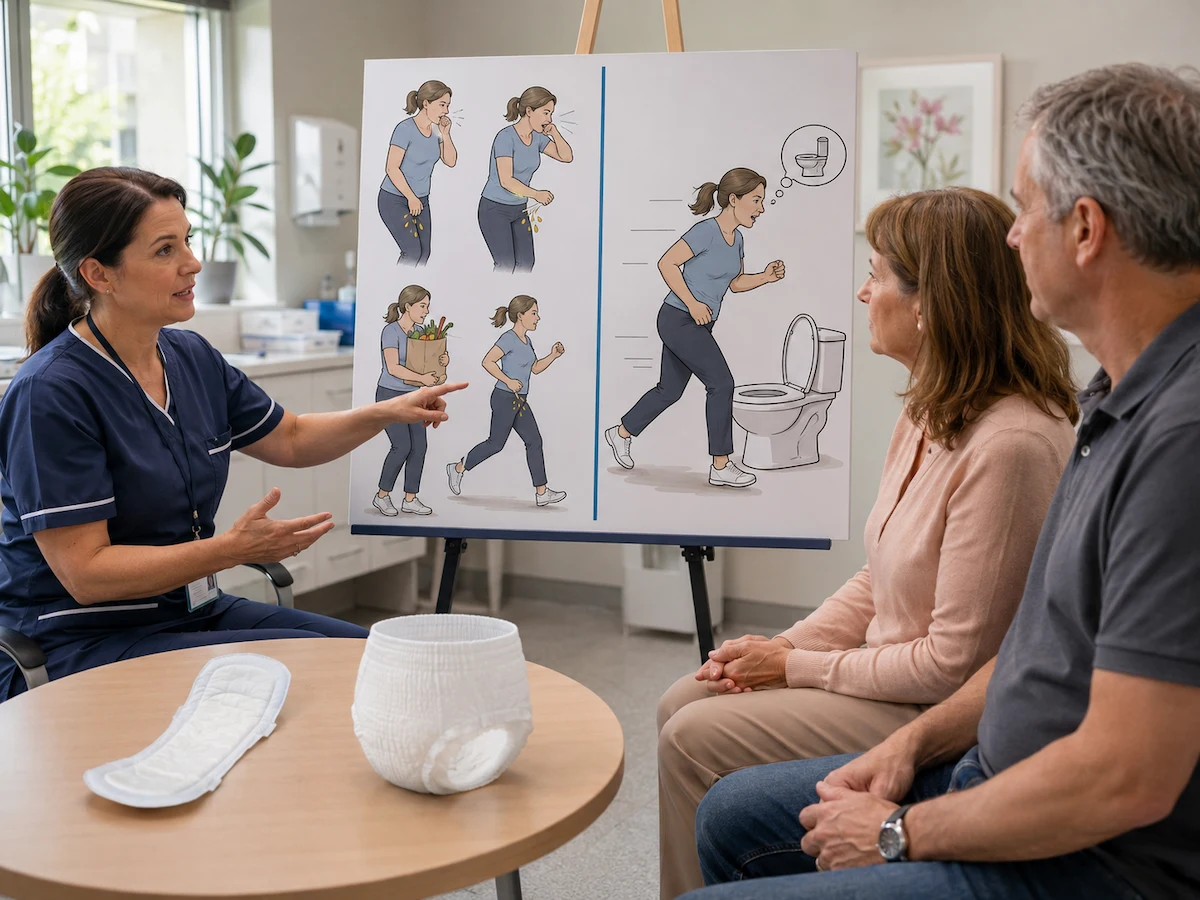
Urinary incontinence, commonly known as bladder incontinence, is the accidental leakage of urine you can’t control. It’s one of the most common continence issues in Australia, and it affects people across all age groups. Now the real science comes.
The bladder holds urine until the muscles around the urethra relax and allow it to pass. When those muscles weaken, or the bladder sends wrong signals, leaks happen without warning.
There are four main types to know about:
- Stress incontinence: Leaks occur during physical activity like coughing or lifting
- Urge incontinence: A sudden, strong need to go that’s hard to hold back
- Overflow incontinence: The bladder doesn’t empty fully, causing small leaks
- Functional incontinence: Mobility or health conditions make reaching the toilet difficult
These types can affect anyone, but certain factors increase the likelihood of developing them. Women experience symptoms more often than men, largely due to pregnancy, childbirth, and hormonal shifts.
Bowel issues can go hand in hand with bladder problems too. If leaks are becoming a regular pattern, talking to a doctor is a solid first step toward the right diagnosis and treatment.
Types of Bladder Incontinence Products: What’s Out There
Did you know 1 in 3 people in Australia over 15 years old experience incontinence? That’s more than 7.2 million people. So you’re definitely not alone in this, and there’s a solid range of incontinence products built around different needs. Here’s a look at what’s available.
Incontinence Pads and Absorbent Pads
Incontinence pads (also called absorbent pads) sit inside your regular underwear and absorb leaks fast. They come in a wide range of absorbency levels, from light liners that hold around 50–100ml. However, heavier absorbent pads manage up to 500ml for moderate leakage. That variety makes them easy to match to your daily needs.
One thing worth knowing: incontinence pads aren’t the same as period pads. They’re specifically designed to absorb urine and lock moisture away from the skin. Because of that, they’re often the first product people try for lighter symptoms.
Pull-Up Pants
Pull-up pants look and feel a lot like regular underwear. They slip on the same way, which makes them one of the more discreet options out there. Active people find them a reliable choice, offering solid protection without the bulk.
Think of someone heading out for an early morning walk along the Brisbane River, going about their day without a second thought. That’s the kind of everyday confidence pull-up pants can offer. They typically hold between 400–800ml, which makes them well suited for moderate to heavy leakage.
Incontinence Underwear
Incontinence underwear sits a step above standard pads in terms of absorbency. Many styles are reusable and washable, with some holding up to 50ml for lighter days and others managing 200ml or more for heavier flow. They’re also far less bulky than most people imagine before they try them.
In fact, a lot of wearers say incontinence underwear feels surprisingly close to regular underwear. They come in a range of styles and absorbency levels, so there’s room to find what fits your lifestyle. If you’ve been putting it off, they’re genuinely worth trying.
Stress Incontinence vs Overactive Bladder: What’s the Real Difference?
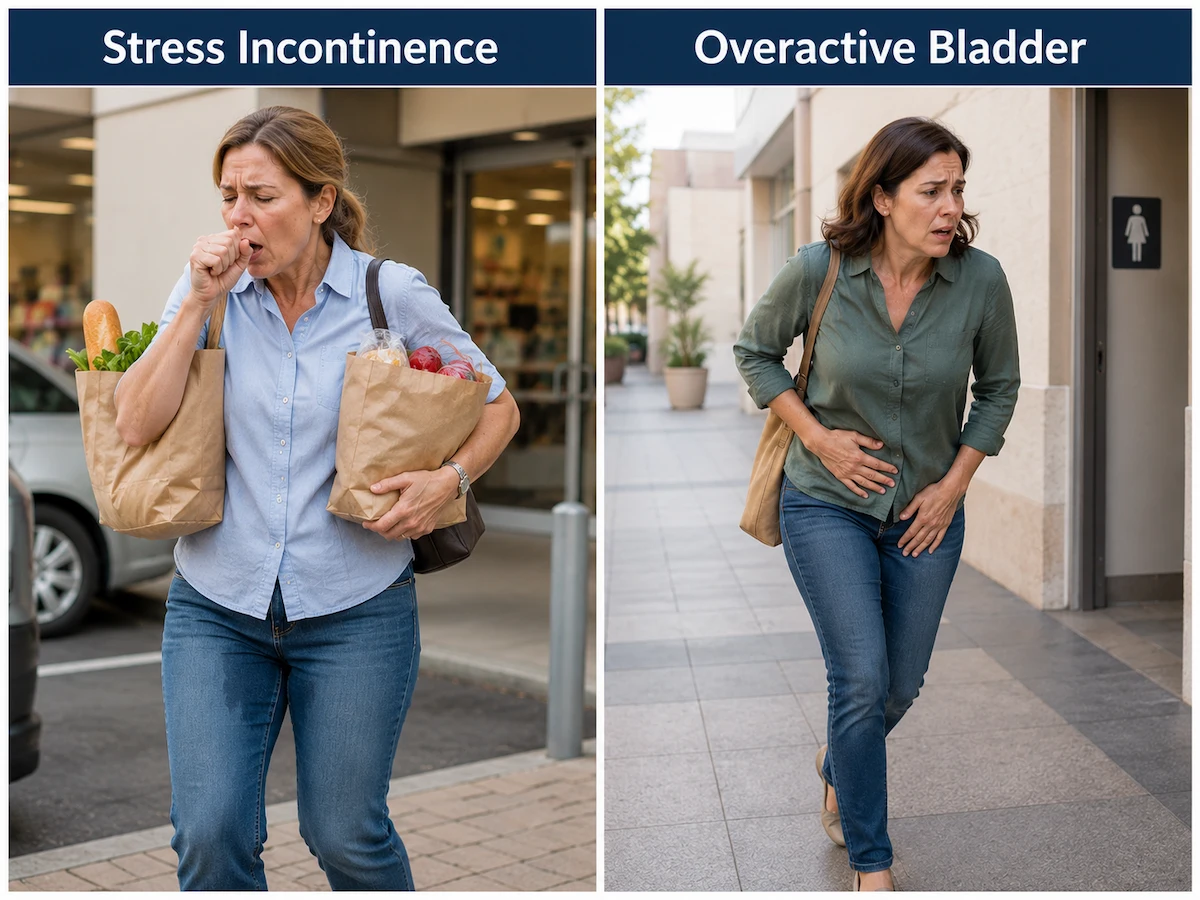
Stress incontinence and overactive bladder are two distinct conditions, and the products that suit one won’t always work for the other. Now, we’ll break them down side by side so you can see exactly where they differ.
| Stress Incontinence |
Overactive Bladder |
|
|
What it is |
Leaks triggered by physical pressure on the bladder |
Sudden, urgent need to urinate that’s hard to control |
|
Common triggers |
Coughing, sneezing, laughing, lifting, exercise |
Bladder muscle spasms, nerve signals, caffeine, stress |
|
Symptoms |
Small leaks during activity |
Frequent urges, leaks before reaching the toilet |
|
Muscles involved |
Weakened pelvic floor and urethra muscles |
Overactive detrusor muscle in the bladder wall |
|
Best products |
Light to moderate absorbent pads, liners |
Pull-up pants, higher absorbency incontinence underwear |
So how do these two actually compare when it comes to everyday life?
Well, stress incontinence tends to catch you off guard during movement. A sneeze at the shops or a cough during a meeting can be enough. Overactive bladder, on the other hand, brings that sudden “I need to go right now” feeling, even when the bladder isn’t full.
Worth noting, the urethra plays a big role in stress incontinence. When the muscles around it weaken, they can’t hold back urine under pressure.
Treatment for both conditions varies, so getting a proper assessment from a doctor or healthcare professional is always worth it.
With that in mind, let’s look at a lighter but equally common issue many people deal with.
Light Bladder Leakage: Do You Really Need Specialised Products?
A lot of people grab regular pads off the shelf for light leaks. Honestly, that’s one of the most common mistakes we see. Getting sorted straight away feels logical, but the product you pick decides your incontinence habit.
The main problem is light bladder leakage. It refers to small, occasional leaks rather than a full loss of bladder control. A sneeze, a laugh, or a brisk walk can be enough to trigger it (something most people overlook until it’s too late).
As we already covered, regular pads aren’t built for urine. They don’t lock moisture away from the skin properly. Over time, that leads to skin irritation and real discomfort.
Specialised light bladder leakage products solve that problem. They are thinner and far more discreet and typically hold between 50–150ml (which hits the sweet spot for mild leakage).
Based on our firsthand experience, the right absorbency level changes the leakage problem significantly. After using a properly fitted product, people feel more confident and far less restricted day to day.
Key Features to Look for in Bladder Control Products
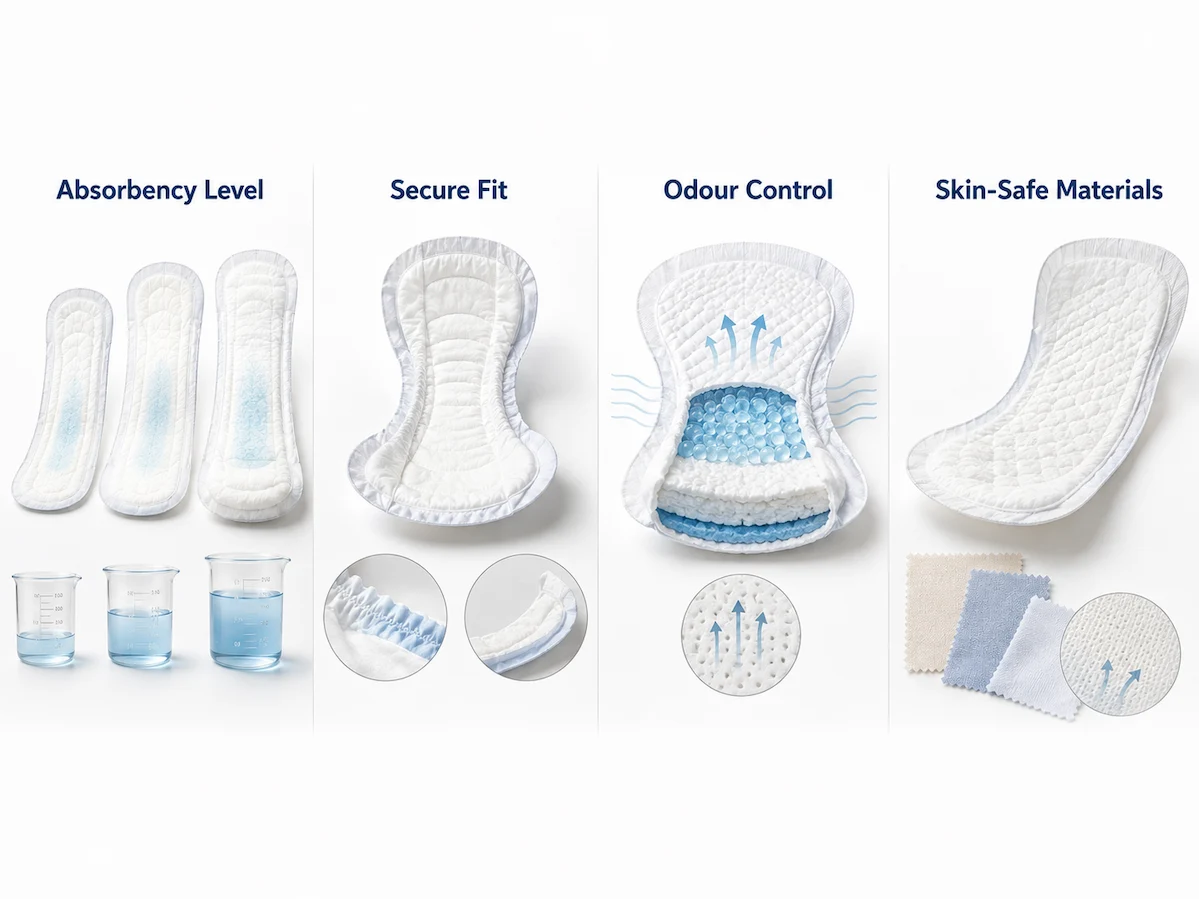
The best bladder control products share four key features: the right absorbency level, a secure fit, odour control, and skin-safe materials. Before buying anything, check for these first.
Let’s break down what each one actually means for you:
- Absorbency Level: Every incontinence product is rated by how much urine it can hold before leaking. Light-rated products handle around 50–150ml, moderate ones sit between 150–400ml, and heavy-rated options absorb 400ml or more. Matching that rating to your actual leakage volume keeps you comfortable and protected all day long.
- Secure Fit and Garment Design: A poor fit leads to gaps around the legs and waistband, and honestly, that’s where most leaks happen. So look for products with contoured edges and flexible materials that move naturally with your body.
- Odour Control: Good incontinence products use absorbent core technology to neutralise odour at the source. That way, you stay feeling fresh whether you’re at home or out and about across Sydney or Melbourne.
- Skin-Safe Materials: Breathable, hypoallergenic materials noticeably reduce the risk of skin irritation during long wear periods. It’s worth avoiding products with heavy fragrances too, as these can aggravate sensitive skin and cause moisture-related issues over time.
Getting these four areas right will improve your comfort and confidence every single day. When you protect your skin and manage leaks properly, everything else falls into place.
You can also explore the incontinence tips section on Oz Continence for a wide range of practical advice worth reading through.
How to Choose the Right Incontinence Product for Your Body
All you need to do is follow a few simple steps to land on the right incontinence product for your body. Get this right, and you’ll spend far less time second-guessing and far more time feeling comfortable and in control. Here’s how to go about it.
- First, identify how much leakage you experience daily
- Then, match that volume to the right absorbency level
- After that, consider your lifestyle, whether you’re active or mostly at home
- Next, check the fit: no bulky feel, no gaps at the legs
- Also, think about your skin sensitivity and preferred wear time
- Then, decide between disposable or reusable underwear options
- Finally, check sizing and try a small range before committing to a brand
A lot of people get tripped up at the absorbency step. They either go too light and end up with leaks, or too heavy and feel uncomfortable all day. Both are easy mistakes to avoid once you know your actual leakage volume.
To be thorough, check the manufacturing and expiry date on any product you buy. Older stock can certainly affect absorbency performance. And when it comes to brands, look for ones that are dermatologically tested and carry continence-recognised endorsements. That’s your safest indicator of quality and reliability.
Our product buying guide on Oz Continence walks you through each of these steps in more detail.
Bladder Control Habits That Work Well With Your Products
Now that you know which products suit your needs, pairing them with a few daily habits gives you even better results. Products manage leaks in the moment, but these habits add support over the longer term. Below, we’ve discussed three habits worth building into your routine.
Pelvic Floor Exercises
Pelvic floor exercises strengthen the muscles directly supporting your bladder. When those muscles are weak, the urethra struggles to stay closed under pressure. This situation is mainly responsible for the leaks. Stronger pelvic floor muscles mean better control, fewer leaks, and less reliance on products over time (and the damage compounds when these muscles are ignored).
How Often Should You Do Them?
Most healthcare professionals recommend doing pelvic floor exercises at least three times a day. Each session needs around eight to twelve repetitions to be genuinely useful. Consistency over two to three months is where most people start noticing improvement.
What Does a Basic Routine Look Like?
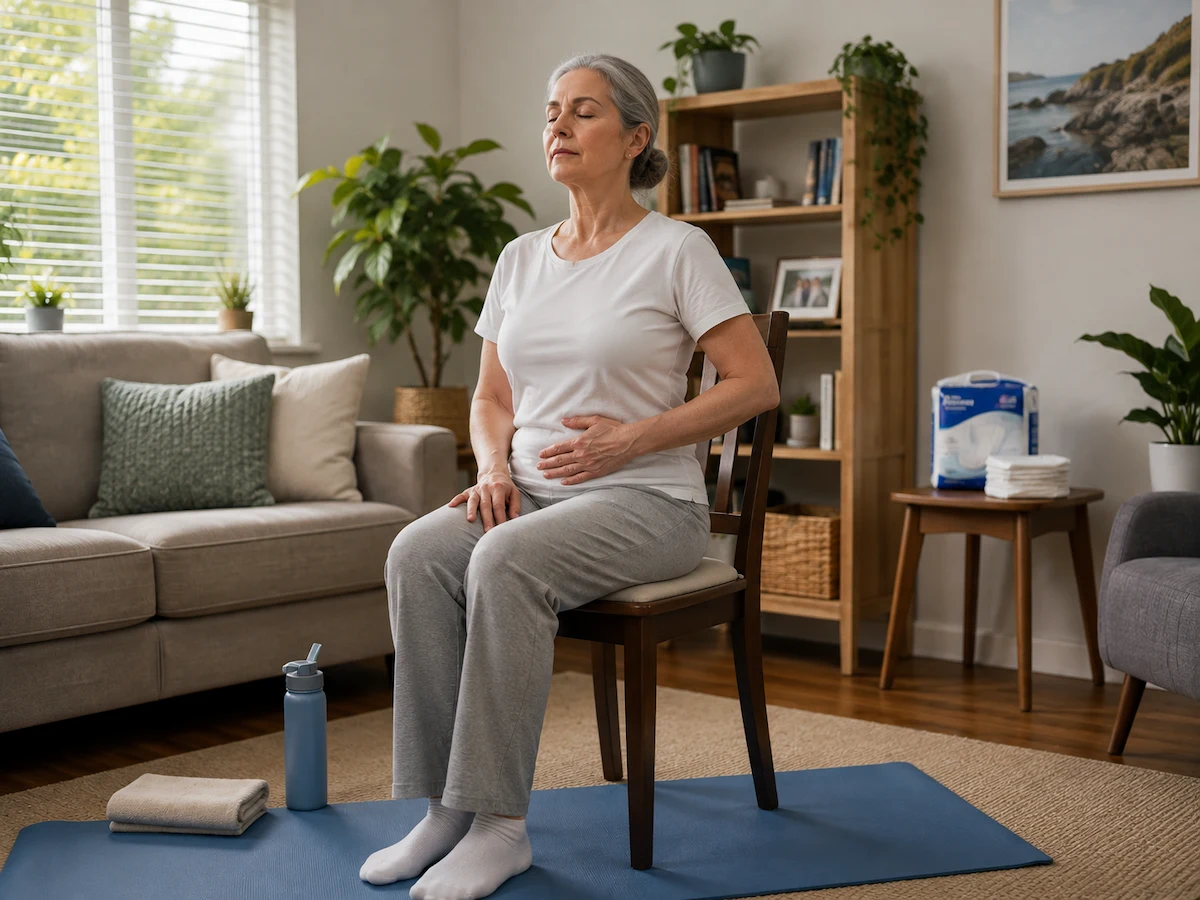
Start by finding a comfortable position, either sitting upright or lying flat on your back. Identify your pelvic floor muscles by imagining you’re trying to stop urine flow midstream. Once you’ve located them, squeeze and hold for three seconds, then release fully for three seconds before repeating.
A word of caution here: don’t hold your breath while doing these. Breathing normally throughout each squeeze keeps the surrounding muscles relaxed and the exercise effective.
Also, avoid squeezing your buttocks or thighs, as that means you’re working the wrong muscle group entirely. Build up gradually, and aim for a ten-second hold per squeeze over several weeks. If you feel any pain or discomfort, stop and speak with a healthcare professional before continuing.
Fluid and Diet Adjustments
What you drink and eat has a direct effect on how often your bladder signals the urge to go. Caffeine, found in coffee, tea, and cola, acts as a diuretic and increases urine production by stimulating the bladder wall. Alcohol works similarly.
Reducing both to one or two servings a day can reasonably lower urgency episodes. If it’s hard for you in the beginning, then replace one caffeinated drink with water each day. It’s a small, practical shift that your bladder will thank you for.
Certain foods also irritate the bladder lining, including spicy foods, citrus fruits, and artificial sweeteners. Keeping a simple food diary for a week helps you spot patterns between what you consume and when leaks occur. From there, cutting out one irritant at a time gives you a clearer picture of what’s affecting your bladder and by how much.
Bladder Training Routines
Bladder training works by gradually extending the time between toilet visits to rebuild control. You start by going at fixed intervals, say every hour, then extend that gap by 15 minutes each week. The goal is to reach a comfortable interval of two to four hours without urgency.
That approach takes time, but it does work. According to bladder control research from Mayo Clinic, most people see measurable progress after a few weeks of consistent training.
When an urge hits before your scheduled time, the trick is to pause, breathe slowly, and squeeze your pelvic floor muscles until the urge passes. That response retrains the bladder to hold on longer rather than reacting straight away.
And combining this routine with the right incontinence products gives you a much stronger foundation. At the end of the day, neither the product nor the habit works as well on its own as they do together.
Common Mistakes People Make When Picking Urinary Incontinence Products
Most people don’t realise they’ve picked the wrong product until they’re already dealing with an uncomfortable leak. And by then, the damage to both confidence and skin can take a while to recover from. So, the first responsibility is knowing exactly what to avoid when you buy.
The most common mistake is choosing the wrong absorbency level. Going too light means leaks get through. On the other hand, going too heavy means unnecessary bulk and potential skin irritation from prolonged moisture exposure. Neither feels great, and both are avoidable with a proper assessment. If you’re confused about which level suits you, speaking with a doctor or healthcare professional before buying is a safe bet.
Another frequent problem is reaching for regular underwear or period pads as a substitute. These aren’t designed to absorb urine, lock away moisture, or protect the skin the way proper incontinence products do. Using them as other products leads to odour, irritation, and leaks that proper incontinence pads would have prevented.
Ignoring sizing guides is the third issue worth flagging. Poor sizing creates gaps around the legs and waistband, and that’s where leaks sneak through regardless of absorbency level. That’s why we recommend always cross-checking your measurements against the brand’s sizing chart before purchasing.
And finally, skipping the expiry date check is something a lot of people overlook entirely. As we mentioned earlier, expired incontinence products lose their absorbency performance, and the materials can degrade in ways that irritate the skin. It takes ten seconds to check, and it’s the kind of detail that saves a lot of trouble down the track.
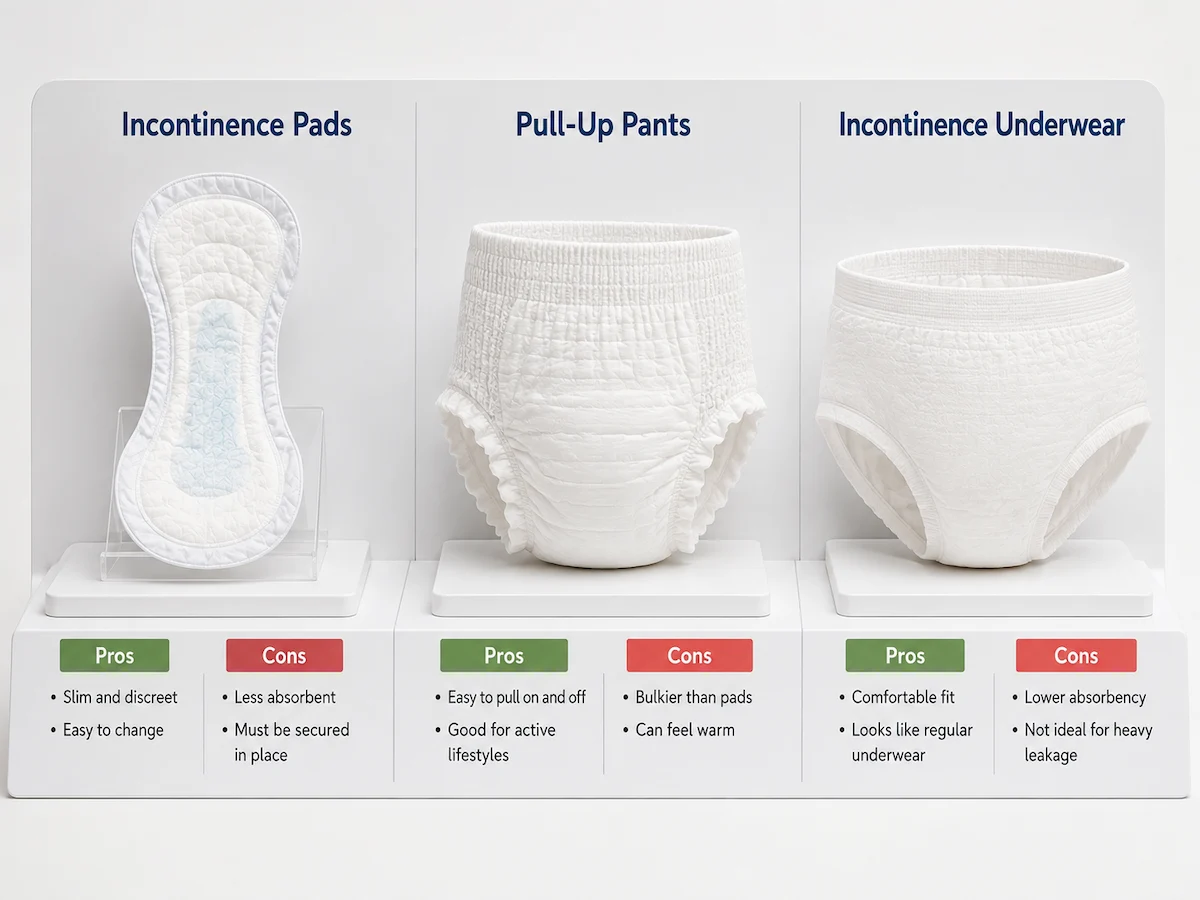
Best Products For Bladder Incontinence: Pros and Cons
This quick comparison table breaks down the pros and cons of pads, pull-up pants, and incontinence underwear side by side. Once you see them together, there’s no second-guessing which one fits your situation best.
| Incontinence Pads | Pull-Up Pants |
Incontinence Underwear |
|
|
Absorbency Range |
50–500ml | 400–800ml |
50–200ml+ |
|
Reusable |
No | No |
Yes |
|
Washable |
No | No |
Yes |
|
Discretion |
High | High |
Very high |
|
Best for |
Light to moderate leakage | Moderate to heavy leakage |
Light to moderate, daily wear |
|
Skin Comfort |
Good | Good |
Excellent |
|
Ease of Use |
Very easy | Easy |
Easy |
|
Cost Over Time |
Higher | Higher |
Lower |
|
Bulky Feel |
Minimal | Minimal |
None |
|
Devices/Aids Needed |
None | None |
None |
So where does each product actually fit into real life? Absorbent pads suit people who want a quick, disposable option they can swap out throughout the day. Pull-up pants are a strong pick for anyone who needs heavier protection without sacrificing comfort. Reusable incontinence underwear, on the other hand, is the most cost-effective choice over time and works well for everyday wear.
Each product has its place, and the best one depends entirely on your leakage level, lifestyle, and how long you plan to wear it.
It’s Time to Feel Dry, Confident, and Free
The right incontinence product gives you back something genuinely valuable. It’s the freedom to go about your day without constantly planning around leaks. Heading out for a walk, sitting through a meeting, or simply relaxing at home all feel a lot easier with the appropriate product by your side.
Have a quick look at what we covered:
- Incontinence pads and absorbent pads for light to moderate leakage
- Pull-up pants for moderate to heavy protection on active days
- Reusable incontinence underwear for everyday comfort and long-term value
- Key features to check: absorbency, fit, odour control, and skin-safe materials
- Simple habits like pelvic floor exercises and bladder training to support your products
At Oz Continence, we’re here to help you find the right fit without the guesswork. Feel free to book an appointment with our team and get personalised guidance straight away.
Frequently Asked Questions About Bladder Incontinence Products
Got more questions? We’ve answered the most common ones below.
What Are the Best Products for Bladder Incontinence for Active Adults?
Pull-up pants and reusable underwear are the top picks for active adults. Both offer reliable protection without bulk, and reusable underwear works like a regular garment you can wash and rewear daily.
Can Incontinence Underwear Be Worn All Day Comfortably?
Yes, most incontinence underwear is designed for all-day wear. Look for washable options made from breathable materials that protect the skin and manage mild to moderate leakage without irritation.
What’s the Difference Between Incontinence Pads and Liners?
Incontinence liners handle very light leakage, typically under 50ml of liquid. Pads absorb more and come in a wider range of absorbency levels. Both are disposable devices that sit inside regular underwear for discreet protection.
Are There Other Options Beyond Pads and Underwear?
Yes. Other options include pessaries, which support the bladder neck and urethra in women, and external collection devices for men, worn around the penis to manage urine flow. A doctor can advise which suits your needs best.
Can Bladder Incontinence Affect Bowel Control Too?
It can. Many adults dealing with urinary incontinence also experience some degree of bowel control issues, as both share the same pelvic floor muscles and surrounding tissues. Treatment for one condition often benefits the other, so speaking with a doctor is always worthwhile.
