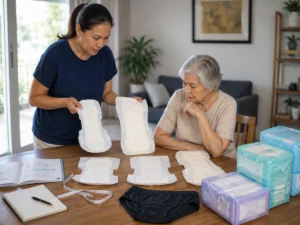
The difference between incontinence underwear and regular panties comes down to absorbency, materials, and how they handle bladder leaks.
In reality, regular underwear provides comfort and nothing more, and once leaks become part of your routine, it no longer offers adequate protection. Everyday panties have no way to manage moisture, odour, or unexpected accidents.
For many people, urinary incontinence affects life outside the home as well. Something as simple as a morning errand or a lunch catch-up can feel stressful when you are quietly worrying about leaks or discomfort the whole time. That ongoing concern chips away at your comfort and confidence over time.
This article helps with that. We walk through absorbency levels, product types, and how to pick the right one for your needs. By the end, you’ll have a clearer idea of which option suits your situation best.
What Is the Difference Between Incontinence Underwear and Regular Panties?
Incontinence underwear uses an absorbent core to catch bladder leaks, while regular panties offer no leak protection at all. And that one design decision reveals how each product performs (spoiler: cotton is not sufficient).
Let’s take a closer look at what sets them apart:
- Leak Protection vs Everyday Comfort: Regular cotton panties feel soft and breathable, but they lack absorbent layers, a leak barrier, and odour control. On the flipside, incontinence underwear manages moisture, reduces odour, and helps you stay dry for longer.
- Confidence During Daily Activities: Small bladder leaks can make ordinary moments feel stressful fast. For example, sneezing, laughing, exercising, or rushing to catch the bus becomes something you dread when visible leaks are a concern.
- Long-lasting Support: Normal underwear gives out fast when leaks happen. Incontinence pants, on the flip side, absorb leaks through long days, travel, and busy schedules. That added protection helps many people leave the house, travel, or get through a busy day without a second thought.
And we hear about these benefits regularly, especially from women who made the switch. Once they stopped relying on regular underwear for leak protection, their constant worry about leaks faded. That kind of relief is hard to put a number on.
How Incontinence Underwear Is Designed to Handle Leaks
Incontinence underwear works like a layered sponge. One layer absorbs the leak, another pulls moisture away from your skin, and a third controls odour. And each layer depends on the one before it. That combination is what keeps you dry and comfortable through a full day of wear.
Here’s how these layers work together:
Absorbent Core
The absorbent core does the heavy lifting when a leak happens. It soaks up moisture quickly before it spreads through the fabric. That means you stay drier and avoid that cold, damp feeling sitting against your skin for hours (you’ll notice the comfort straight away).
Moisture-Wicking Lining
Once the core absorbs the urine, the moisture-wicking lining takes over. It pulls the remaining dampness away from your skin and locks it deeper into the fabric, where excess liquid can no longer cause skin irritation. So your skin stays dry, comfortable, and free from the redness that comes with prolonged moisture exposure.
Odour Control
If you’ve gone through bottle after bottle of perfume trying to cover odours, you know the struggle. Fortunately, most incontinence underwear has odour control woven directly into the fabric. It keeps smells from becoming noticeable when you are out for hours (yes, even when you are exercising, shopping, or catching up with friends).
Pro Tip: Pay close attention to inner lining materials if you have sensitive skin. Choose soft, breathable fabrics because rough or synthetic materials can cause skin irritation.
Absorbency Levels in Incontinence Products Explained
Incontinence products come in three main absorbency levels: light, moderate, and heavy. “Light” handles small leaks (when you sneeze or laugh). “Moderate” covers more regular leakage, and “heavy” handles larger releases or overnight protection.
Each level matches a different set of symptoms and situations. To make that choice easier, here is a quick breakdown of each:
| Absorbency Level | Best For | Product Examples |
| Light | Stress incontinence, light leakage | Liners, light pads |
| Moderate | Urge incontinence, moderate leaks | Fitted pants, moderate pads |
| Heavy | Heavy incontinence, overnight use | Full-coverage pants, heavy pads |
In short, pick the absorbency level that matches your typical leakage amount. Too little protection leaves you exposed, and too much adds unnecessary bulk. Think of it like buying jeans. You know within an hour if you picked the wrong size.
Keep in mind: Stress incontinence and urge incontinence feel different day to day, and your product should reflect that.
Incontinence After Pregnancy and Beyond
Bladder leaks after pregnancy are common (it’s nothing to be embarrassed about). For many women, symptoms stick around long after those early newborn weeks, adding one more thing to an already full plate.
During recovery, washable incontinence underwear and disposable pads are both reliable options to manage incontinence. In fact, you can start feeling more comfortable well before your first specialist appointment.
Postpartum leaks do sometimes resolve on their own. But when they stick around longer than expected, seek out help. A continence nurse or healthcare provider can assess what is going on and recommend the right path forward.
They can help assess your symptoms and recommend the right treatment options, including pelvic floor exercises, medical treatments, or surgical options. But if you have persistent symptoms, Queensland Health’s urinary incontinence page is a useful resource for deciding when to seek help.
Disposable vs Reusable Incontinence Underwear
When it comes to incontinence pants, you have two main options: disposable and reusable. Each one suits a different lifestyle, budget, and level of daily protection needed.
So how do these two compare? Disposables prioritise convenience, reusables prioritise comfort and value. A closer look at each:
- Disposable Products: Disposable underwear works well for travel, long days out, or times when you need to change regularly. After use, you simply discard them and put on a fresh pair. This makes them convenient for busy schedules and easy to manage when you are away from home (the best choice for the busiest days).
- Reusable Products: While washable incontinence pants cost more, they can be washed and worn repeatedly. Many women wind up spending less over time than they would on disposables. And as a bonus, many brands design washable pants like cotton underwear.
Neither option is wrong, and you do not have to commit to just one. Many people use the reusable ones at home and throw a few disposables in their bag for days out. Once you figure out what works best in different situations, managing it day to day becomes much easier.
Can Period Underwear Replace Incontinence Underwear?
No, period products cannot replace incontinence products. Each option targets a different type of leak, so swapping one for the other often leads to accidents.
Period undies manage menstrual flow, which is slow and gradual. Bladder leaks work differently because they release liquid much faster and often in larger amounts. So if you use period underwear for urinary leaks, the absorbent layer can reach its limit very quickly.
That leaves pee sitting against your body and increases the chance of leaks spreading through your clothing. In situations like these, incontinence underwear makes more sense. The extra absorbency gives you the missing confidence, getting through the day without constantly worrying about leaks.
Incontinence Pads vs Incontinence Pants: What Works Better?
Pads and pants both manage incontinence well. But the right incontinence products for you depend on your leakage level, daily routine, and personal preference. We’ve seen many cases where people start with incontinence pads and later change to pants.
Below is a quick side-by-side look:
| Incontinence Pads | Incontinence Pants | |
| How They Work | Sit inside regular pants, held in place by a sticky backing | Worn independently, no separate undergarment needed |
| Best For | Light to moderate leaks, everyday use | Heavy leakage, active days, limited mobility |
| Discretion | Slim and discreet underclothing | Fits like real underwear, discreet under most clothing |
| Ease of Use | Easy to change on the go | Better for those who find disposable pads difficult to manage |
| Who Uses Them | Men and women managing light leakage | Men and women need fuller coverage |
There is no single right answer here. As we mentioned earlier, your leakage level, daily routine, and comfort all play a role. So a product that works brilliantly for one person may not suit another at all because people experience incontinence differently in terms of volume, timing, and sensitivity.
If you want a more detailed breakdown, the Continence Foundation of Australia covers continence products by type, absorbency, and suitability.
Ready to Feel Confident Again?
You deserve to feel comfortable and confident every day, and the right fit makes that possible. Incontinence underwear offers real protection that regular underwear simply cannot, and once you find the right fit, daily life feels noticeably easier.
As we discussed earlier, the right choice depends on your symptoms and how much protection you need each day. Most people find their ideal product within a few tries. And once they do, managing incontinence becomes a lot less of a daily battle.
We recommend starting with one product and adjusting from there. For more help, browse the full range at Oz Continence, where you will find options based on your needs.
Disclaimer: This blog provides general health and product information for educational purposes only. It is not intended to diagnose, treat, or replace advice from your healthcare professional. Always seek guidance from your GP, nurse, continence advisor, or pharmacist regarding your individual needs. If symptoms persist or you’re unsure about product use, consult a qualified healthcare provider.