
Bowel incontinence changes how people plan their day, how confident they feel leaving the house, and, over time, their overall quality of life. Yet many people delay seeking help because they feel embarrassed or unsure about their options.
At Oz Continence, we break down continence health in plain language so you can make informed decisions without getting lost in medical jargon. This guide walks you through:
- Types of incontinence products
- How to match them to your leakage level
- Day-to-day bowel management strategies, and more
If you’re newly diagnosed or just looking for something that works better, keep reading, and let’s work through it together.
What Is Bowel Incontinence?
Bowel incontinence is the loss of bowel control, which leads to unexpected leakage of solid or liquid stool.
Around 1 in 30 Australians live with it, and the causes include nerve or muscle damage. Other contributing factors include health conditions like Crohn’s disease, ulcerative colitis, and multiple sclerosis. And it can show up across all age groups, rather than just in older adults.
The condition breaks down into a few distinct types, and each one points you toward a different kind of product:
- Bowel vs. Fecal Incontinence: Fecal incontinence is the medical term your specialist is likely to use. Bowel incontinence is the everyday name for the same condition. Both mean the unintentional loss of stool before you can reach a toilet.
- Urge Incontinence: A sudden, strong urge to pass stool arrives with very little warning. In many cases, the time between feeling the urge and losing control is too short to make it to a toilet.
- Passive Incontinence: Stool leaks without any sensation or warning signal at all. Products for this type need strong rear coverage and secure leg cuffs, along with absorbency.
- What Leakage Level Means for Products: Light, moderate, and heavy leakage each call for a different level of absorbency and coverage. Besides, the right product depends on your leakage pattern, daily routine, and comfort needs.
Talking through your leakage type and frequency with a healthcare professional early on gives you a clearer path to the right products. It also rules out underlying causes worth treating directly.
How Can You Manage Bowel Incontinence?
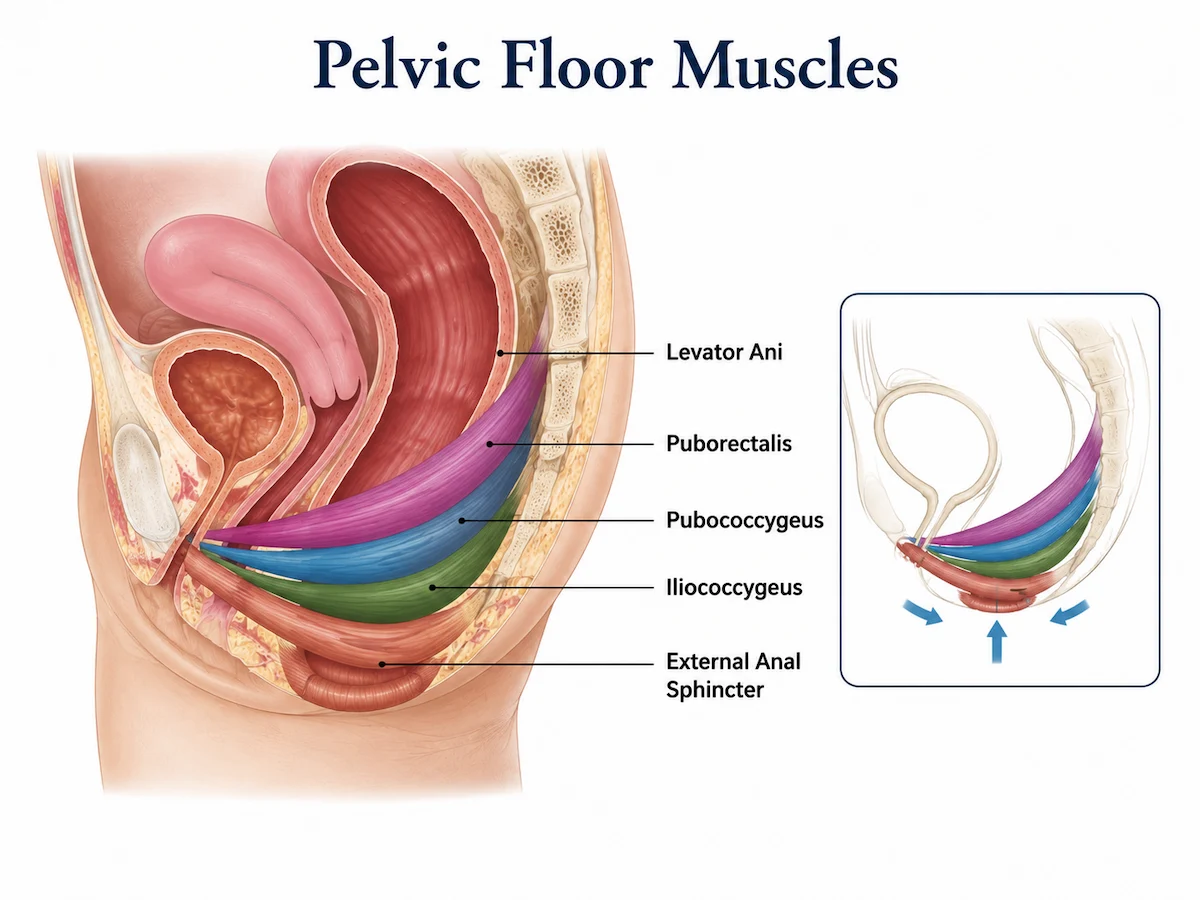
You can manage bowel incontinence through simple approaches like diet changes, bowel training, and pelvic floor exercises. In fact, these habits combined can improve symptoms in around 60% of people.
When treated early with consistent lifestyle changes, bowel incontinence responds well for many people, even before medical intervention becomes necessary. Some find significant relief within weeks. Others need a longer stretch of time, and that’s completely normal.
Below are three reliable self-managed approaches.
What Bowel Training Involves
Bowel training works by scheduling toilet visits at set times each day, usually after meals when the bowel is naturally more active. Over time, this routine reduces the frequency of unpredictable leakage and helps the body build more regular bowel movements.
We hear from a lot of Australians who try bowel training for a week and give up. The ones who see change are usually those who attach it to something they already do every day. It can be as simple as a meal, or a morning coffee, rather than a separate task dedicated to the condition.
A continence nurse or GP can help customise a schedule to your routine. Along with that, eating more high-fibre foods and drinking plenty of fluids supports the process. Both influence stool consistency and help prevent constipation that can worsen leakage.
How Pelvic Floor Exercises Help
The pelvic floor muscles support the muscles around the anus and help control bowel movements. Kegel exercises can strengthen this area by contracting and releasing the muscles repeatedly throughout the day. The steps are as follows:
- Tighten the pelvic floor muscles and hold the contraction for three seconds
- Relax the muscles fully for a few seconds before repeating
- Gradually increase the hold time until you can maintain a contraction for ten seconds
- Repeat the exercise 10 to 15 times per session
Three sets a day is the common target. A physiotherapist who specialises in pelvic floor rehabilitation can guide Kegel exercises more precisely than a general routine allows.
Keeping a Food Diary: Why It Helps
A food diary tracks what you eat, when you eat, and the moments your bowel leaks. When you write them down, you’ll start to notice a pattern. In general, spicy foods, high-fat meals, caffeine, and certain foods containing artificial sweeteners like sorbitol can provoke bowel urgency in some people.
When you share that diary with your GP or dietitian, they can provide more specific advice based on your patterns rather than general guidance. It also helps you choose foods that support regular bowel movements, such as high-fibre options like whole grains, fruits, vegetables, and legumes.
What’s more, your diary can reveal whether your daily fluid intake is enough to support healthy bowel function. Drinking plenty of water helps prevent constipation and supports better overall stool consistency. It reduces how often you need to rely on continence products.
Which Products Help With Bowel Problems?
Products that help with bowel problems include absorbent pads, protective underwear, barrier creams, and more.
Unlike bladder-focused products, the best items tend to prioritise containment first, instead of just liquid absorption. That difference shows up clearly when you’re dealing with solid or semi-solid fecal leakage.
Here’s a quick overview of the main bowel control products and what each one covers:
|
Product Type |
Leakage Level |
Main Feature |
|
Absorbent Pads |
Light to moderate |
Slim, discreet, worn in regular underwear |
|
Pull-Up Underwear |
Moderate to heavy |
Pulls on/off independently, snug leg fit |
|
Tab-Style Briefs |
Heavy or passive |
Adjustable tabs, suits assisted changes |
|
Booster Pads |
Any level (add-on) |
Layered inside briefs for extra coverage |
|
Bed and Chair Pads |
Overnight or mobility needs |
Waterproof backing, reusable or disposable |
|
Barrier Creams and Wipes |
All leakage levels |
Protects skin after every leak or change |
Incontinence products work best when they’re chosen around your specific leakage level and how you move through your day. A well-matched product helps manage leakage and maintain comfort between appointments, procedures, or lifestyle changes.
Disposable underwear, absorbent pads, and barrier products each prevent leakage in different ways. So your routine and mobility are just as important as absorbency. The type of leakage you experience also influences which product provides the right protection.
Which Absorbent Pads Work for Bowel Leakage?
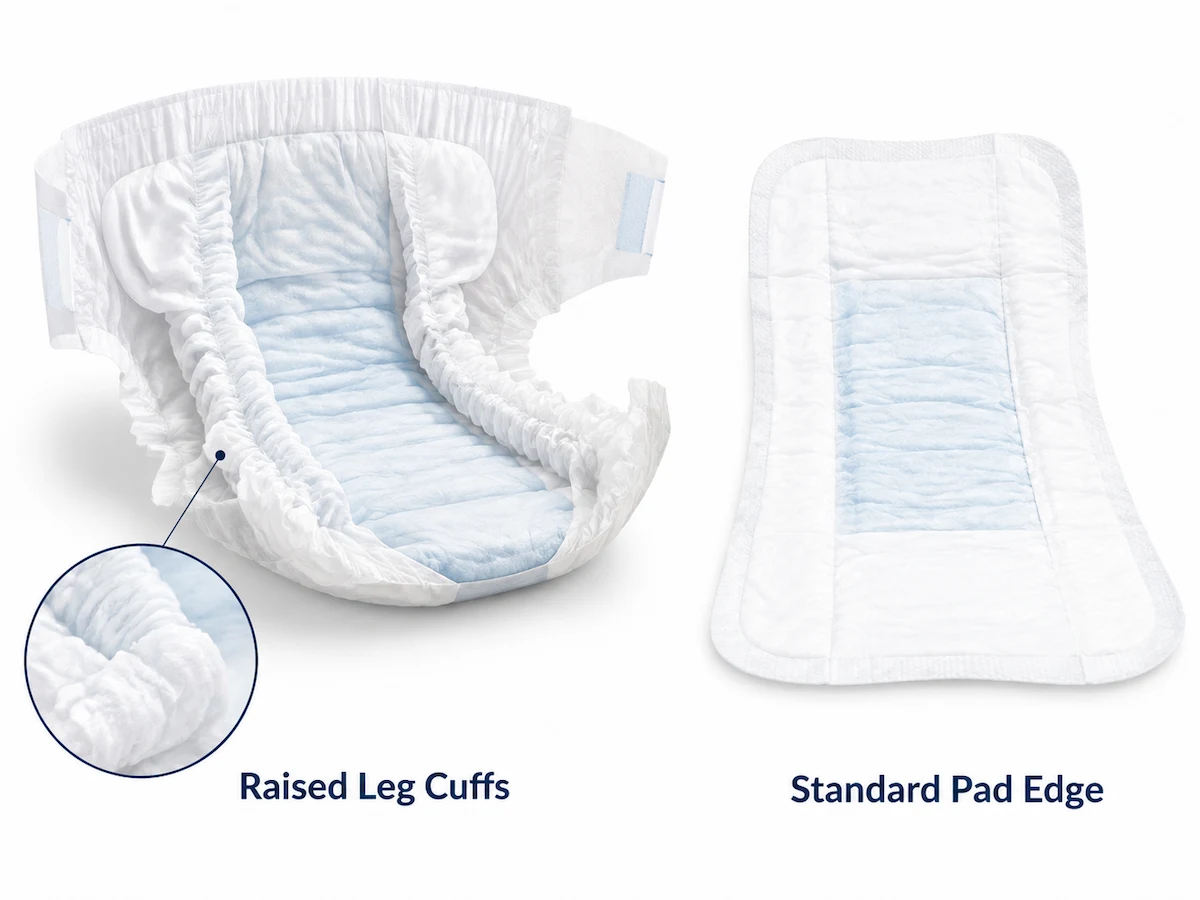
Absorbent pads for bowel leakage should offer strong containment, odour control, and protection against skin irritation. Not all incontinence pads are built for bowel leakage, and using the wrong type is a leading reason people experience leaks even when wearing protection.
Standard pads are designed around liquid absorption. This means they often fall short with solid stool, loose stool, or liquid stool from fecal incontinence. For fast, watery leakage in particular, incontinence products built for diarrhoea tend to contain it far better. And choosing the right pad comes down to two things: construction and materials.
Leg Cuffs: Why They’re Important for Bowel Leakage
Leg cuffs form a physical barrier along the inner edges of a pad. Their job is to contain solid and semi-solid stool before it reaches the clothing underneath. Pads without cuffs are designed for liquid only, so they fail regularly with bowel leakage.
Look for tall, elasticated cuffs that sit snugly against the skin. They should hold their position during movement without digging in or causing anal discomfort along the leg.
Skin-Safe Materials and Odour Control
Odour-neutralising agents and activated carbon layers break down smell inside the pad rather than just masking it. Skin care is also just as important for anyone managing fecal incontinence long-term.
Some good options are non-woven fabric, hypoallergenic fibres, and breathable outer layers. These materials reduce rash risk during extended wear. A moisture-wicking top sheet pulls liquid away from skin straight away, which supports better skin health between changes.
Pull-Ups or Tab Briefs: What’s the Difference?
Pull-up underwear and tab-style briefs both manage moderate to heavy bowel leakage, but they suit very different mobility levels, routines, and care needs. One is designed to support independence, while the other is better suited to assisted care settings.
This is how to work out which one fits your life.
Who Benefits Most From Pull-Up Underwear?
These underwears work well for people who are mobile, handle their own changes, and want to get through the day without assistance. The waistband and leg elastic hold the product close to the body during movement, so there’s less shift and less risk of bowel leakage.
Many pull-ups also come with tear-away side seams. It allows quick removal after passing stool without having to step out of shoes or remove clothing fully.
When Tab-Style Briefs Are the Better Fit
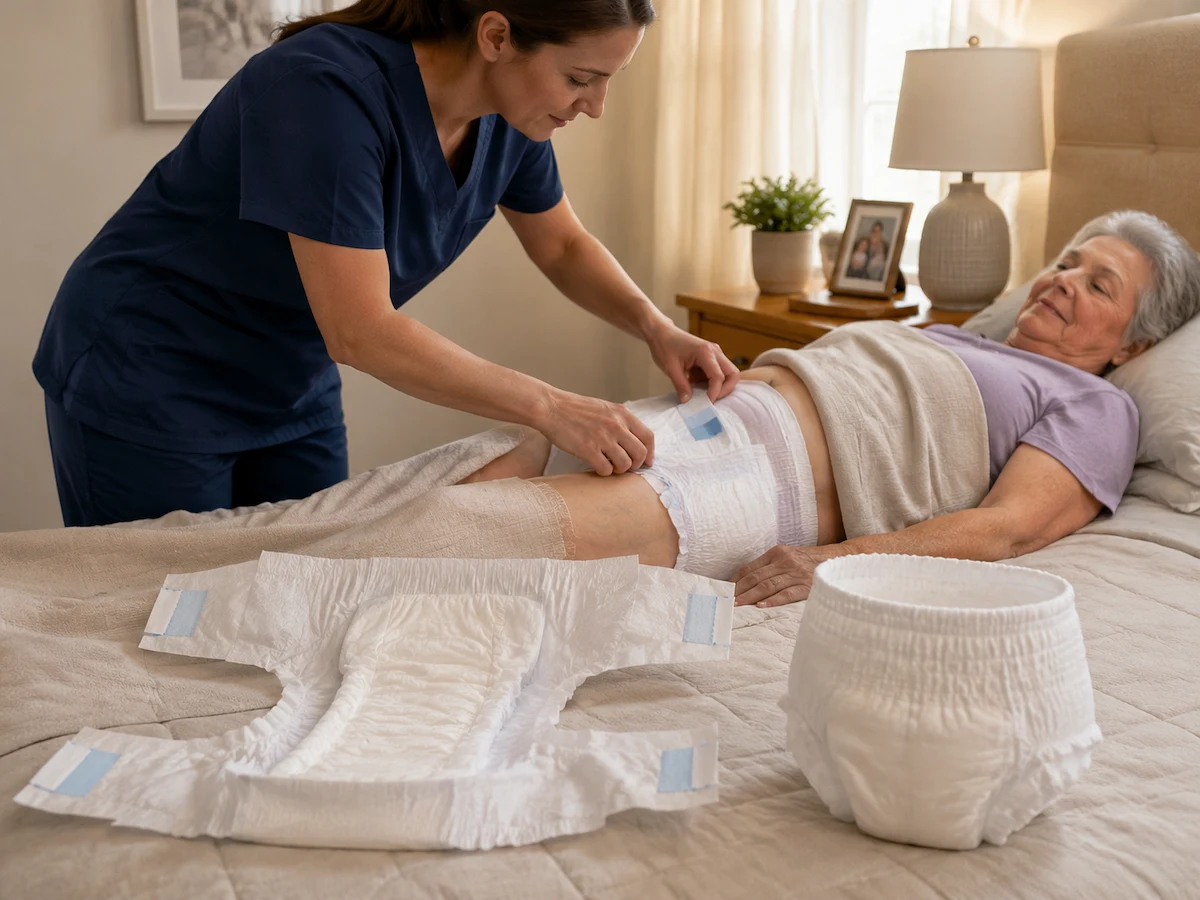
Tab-style briefs suit people with limited mobility, higher leakage volume, or those who need caregiver-assisted changes. Their refastenable adhesive tabs let a carer reposition the product without removing it entirely.
The fit wraps more securely around the anal sphincter area. That’s why for passive fecal incontinence or heavy overnight bowel leakage, the all-around coverage of a tab brief also offers greater containment than a pull-up.
Getting the Right Size: Why It Changes Everything
A product that’s too loose leaves gaps at the leg openings, and leaks follow regardless of absorbency level. And one that’s too tight restricts bowel emptying and causes skin irritation from soiled underwear. Plus, it makes the product uncomfortable to wear for any length of time.
Ideally, waist and hip circumference measurements help you choose the correct size (a step that feels unnecessary until a leak proves otherwise). Trial and error has its place, but that shouldn’t be your starting point. We strongly recommend checking the size chart before you order.
Disposable or Reusable: Which Should You Choose?
Choosing between disposable and reusable incontinence products depends on your lifestyle, budget, and daily routine in Australia. Both types manage bowel incontinence reliably when chosen well.
Some factors are worth weighing up before you decide:
- Cost Over Time: Reusable absorbent pads and underwear cost more upfront, but the per-use cost drops considerably over months. They also reduce the number of disposable products needed, which is a practical option for people who need ongoing protection.
- Environmental Impact: Reusable bowel control products generate a fraction of the waste that disposables do. A single reusable product replaces hundreds of disposable ones over its lifespan.
- Ease of Use: Disposable underwear is quicker to change, especially away from home. You don’t need to carry soiled products back with you. This makes outings and travel much less complicated.
- Washing and Drying Needs: Reusables need a regular washing routine and at least one backup set on hand. Otherwise, a single accident can leave you without a clean product when you need one.
- Australian Availability: Both disposable and reusable bowel incontinence products are widely available through pharmacies, supermarkets, and online suppliers across Australia.
Whichever type you go with, the fit and absorbency level count for more than the format. A well-fitted disposable will outperform a poorly fitted reusable every time, and the same works in reverse.
How Can You Protect Skin During Fecal Incontinence?
Skin protection with fecal incontinence relies on prompt cleaning, gentle products, moisture barriers, and reducing prolonged contact with stool.
Feces left in contact with skin, even briefly, can cause irritation, rashes, and ongoing anal discomfort. They contain harsh enzymes and corrosive compounds that act on skin quickly. As a result, a sufferer can develop incontinence-associated dermatitis (IAD).
Here’s what you need to know about skin care for fecal incontinence:
Barrier Creams and Moisture-Wicking Layers
Barrier creams form a protective layer over the skin around the anus and block direct contact between stool and the skin surface. Apply them to a clean, dry anal area after every change (wrong application is why many people find the irritation keeps returning despite using good products).
Moisture creams work best alongside products that have a moisture-wicking inner layer. That layer reduces the time skin spends in contact with liquid stool between changes, which lowers the risk of skin problems.
Wipes, Powders, and Keeping the Area Dry
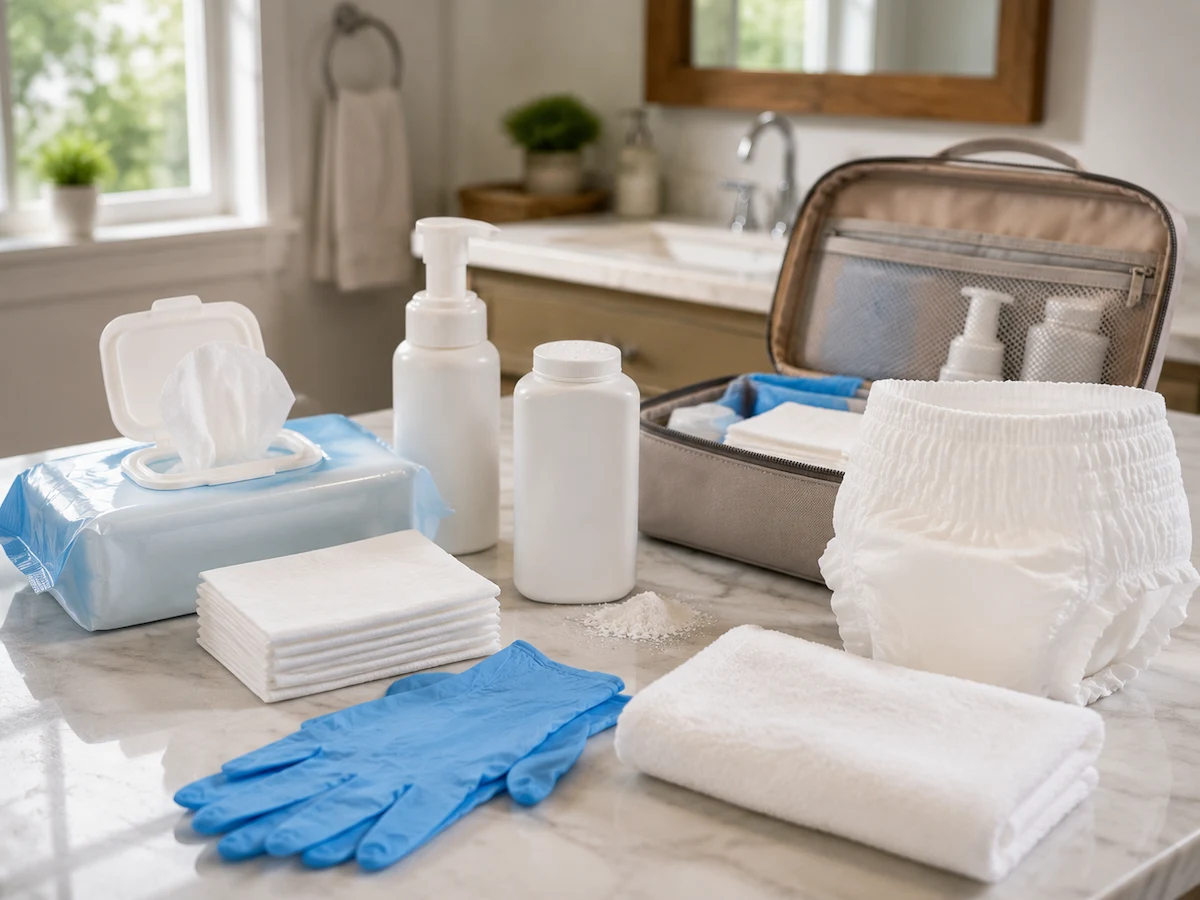
Unscented, alcohol-free wipes clean the anal area gently after leakage without stripping the skin or adding to existing irritation. No-rinse products are a good option when access to water is limited, and they’re worth keeping in any change kit.
Along with that, non-medicated powder absorbs residual moisture after cleaning and keeps the skin dry between changes. One thing we often see is that people don’t know to change soiled products promptly after they pass stool. But waiting even a short time raises the risk of skin problems considerably.
What Other Treatments Work Alongside Products?
Your healthcare provider may recommend medicines to manage symptoms, including fibre supplements to firm stool or anti-diarrhoeal medication to reduce urgency. Eating more high-fibre foods and drinking plenty of fluids each day also supports better bowel function.
Both treatments help prevent constipation, which can worsen fecal incontinence episodes when left unmanaged. The options below often work best alongside dietary changes and prescribed medication:
- Pelvic Floor Training: Stronger pelvic floor muscles improve the anal sphincter’s ability to hold stool under pressure. Working with a physiotherapist on targeted Kegel exercises builds pelvic floor muscle strength beyond what a home routine reaches.
- Sacral Nerve Stimulation: This treatment sends mild electrical impulses through the sacral nerves to improve bowel control. It’s considered when conservative approaches haven’t adequately managed fecal incontinence symptoms over time.
- Nonabsorbable Bulking Agents: Agents go into the anal wall via injection, which narrows the opening to reduce passive leakage. They work best alongside ongoing use of incontinence products during the treatment period.
- Surgical Options: In more involved cases, a health care professional may consider an artificial anal sphincter or plugs as part of a broader bowel management plan.
None of these removes the need for incontinence products straight away, but gradually they can reduce how much you rely on them to manage bowel incontinence day to day.
How Do You Stay Confident With Bowel Management?
Day-to-day confidence with bowel incontinence gets easier once you match the right product to the right situation. Let’s see how to approach some common situations where bowel management and product choice work together:
|
Situation |
Recommended Approach |
|
Going out |
Higher-absorbency product, carry a change kit |
|
At work |
Bowel training schedule timed after meals |
|
Overnight |
Overnight-rated product plus a bed pad |
|
Exercising |
Snug pull-up style with secure leg cuffs |
|
Travelling |
Wipes, spare product, barrier cream, food diary |
|
Social situations |
Fecal deodorants plus discreet pull-up style |
Getting out of the house confidently is often the greater concern. A consistent routine around bowel movements, product fit, and the right change kit improves the quality of life.
If you’re not sure where to start, a healthcare professional can build a management plan around your daily routine.

Managing Bowel Incontinence With Confidence
The right products for bowel incontinence aren’t the same for everyone. Your leakage level, daily routine, mobility, and whether you manage changes independently or with support all impact what works best for you.
If you’re still working out where to start, the National Continence Helpline on 1800 33 00 66 connects you with trained continence nurses. They can point you toward the right products and talk through your options. It’s a free call, and it’s worth making early rather than later.
Good bowel health and a better quality of life are achievable with the right information behind you. Oz Continence has a full library of articles covering continence health across every stage of life. Browse the site to find guidance that speaks to your situation.
Frequently Asked Questions
These questions come up regularly from Australians working out how to manage bowel incontinence day to day. The answers below add detail that hasn’t been covered elsewhere in this guide.
Are Absorbent Pads Enough for Bowel Incontinence?
For light bowel leakage, absorbent pads can work well, provided they have tall leg cuffs and rear coverage designed for fecal leakage rather than bladder control. Unfortunately, pads alone aren’t often enough for moderate to heavy fecal incontinence.
In this case, pull-up underwear or tab-style briefs offer better containment and work well alongside pads for added security.
Do Bowel Incontinence Products Differ From Bladder Pads?
They do. Bladder pads absorb liquid quickly, but they aren’t built to contain solid or semi-solid stool. Bowel incontinence products typically have taller leg cuffs, stronger rear coverage, and odour control features that standard bladder pads don’t include. Using the wrong type often results in leaks.
Can Nonabsorbable Bulking Agents Replace Incontinence Products?
Not entirely. Nonabsorbable bulking agents improve the anal sphincter’s ability to hold stool by narrowing the anal opening. They work best for passive fecal incontinence caused by weakness in the internal anal sphincter.
They reduce episodes over time, though people generally still use incontinence products during recovery and before the treatment takes full effect.
How Do I Know What Size Incontinence Product to Buy?
Measure your waist and hip circumference, then check the size guide for the specific product you’re considering. Sizing varies between brands, so choosing based on general clothing size can result in a poor fit and less effective protection against bowel leakage.
If you’re between sizes, go up rather than down. A healthcare professional or continence nurse can also guide you toward the right fit.
