
Are you struggling to find incontinence products that actually feel comfortable? It’s a common frustration, so let’s talk about it.
When incontinence supplies don’t fit well, the effects don’t just stop at discomfort. Leaks at work, restless nights, and avoiding social plans can gradually affect your confidence. As these problems continue, they can interfere with your daily routine and overall quality of life.
The reassuring part is that comfortable protection usually comes down to a few simple choices. You don’t need to keep guessing what will work.
In this article, we’ll cover how to find comfortable incontinence supplies by choosing the right fit, absorbency, materials, and features for your lifestyle.
Let’s start with what makes supplies comfortable in the first place.
How to Choose Incontinence Supplies With the Right Fit, Comfort and Protection

Comfortable incontinence products start with three basics: the right fit, absorbency, and materials. Nail these three, and your skin, confidence, and lifestyle all benefit.
We’ll break each one down so you know exactly what to look for.
Why the Right Fit Is Important
A poor fit is one of the main reasons incontinence products leak. Pull-ups that sit too loose can shift during movement and leave gaps around the legs, which allows urine to escape before it reaches the absorbent core. On the other hand, pads that are too tight dig into your skin and leave red marks along your thighs or waist.
Your body shape also plays a part here. After all, everyone’s hips, thighs, and waist are different, so a product that works well for one person may not feel comfortable for another.
The right fit should feel snug without pinching, and it should stay in place as you move throughout the day.
Choosing the Right Absorbency Without Sacrificing Comfort
Continence products come in a range of absorbency levels, from light to heavy leakage.
Light pads typically handle up to 100 mL, which suits small, occasional drips. Moderate leakage calls for products in the 200 to 400 mL range, with a wider core for better fluid distribution. For heavy leakage, pads and pull-ups usually hold 600 mL or more, depending on the brand and style.
However, more absorbency isn’t always better. Choosing a product that holds more than you need can add unnecessary bulk. The extra thickness can feel stiff under clothes and rub against your skin during movement.
That higher absorbency makes sense for overnight use because you may go six to eight hours without a change. During the day, a slimmer option may feel more comfortable and stay discreet under your clothes.
Materials That Help Keep Skin Comfortable
The materials in your incontinence pads affect how your skin feels hour after hour. And prolonged moisture contact can cause a condition called incontinence-associated dermatitis (IAD), which leads to redness, soreness, and even infection.
So, here’s what to check when comparing continence products:
- Breathable Fabrics: Your skin needs airflow to stay cool. A breathable outer layer (often made from air-permeable materials like nonwoven polypropylene or polyethylene) lets air circulate and reduces heat buildup, especially during longer wear.
- Moisture Management: A quality absorbent core uses materials such as superabsorbent polymers (SAPs) to draw urine away from your skin and hold it inside the product. That dry-to-the-touch feeling is what separates a good pad from one that leaves you feeling uncomfortable.
- Reducing Friction: Soft inner linings can reduce rubbing between the product and your skin. This is especially important around the thighs and waist, where repeated movement can cause chafing or irritation.
- Skin Health and Irritation: The faster a pad absorbs, the less time moisture sits against your skin. Quick absorption is one of the simplest ways to prevent rashes and soreness.
- Odour Management: Built-in odour control works by neutralising ammonia from urine. This way, you’ll feel fresh between changes, even on busy days when you can’t get to a toilet straight away.
Make sure to check for these features before you buy. It can save a lot of trial and error with your skin.
Matching Comfort to Your Daily Lifestyle
Your daily routine should guide your product choice. Because different activities call for different protection and a different level of discretion:
Working
If you’re working in an office or retail setting, a slim pad can help you stay protected without feeling bulky under your clothes. Since you can usually take toilet breaks every three to four hours, a light to moderate absorbency product may provide the coverage you need while staying discreet.
Travelling
Long car trips or flights can make it harder to access a toilet when you need one. But a higher absorbency product can help you manage leaks for longer periods between stops, while pull-ups may be easier to change in small or cramped bathrooms.
Exercise
Over 20% of women have stopped working out because of bladder leaks. That’s a shame, because regular movement actually strengthens your pelvic muscles over time (which support bladder control and may reduce the risk of leaks over time).
With the right protection, such as pads with a secure adhesive strip, you can stay active during running, jumping, and lifting without letting stress incontinence hold you back.
Long Periods of Sitting
You might not realise how full your pad has become after a few hours in a chair. Sitting also compresses the absorbent core and pushes steady pressure onto your bladder. So go with a pad with a shaped absorbent core and curved edges. It’ll prevent bunching between your legs and keep the product sitting securely against your body.
Sleeping
During sleep, overnight protection works best as a two-layer system. Your incontinence pad can handle what your body releases. Washable bed pads underneath will then catch any leaks that make it through. Together, they cover six to eight hours so you can sleep without interruptions or worry about wet sheets.
Australian Weather Considerations
Anyone in Queensland or the Northern Territory knows how fast humidity sets in. Breathable incontinence products can help by letting air circulate and keeping skin cool (which matters when temperatures sit above 30°C for months at a time). If you live in a tropical or subtropical part of Australia, like Far North Queensland or Darwin, this single feature can prevent a lot of skin irritation.

Common Mistakes That Make Incontinence Supplies Feel Uncomfortable
A few simple mistakes can make incontinence supplies feel uncomfortable or less effective. These are the issues people run into most often:
- Choosing Based Only on Absorbency: As we mentioned earlier, a bigger pad doesn’t always mean better protection. Extra bulk can cause friction against your legs and limit how freely you move. In most cases, a lighter pad that fits your body properly works better than a higher-absorbency option that leaves gaps or shifts out of place.
- Wearing the Wrong Size: Measure your waist and hips before ordering, then check the brand’s sizing chart. Products that are too big shift out of place, and ones that are too small pinch and dig into skin. Either choice leads to leakage and skin irritation.
- Ignoring Skin Sensitivity: Some products contain added fragrances or certain synthetic materials that may irritate, especially if you have sensitive skin. So look for fragrance-free options and check the product label before buying in bulk to avoid ending up with a product that does not suit you.
- Waiting Too Long to Change: Health professionals generally recommend changing pads every three to four hours during the day. This applies even if your pad still feels dry, because bacteria can grow quickly in warm, damp conditions.
At the end of the day, your needs are personal. Your body, leakage patterns, and daily routine all play a role in finding the right product. That means something that works well for a friend or family member may not provide the same comfort, fit, or protection for you. So avoid these mistakes to take the guesswork out of finding the right product.
Comparing Incontinence Pads, Pull-Ups and Other Continence Products
The main types of incontinence products include pads, pull-ups, tab-style briefs, and bed protection. Each one suits a different level of leakage, mobility, and lifestyle.
Let’s walk through how each option works so you can find the right fit.
When Incontinence Pads May Be Suitable
Incontinence pads (also called continence pads) are a good starting point for light to moderate leakage. They sit inside your regular underwear with an adhesive strip, and you can swap them at the toilet without changing your whole outfit.
The hard part is, as we’ve discussed, picking the right absorbency level for your needs. For example, a pad rated for light leakage (under 100 mL) won’t hold up if you’re losing 200 to 400 mL through the day. On the flip side, grabbing a heavy-duty pad when you only need light protection will add bulk that’ll feel stiff and rub against your skin with every step.
Now, one major thing many people don’t realise is that incontinence pads are very different from menstrual products. Period pads typically hold only 5 to 50 mL of fluid. Incontinence pads, by comparison, can absorb 300 to 400 mL or more.
That’s because they use super absorbent polymers that expand on contact with urine and lock it into the core. Period pads don’t have that technology, which means they’ll stay wet against your skin and cause irritation within hours.
When Pull-Ups May Offer Greater Independence
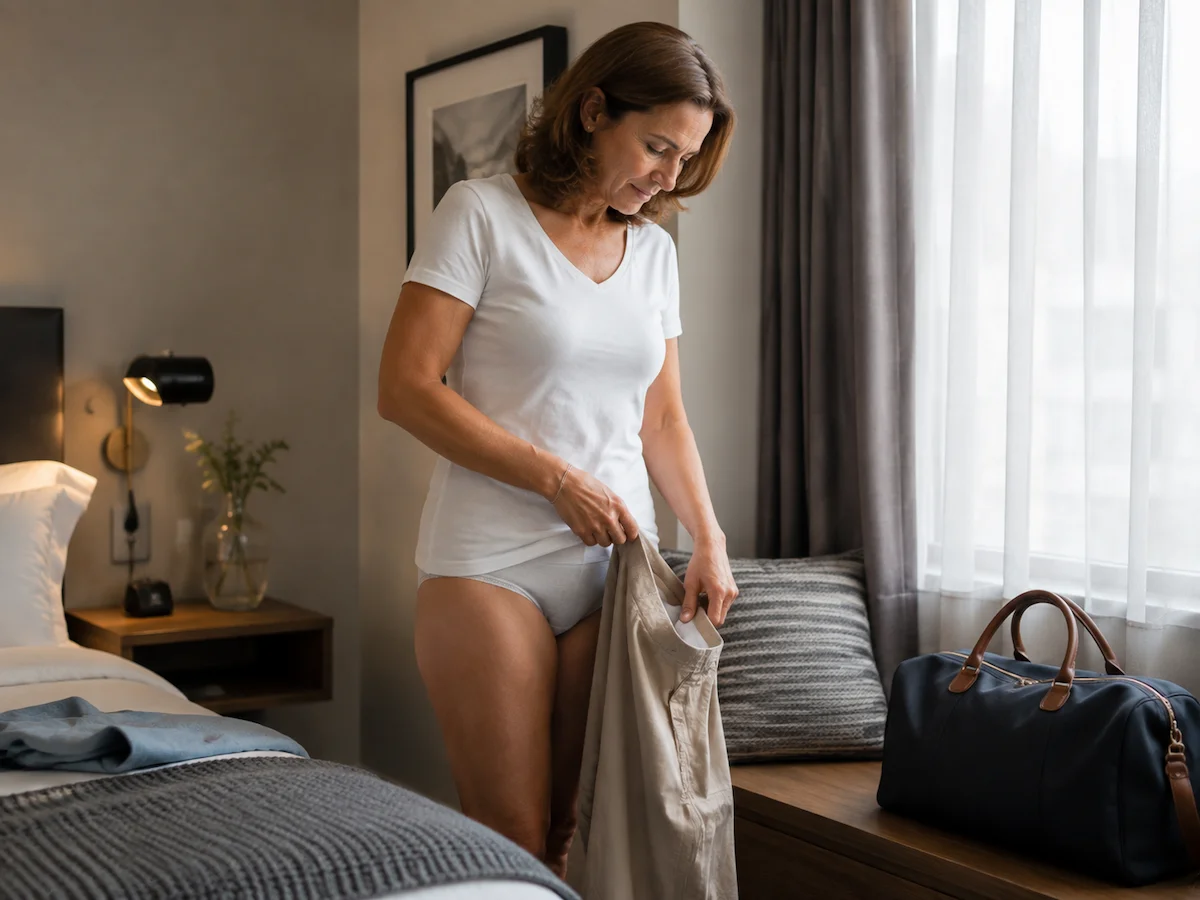
If pads no longer provide enough protection, pull-ups may be your next option to consider. They look and feel like regular pants, so getting used to them is fairly simple. You step into them the same way you would with normal underwear, and they hold their shape without tabs or adhesive strips.
This makes pull-ups a good choice for an active lifestyle. They fit closely under clothing and are designed to move with your body without shifting. Most styles also include elasticated waistbands and leg cuffs that keep everything snug without digging into your skin.
Changing is straightforward as well since most pull-ups have tear-away sides. This makes them particularly easy to remove in places like your workplace or travel bathrooms.
However, they’re generally best suited for people who can manage their own changes. If you need caregiver assistance, tab-style briefs are usually easier because they open flat without needing to pull anything down.
Understanding Other Continence Products
Tab-style briefs fasten at the sides with adjustable tabs that you can reposition for a snug fit. They tend to be the right product for heavy leakage, bowel incontinence involving faeces, or overnight care. As we mentioned, because they open flat, caregivers can change them without needing the person to stand up.
You’ll also need to choose between disposable and reusable options. Disposable pads offer everyday convenience, but they cost Australians an average of $1,835 per year. Washable bed pads and reusable incontinence briefs cost more upfront, yet they can last two to three years. That means you could save thousands of dollars over time simply by switching to reusable products.
For bed protection specifically, a good underpad (either reusable or disposable) will shield your mattress and give you one less thing to worry about at night.
How Discreet Solutions Can Improve Confidence
All of these choices come down to one thing in the end: feeling comfortable and secure in what you’re wearing. Today’s discreet solutions sit flat under clothing, stay silent when you move, and look no different from regular pants. Moreover, many modern pads are now thinner than 5 mm, which makes them nearly invisible under most outfits.
That physical discretion brings emotional comfort along with it. When you trust that your protection can handle a full bladder void without showing or leaking, you’re less likely to worry throughout the day. This way, you’ll feel less anxious about going back to work, catching up with friends, or travelling again.
How to Test Comfort Before Making Incontinence Supplies Part of Your Routine
Finding the right incontinence solution rarely happens on the first try. Bodies are different, leakage patterns vary, and what feels fine in the packet can behave differently once you’ve worn it for a few hours. A bit of trial and adjustment is completely normal when managing incontinence.
After wearing a new product for three to four hours, check for a few things:
- See if the absorbent core kept the urine contained or leaked around the edges.
- Your skin should stay dry and free from redness or chafing.
- Notice if the pad or pull-up slipped, bunched, or shifted while you wore it.
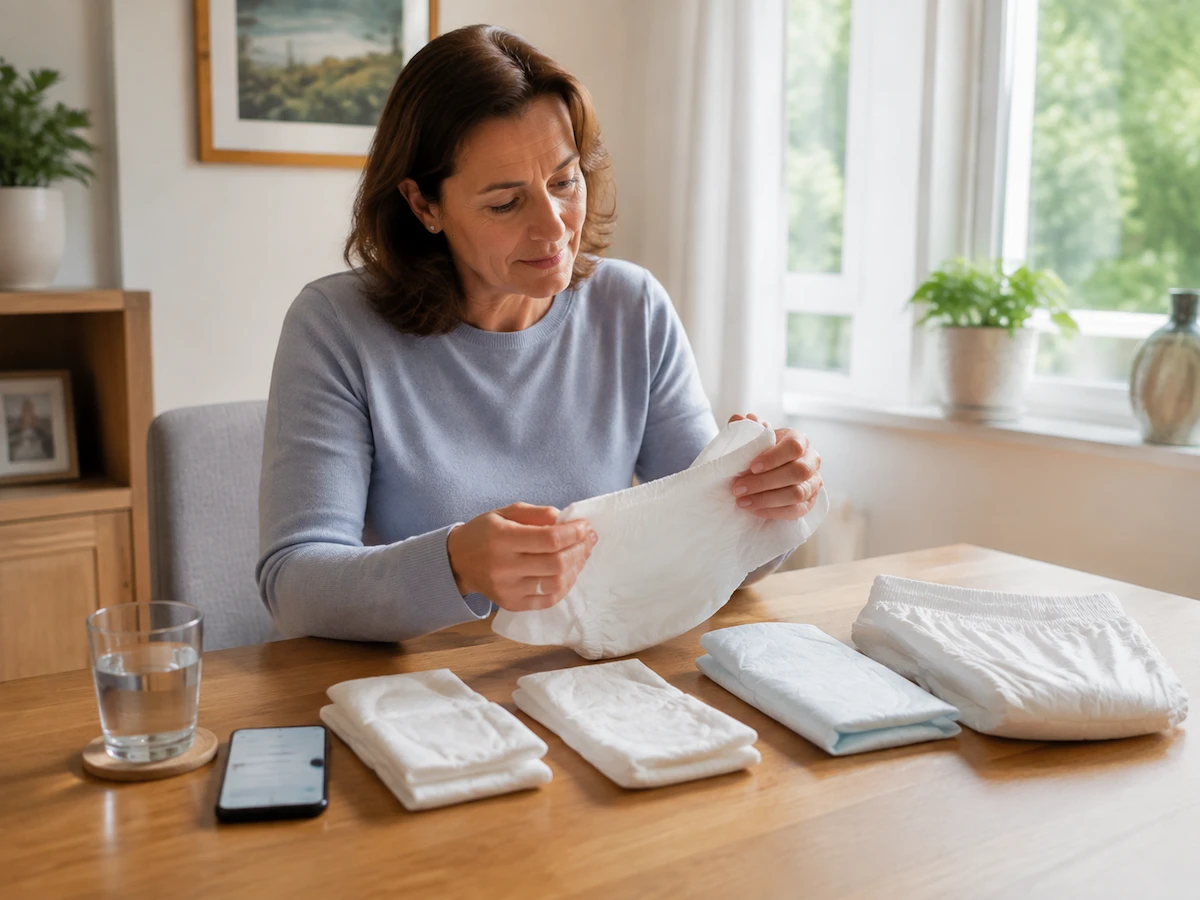
It helps to test across different activities too. A product that feels comfortable while sitting at a desk may bunch during a walk or ride on public transport. So test the product during your usual routine, including sleeping, exercise, and longer periods of standing or sitting, before you commit to buying any absorbent pads in bulk.
Your needs can also shift over time. Bladder control (and, by extension, urinary incontinence) can change with age, medication, or health conditions.
But you can keep a simple note of which products work and which don’t. This will save you from repeating the same mistakes later on (even a quick list on your phone does the job).
Find the Right Incontinence Solutions for Long-Term Comfort
Life doesn’t stay the same, and your incontinence care needs won’t either. Recovery from surgery, hormonal shifts after menopause, or a change in mobility can all affect bladder control and how often you pass urine. So it’s a good idea to revisit your incontinence solutions every few months. That way, your protection will stay suited to your current needs.
And when something feels off, don’t push through it. Ongoing leaks, new skin irritation, or sudden changes in your bladder or bowel habits are all good reasons to seek help. These changes can happen gradually, especially with conditions like urinary incontinence or stress incontinence. So getting advice early can make them easier to manage.
A continence nurse can assess your situation, suggest the right continence aids, and put together a plan that fits your life. You can also call the National Continence Helpline on 1800 33 00 66 for free support. Specialist health professionals across Australia provide free, confidential advice through the service.
You deserve incontinence products that feel comfortable and work for you. Visit Oz Continence to explore more practical guides, expert advice, and helpful resources for managing incontinence.
Frequently Asked Questions About Comfortable Incontinence Supplies
These are some of the questions we hear often from people looking for the right incontinence products. If you’ve been wondering about any of these, the answers below should point you in the right direction.
What Are the Different Types of Incontinence Supplies?
The range includes incontinence pads, pull-up pants, tab-style briefs, bed pads, and external sheath devices. Sheaths fit around the penis and collect urine into a drainage bag, which suits men with light leaks or limited mobility. Each product type comes in a range of sizes and absorbency levels to match different needs.
How Often Should Continence Products Be Changed?
As a general guide, change pads every three to four hours during the day. If you use overnight products, you can usually wear them for six to eight hours. Even if a pad feels dry, bacteria can grow in warm, damp conditions. So change them on time to prevent leaks and to keep your skin healthy.
Can Using the Wrong Incontinence Products Cause Skin Problems?
Yes. Products that don’t fit well or aren’t changed often enough trap moisture against the skin. Over time, that can lead to redness, rashes, and infection. Almost four in ten Australian women and two in ten men live with incontinence, so skin problems from poorly matched products are more common than you’d think. If you’re a carer, wearing disposable gloves during changes also helps protect both your skin and theirs.
Are Reusable Continence Products as Effective as Disposable Options?
Reusable pants and washable bed pads work well for light to moderate incontinence. They won’t match the absorbency of disposable products for heavy bowel leakage, but they offer solid everyday support. Many brands now even use moisture-wicking fabrics that feel similar to regular underwear.
How Do I Know When It’s Time to Try Different Incontinence Solutions?
If you need to urinate more often, your pelvic muscles feel weaker, or your current product leaves you damp between changes, it’s time to reassess. The best incontinence product is one that matches your current leakage level and lifestyle. Speak with a health professional to find the right continence product for where your body is today.
