
Welcome to your complete guide to the types of incontinence products for elderly adults.
You might be caring for an ageing parent, or dealing with bladder and bowel problems yourself. The product you pick determines whether you sleep through the night, feel secure going out, and stop worrying about leaks.
This guide covers incontinence pads, underwear, adult diapers, bed pads, and continence aids. For each one, you’ll learn what it does, who it suits, and when to use it.
By the end, you’ll know exactly which product fits your situation. Let’s get into it.
What Are the Main Types of Incontinence Products for Elderly Adults?
The main types of incontinence products for elderly adults are pads, pull-up pants, adult diapers, bed pads, and continence aids. Each one manages the accidental or involuntary loss of urine or faeces differently, so the right choice depends on your specific situation.
Here’s something worth knowing. According to Continence Health Australia, 1 in 4 adults in Australia experience incontinence. That’s millions of people, and many of them using the wrong product for months before finding what actually works.
The challenge is that urinary or faecal incontinence affects elderly individuals differently based on mobility, leakage volume, and lifestyle. Some people need light bladder or bowel support during the day, while others need heavy overnight protection. Knowing the differences among product types is the first step toward managing incontinence with confidence.
Incontinence Pads: The Everyday Essential for Light Leaks
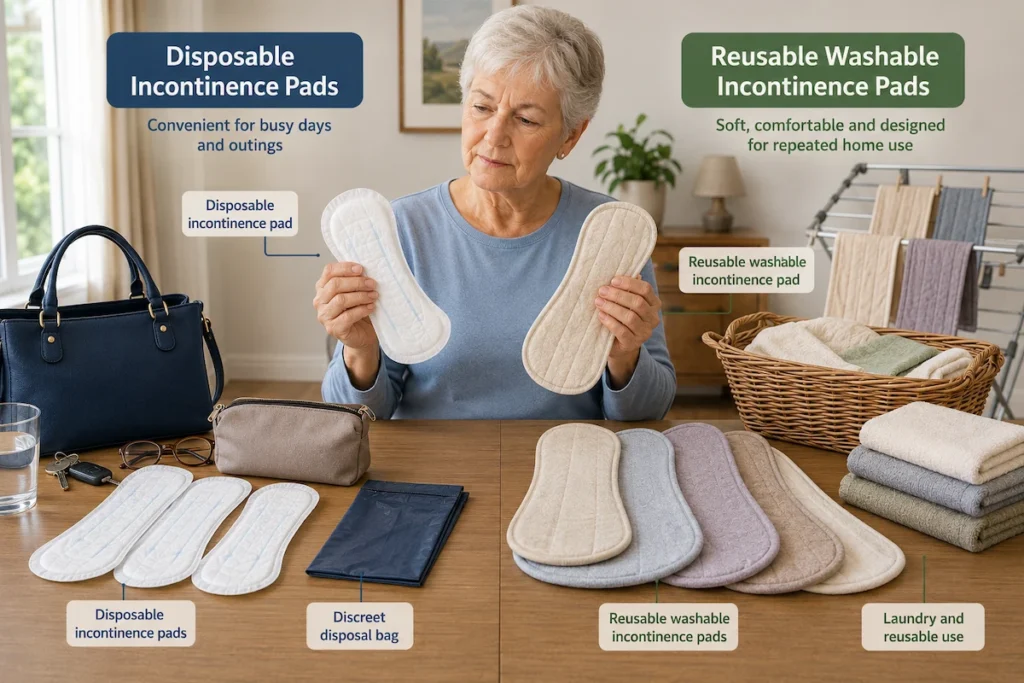
Incontinence pads are slim, discreet liners worn inside regular underwear to catch light leaks throughout the day. They’re among the most popular continence products in Australia because they’re affordable, easy to use, and widely available. For more insights on bladder and bowel health, Oz Continence is a solid place to start.
Now, we’ll know some important things about the incontinence pads below:
Are All Continence Pads the Same?
Most people assume all continence pads work the same way. Well, they don’t. Pads vary quite a bit in size, shape, absorbency, and fit. Some are designed specifically for women, with a curved shape that sits closer to the body. Others are wider and flatter for a more general fit.
A few even work similarly to a tampon, which sits inside the body to block leaks at the source. So no, grabbing any pad off the shelf isn’t always the best move. The wrong pad can shift, leak, or feel uncomfortable within an hour. Getting the right fit from the start saves a lot of trial and error.
Disposable Pads vs. Reusable: Which One Suits You?
Both options work well, but they suit different situations. Your lifestyle, budget, and how often leaks happen will all influence which one makes more sense. Some people even use both, swapping between them depending on the day.
Here’s a quick breakdown to help you decide.
1. Disposable Pads
Easy to use and widely available, disposable pads are great for:
- Convenient to use on the go
- No washing required after use
- Widely available at chemists and supermarkets
- Ideal for travel or outings
On the flip side, consider these drawbacks:
- Cost adds up with daily use
- Creates more household waste over time
2. Reusable Pads
Washable and budget-friendly over time, reusable pads work well for:
- Lower long-term cost
- Environmentally friendlier choice
- Comfortable for regular home use
- Soft fabric feels gentler on skin
On the other hand, they also have a few downsides:
- Needs washing after every single use
- Less convenient when you’re out and about
Some people keep disposable incontinence supplies for outside the house and reusable ones for home. Either way, both are solid options depending on your routine and budget.
How to Pick the Right Pad Absorbency Level
First of all, you need to check your typical leakage volume, as absorbency depends on how much urine you lose and how often. Pads are rated in drops or millilitres, with light pads holding around 100–200ml and heavy pads holding up to 800ml or more.
Secondly, choose an absorbency level that matches your needs. An absorbency level that’s too low can lead to leaks, while one that’s too high may feel bulky and uncomfortable all day. If you experience stress incontinence, light-to-moderate incontinence pads usually do the job well.
Most importantly, step up to a higher absorbency level for heavier leakage and reassess after a few days to find your right fit.
Incontinence Underwear: Dignity Without the Compromise
According to the AIHW, 1.5% of Australians experienced severe incontinence from a very early age, and it’s definitely way more than this number at this moment. That’s hundreds of thousands of people needing reliable, comfortable protection every single day.
Incontinence underwear is one of the most dignified ways to manage that. Unlike regular underwear, these have built-in absorbent layers that lock away moisture and keep skin dry. They look and feel close enough to normal underwear that most people around you won’t even notice.
If you’d like to read more about incontinence in elderly women, we’ve covered it in detail separately. Incontinence underwear suits moderate leakage levels best. For daily bladder support, adult pull-ups are hard to beat. It isn’t the right pick for heavy or unpredictable bowel incontinence, though.
Reusable incontinence underwear also helps support independence over time. It’s washable, cost-effective, and easy to manage at home.
Adult Diapers: When Do Older Adults Actually Need Them?
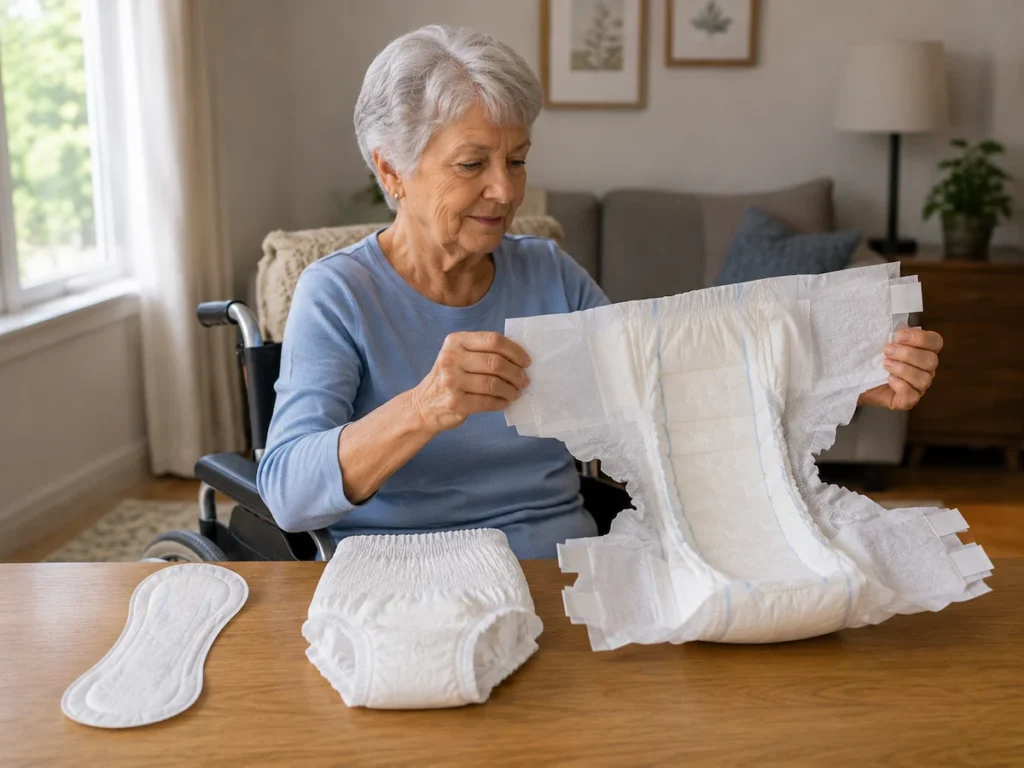
Adult diapers aren’t the first option most people consider, but for heavy leakage, they’re genuinely the right one. They offer full coverage and higher absorbency than pads or pull-up pants, which makes them a solid choice for older adults with limited mobility or unpredictable involuntary loss.
Below, we’ve outlined the situations where adult diapers make the most sense for elderly adults:
- Heavy Leakage Volume: Suits those losing large amounts of urine or faeces at once, beyond what pads handle.
- Limited Mobility: Tab-style diapers are easier for carers to change without the older adult standing up.
- Bowel Incontinence: Full coverage protects against faecal leaks that lighter products simply can’t contain.
- Overnight Protection: Higher absorbency keeps skin dry through long periods without a change.
- Post-Surgery Recovery: Disposable nappies work well during short-term recovery when mobility is temporarily reduced.
The cost of disposable products adds up over time, and that’s worth planning for. Eligible people may be able to offset some of that through the CAPS payment rate of $739.40 per year. That payment comes through Services Australia to help cover the costs of continence products.
Bed Pads: Protecting Sleep Without the Stress
A good bed pad means waking up dry, rested, and without a full sheet change at 2 in the morning. Bed pads sit on top of the mattress and absorb leaks during the night. They’re one of the simplest ways to make nighttime use of incontinence products more manageable.
For home use, washable bed pads are a popular pick. They’re reusable, cost-effective over time, and most fit standard Australian bed sizes without shifting around. But for travel or hospital stays, disposable options are the easier call since laundry isn’t always available.
Both types usually feature a waterproof backing that stops moisture from soaking through to the mattress. This helps protect furniture like mattresses and bed bases from permanent moisture damage. Keeping skin dry overnight also reduces the risk of irritation, which is a real concern for older adults.
Protecting bedding from moisture damage is only part of the picture. The aged care IPC guide from the Australian Commission on Safety and Quality in Health Care highlights bed protection and skin care as key parts of any continence management plan.
Continence Aids Beyond Pads: What Else Is Out There?
Pads and underwear get most of the attention, but continence aids go well beyond those two. There’s a full range of other products, each solving a specific problem that pads alone can’t handle. From protecting your mattress to caring for your skin, these options fill real gaps in daily incontinence care.
Now, let’s walk through three continence aids that make the most impact.
Mattress Protectors and Waterproof Covers
A waterproof mattress protector sits underneath bed pads to keep the mattress completely dry. Think of it as a second line of defence, especially for older adults who experience leaks during the night. Most are reusable, machine washable, and designed to fit standard Australian bed sizes without bunching up.
On top of that, they protect furniture like mattresses and bed bases from long-term moisture damage. As a result, a good quality protector can extend a mattress lifespan by several years. That’s a worthwhile investment when you think about how often you’d otherwise have to replace bedding.
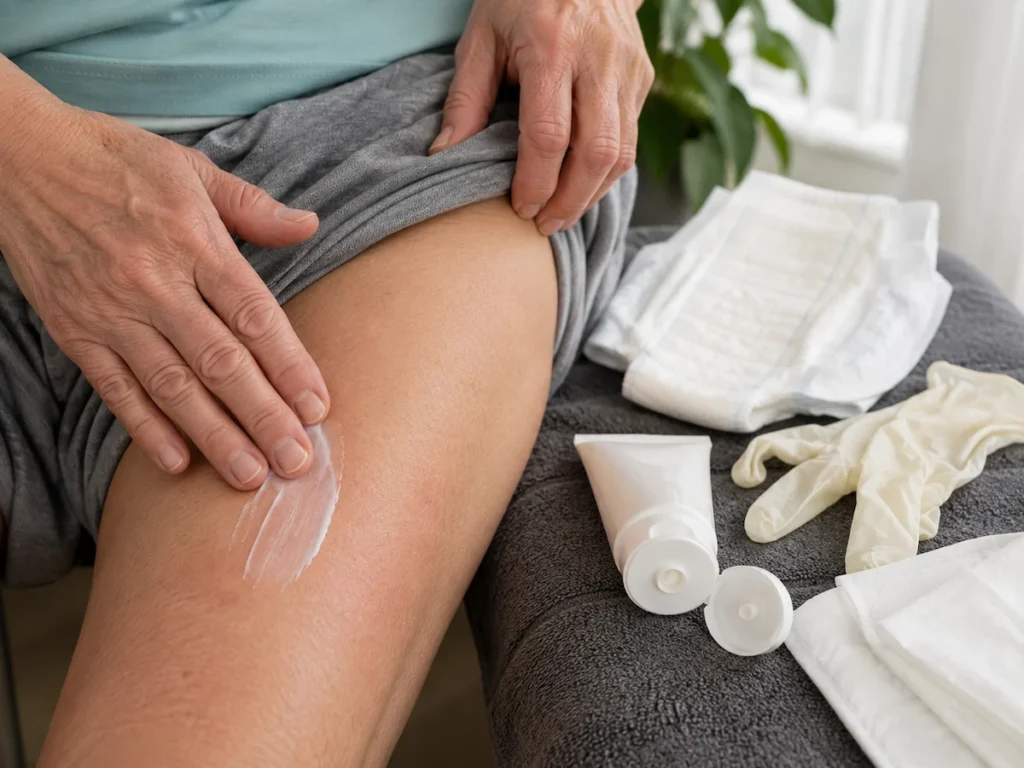
Skincare and Barrier Creams for Incontinence Care
Repeated moisture exposure from leaks breaks down skin quickly, often within days of poor product management. According to the skin barrier research from the Aged Care Quality and Safety Commission, ineffective barrier cream use is a leading cause of skin damage in older adults. That damage shows up as redness, soreness, and in serious cases, open wounds.
That’s exactly where effective barrier creams help. They sit between skin and moisture, blocking the irritation cycle before it starts. Applying them after every pad change keeps skin dry and healthy, which is why continence nurses recommend them as a daily habit.
Odour Control: Simple Products That Actually Help
Odour is one of the biggest daily concerns for older adults managing incontinence at home. Many people feel embarrassed about it, but there are simple, discreet options available. Odour-neutralising sprays and deodorising bags both help keep things comfortable without drawing attention.
Some continence products also include odour-lock technology built directly into the absorbent layer. That technology traps leakage odour at the source, adding genuine support and comfort without any extra products or effort throughout the day.
Best Incontinence Products for Different Leakage Levels
The right incontinence products depend on how much leakage you experience and when it happens. Here’s a simple breakdown to match your leakage level to the best product type:
| Leakage Level | Product Type | Best For |
| Light | Incontinence pads | Stress incontinence, occasional drips |
| Moderate | Incontinence underwear, pull-up pants | Active older adults, daily bladder leaks |
| Heavy | Adult diapers, full coverage products | Limited mobility, bowel incontinence |
| Overnight | Washable bed pads, high absorbency pads | Nighttime protection, deep sleep |
Many older adults find they need different products for different times of day. In fact, a lighter pad works well during the day, while a higher absorbency option suits overnight. Australia’s continence product market now offers hundreds of variations across absorbency, size, and style to cover exactly that need.
One thing you can’t afford to overlook is fit. If incontinence underwear keeps moving around during the day, it won’t protect properly. We’ve covered exactly how to fix that in our guide on incontinence underwear shifting. When you get the right product in the right size, daily comfort and confidence follow naturally.
Personal Care Tips That Make Incontinence Products Work Better
The right product only does half the job. Small daily habits are what make incontinence products perform at their best, keep skin healthy, and help older adults feel more confident throughout the day. Below, we’ve put together practical tips worth building into your routine:
- Change Products Regularly: Don’t wait until a pad is fully saturated. Changing every three to four hours helps manage bladder irritation, keeps skin dry, and reduces the risk of incontinence-associated dermatitis developing.
- Drink Enough Water: Many people reduce fluid intake to prevent leaks. In reality, concentrated urine irritates the bladder lining and worsens urgency over time. Aim for six to eight glasses of water daily.
- Train Your Bladder: Scheduling bathroom trips every two to three hours helps manage bladder control and reduces accidental leaks. Over several weeks, this can genuinely improve how often leaks happen.
- Keep Skin Clean and Dry: Wash and dry the area gently after every change, as damp skin breaks down within hours of moisture exposure. Healthy skin handles repeated contact with urine far better when it’s properly dried each time.
- Get the Right Fit: A pad or brief that’s too loose will shift and leak. Check sizing guides before buying, and reassess if leaks keep happening despite using the correct absorbency level.
- Talk to a Healthcare Provider: If leaks are getting worse or bowel problems are new, pass urine tracking notes to your GP. They can identify whether you need different continence aids or a referral to a continence nurse.
Small adjustments to your daily routine genuinely improve how well incontinence products work. If something isn’t performing the way it should, fit, timing, and skin care are the first three things to check.
How Carers Can Choose the Right Continence Products
Now that you know the product types, here’s how carers can identify the right fit for the older adult in their care. The starting point is always the same: mobility, leakage volume, and personal preference. For example, an older adult who dresses independently needs a different product to someone who is bed-bound and relies on a carer for changes.
Bowel and bladder needs can also shift over time. A product that worked well six months ago might not be the right one today. So, it’s ideal to check in every few weeks and adjust accordingly, before unnecessary leaks or skin issues develop.
What’s more, consulting a healthcare provider or continence nurse is one of the most practical steps a carer can take. They assess bladder and bowel control properly and recommend specific continence products based on clinical need. And the best part is most GPs can arrange a referral at no cost.
For carers managing incontinence on a tight budget, the government CAPS scheme from the Department of Health offers eligible people an annual payment toward continence product costs. It’s worth checking eligibility early, as the application process does take some time to complete.

Your Comfort Comes First. Here’s Where to Start.
Managing incontinence gets a lot easier once you know which product suits your situation. The best fit means fewer disruptions, better sleep, and genuine day-to-day confidence.
Here’s a quick recap to help you get started:
- Start with your leakage level (light, moderate, or heavy) and match it to the right product type
- Consider mobility, whether you dress independently or rely on carer support
- Factor in lifestyle, home use versus outings, and choose disposable or reusable accordingly
- Check eligibility for the government CAPS scheme if product costs are a concern
Oz Continence is here to help you find the right incontinence products without the confusion. Browse our resources, read up on specific product types, and take it one step at a time. You don’t have to figure this out alone.
FAQs About Incontinence Care Products
Still have questions? Let’s cover the ones that come up most often.
Can Men Use Incontinence Products Too?
Incontinence care products are made for everyone. Men have specific options designed around the penis and urethra, including shaped pads that collect urine directly. Women often use tampon-style devices or curved pads that sit closer to the body. Both experience leakage differently, so the product designs reflect that.
How Do I Know If I Need a Pad or Something Stronger?
It comes down to how often you urinate unexpectedly and how much you lose each time. Light leakage suits pads, while moderate to heavy leakage calls for pull-up pants or adult diapers. A continence nurse can assess your bladder or bowel control properly and recommend the right incontinence care product for your situation.
Do Skin Care Products Help With Incontinence-Related Irritation?
Yes, and they’re worth using from day one, not just after irritation appears. Barrier creams and gentle skin care products protect against moisture damage and support comfort during long wear periods. Changing products regularly and keeping skin dry between changes also reduces irritation significantly.
How Often Should I Change My Incontinence Product?
Most continence nurses recommend changing pads every three to four hours, even if the pad doesn’t feel fully saturated. Leaving a wet product on for too long breaks down skin quickly and increases the risk of irritation. For overnight use, a higher absorbency product reduces the need for mid-sleep changes.
Does Drinking Less Water Help Reduce Leaks?
Actually, the opposite is true. Limiting fluids concentrates urine, which irritates the bladder lining and worsens urgency over time. Aim for six to eight glasses of water daily to support bladder health. If leaks are a concern, avoid caffeine and alcohol, as both increase how often you need to urinate.
