
You can choose the right incontinence products by matching type, size, and absorbency level to each person’s specific continence needs. With so many product types, absorbency levels, and sizing options available, knowing where to start isn’t always easy.
Our Oz Continence customers often tell us the same thing. With options like pull-ups, bed pads, all-in-one briefs, and disposable pads, they feel overwhelmed about where to start. As each solution serves a different purpose, choosing the wrong one can lead to leakage, discomfort, and unnecessary stress.
This guide walks you through every key factor of the right incontinence protection. You’ll also learn which product types suit different needs, how absorbency levels work, and what to check before buying.
Let’s dig in.
Why Choosing the Right Continence Products Actually Takes Thought
Every elderly person has different absorbency needs, mobility levels, and skin conditions that a single generic product simply can’t address. That’s why understanding your type of incontinence is the first step towards choosing the correct solution.
To begin with, urinary incontinence and fecal incontinence are two very different conditions. Both involve the unintentional loss of bladder or bowel control, but the products built for one won’t always work for the other.
And honestly, a poor product choice can discourage people from exercising, travelling, or spending time with others as they don’t trust their protection. Up to 50% of seniors experience some form of continence condition, so this is far from rare.
For this reason, the right aid places great importance on two things above everything else:
- How well the product fits
- Whether the absorbency level actually matches the person’s needs
These are the important factors that influence every buying decision, and both deserve proper attention.
Key Factors to Consider When You Choose the Right Incontinence Product

Many products look similar on the shelf, but they don’t perform the same way. When you select the best one, it balances absorbency with a secure, comfortable fit for everyday use.
Let’s have a look at the main factors that influence the choice:
What are Your Absorbency Levels: Light, Moderate, or Heavy?
Absorbency levels answer how much urine leakage a product can handle before you need a change. To help classify absorbency, health care professionals often use a drop system to measure fluid capacity ranges across different options.
It might sound counterintuitive, but a higher absorption level isn’t always better. That’s why you should match the right level to actual leakage volume to avoid unnecessary bulk.
Absorbency capacity ranges break down across incontinence types like this:
|
Absorbency Level |
Drop System Rating | Suitable For |
Capacity Range |
|
Light |
1-2 drops | Occasional leakage, stress incontinence |
75-200 ml |
|
Moderate |
3-4 drops | Urge incontinence, frequent dribbling |
200-600 ml |
|
Heavy |
5-6 drops | Heavy incontinence, bowel incontinence |
600-1500 ml |
|
Extra Heavy |
7+ drops | Severe heavy incontinence, overnight use |
1500-4000 ml |
If you’re comparing products yourself, start by thinking about how much leakage you experience. Sometimes, light incontinence, like the occasional small leak during a sneeze or sudden movement, just needs a simple liner.
But if you’re not sure where to begin, a healthcare provider can assess the situation and recommend the correct absorption level.
Product Size and Fit: Why It Changes Everything
An ill-fitting product is one of the most common reasons incontinence protection fails. A too-large item creates gaps at the legs, while a too-small one feels uncomfortable against the skin. So getting the right size incontinence product from the start saves a lot of frustration.
During the process, measuring hip circumference with a measuring tape is the most reliable starting point.
Use the table below to find the suitable size before buying:
|
Size |
Hip Circumference |
Best Suited For |
|
Small |
60-80 cm |
Slim build, lower body weight |
|
Medium |
80-110 cm |
Average build, most elderly adults |
|
Large |
110-135 cm |
Larger build, higher mobility needs |
|
Extra Large |
135 cm and above |
Bariatric care, limited mobility |
Beyond sizing, the right product size keeps the inner layer properly positioned against the body throughout the day. This helps prevent leaks and maintain comfort throughout the day.
The Different Products Available and What They’re Each Good For
Absorbency labels can vary from one brand to another. That’s why it’s better to compare the actual millilitre (mL) rating instead of relying on the category name alone.
Based on what we see across continence care, the labelling system often confuses people more than other things. A simple breakdown of the different aids available and what each one does best:
- Disposable Pads: These attach directly inside regular underwear using adhesive strips. Plus, they suit light to moderate bladder leakage and are a discreet option for people who prefer to keep wearing their usual underwear.
- Pull-Up Pants: As pull-ups look and feel like normal underwear, they’re a good option for adults who can manage toileting independently. So you can choose them for moderate to heavy incontinence while remaining easy to pull on and remove without assistance.
- Adult Diapers: Also known as all-in-one briefs. These offer maximum coverage for heavy leakage and are the right solution for people with limited mobility. In particular, those who need assistance changing regularly.
- Bed Pads: These protect the mattress from nighttime leakage and bowel incontinence. They work alongside other continence products by making them a practical addition to any overnight routine.
These aren’t interchangeable options. Each one serves a specific purpose, and pairing the wrong option with the wrong need is where most difficulties begin.
Adult Diapers vs Pull-Up Pants: Which One Works Better?
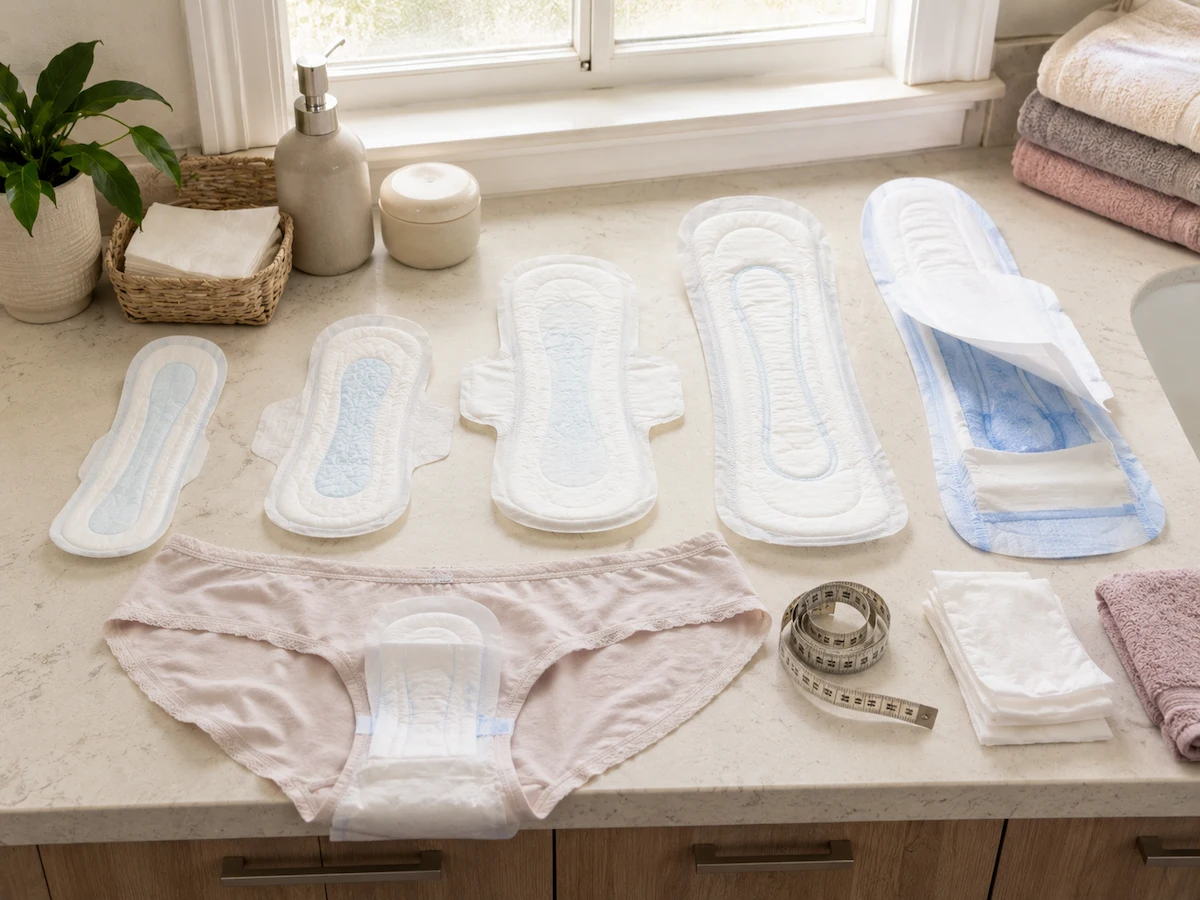
Both handle moderate to heavy leakage, but they serve very different situations. In practice, adult diapers suit people with limited mobility or heavy incontinence, while pull-up pants work better for those who are more independent and active.
Here’s a side-by-side look at how adult diapers and pull-ups compare across the factors:
|
Feature |
Adult Diapers (all-in-one) |
Pull-Up Pants |
|
Absorbency |
Heavy to extra heavy |
Moderate to heavy |
|
Who They Suit |
Limited mobility, assistance changing needed |
Independent adults, active lifestyle |
|
Design |
Tabbed brief, adjustable fit |
Resembles normal underwear |
|
Ease of Use |
Requires carer assistance |
Self-managed, easy to pull on |
|
Discretion |
Bulkier under clothing |
Slim fit, discreet option |
|
Best For |
Nursing home residents, bedridden adults |
Adults who want to maintain independence |
In short, all-in-one briefs are the preferred choice for heavy incontinence because they provide maximum urine absorption and full coverage around the hips and legs.
Pull-ups, on the other hand, help elderly adults stay active without feeling restricted. They also fit like regular underwear and move with the body, which means a person can continue their normal routine without leakage getting in the way.
Disposable Pads: A Simple Option Worth Knowing About
Disposable pads work well with regular underwear, so there’s no need to change your whole routine.
For elderly adults managing light to occasional leakage, disposable pads are often the easiest starting point. They sit inside normal underwear and stay in place using adhesive strips on the back (no special garments, no complicated fitting process).
Check the following features when choosing incontinence pads:
- Absorbency Rating: Match the pad’s absorption level to the actual leakage volume. Generally, light stress or urge incontinence with occasional leakage suits a lower-rated absorbent pad while frequent dribbling needs a higher-rated option.
- Waterproof Backing: A reliable pad needs waterproof backing to stop urine passing through to regular underwear. Otherwise, leakage reaches clothing regardless of how absorbent the inner layer is.
- Size and Shape: Pads come in different lengths and widths. A pad that’s too narrow shifts during physical activity and loses its position. So you should check the fit before committing to a bulk purchase.
- Odour-Control: Most pads include odour-control technology inside the absorbent core. This keeps things discreet through the day without needing frequent changes.
- Skin-Friendly Materials: The layers sitting against skin should feel soft and stay dry after absorbing fluid. Rough or non-breathable materials increase the risk of skin irritation over time.
Simply put, if your leakage is light to moderate and you’re looking for an initial place to start, disposable pads are often the most practical option.
Bed Pads and Overnight Protection: What Changes After Dark

Overnight incontinence needs more absorbency and better coverage than daytime protection because there’s no opportunity to change during sleep. But pads only cover part of the picture once nighttime security comes into play.
Naturally, nighttime leakage brings a different set of challenges. During incontinence-related issues, the body produces more urine during sleep, and people may not notice episodes for hours. Consequently, skin stays in contact with moisture far longer than during the day.
To address those challenges, the following two things decide how well overnight safety performs.
Picking the Right Bed Pad for Your Situation
Not every bed pad suits every situation. Bed pads with waterproof backing protect the mattress from nighttime incontinence and bowel leakage without restricting movement during sleep.
Understand the following situations before committing to anything:
- Home Care Settings: Reusable bed pads are a cost-effective choice for home use since you can reuse them after washing. They hold up well with regular laundering, which makes them suitable for long-term use.
- Nursing Home Settings: In most cases, disposable bed pads suit nursing home residents better. Carers can change them quickly without waiting for laundry cycles. As a result, everything stays hygienic and efficient.
- Sizing the Pad Correctly: Use a measuring tape to check the sleep surface before buying. A pad that doesn’t cover the full area leaves the mattress exposed, so always size up if the person moves during the night.
This way, you can choose the right size to keep the mattress protected and reduce the chance of overnight leaks.
Important Factors for Overnight Absorbency
Through our experience supporting people with nighttime incontinence, pairing a bed pad with pull-up pants consistently outperforms using either product alone.
Typically, overflow incontinence and functional incontinence create particular challenges overnight when a person can’t respond quickly. To manage this, you can pair pull-ups with a bed pad for a reliable second layer.
In doing so, if the fitted brief reaches its limit, the protective underlay will catch the remaining part and will keep the bed dry.
Moreover, bowel incontinence episodes during sleep can go unnoticed until morning. So you should look for solutions where the absorbent core keeps the layer dry against the skin and manages odour through the night.
Skin Health and Comfort: The Part Most People Overlook
Most people focus on absorbency and forget that the product sitting against skin all day can cause serious irritation. Over time, constant moisture and friction can damage the skin barrier and increase the risk of irritation.
Consistent leakage increases the risk of incontinence-associated dermatitis (IAD). Repeated moisture exposure causes the outer skin to break down. In this case, these products can keep the skin layer dry by pulling urine away.
|
Product |
Purpose |
How to Use |
| Protects skin from repeated moisture exposure |
Apply to clean, dry skin before putting on incontinence protection |
|
|
Non-irritating cleanser |
Removes urine residue without stripping the skin barrier |
Use instead of soap and water during every product change |
|
Moisture-wicking liner |
Keeps the layer dry against skin between changes |
Wear inside regular underwear for light incontinence |
|
Breathable incontinence briefs |
Allow air circulation to reduce heat and skin irritation |
Suited for elderly adults who stay active through the day |
Caution: Choose the barrier creams and cleansers after consulting a health care professional, especially if skin irritation has already appeared.
Now that you know what to look for, here are some easy tips to make the buying process much less overwhelming.
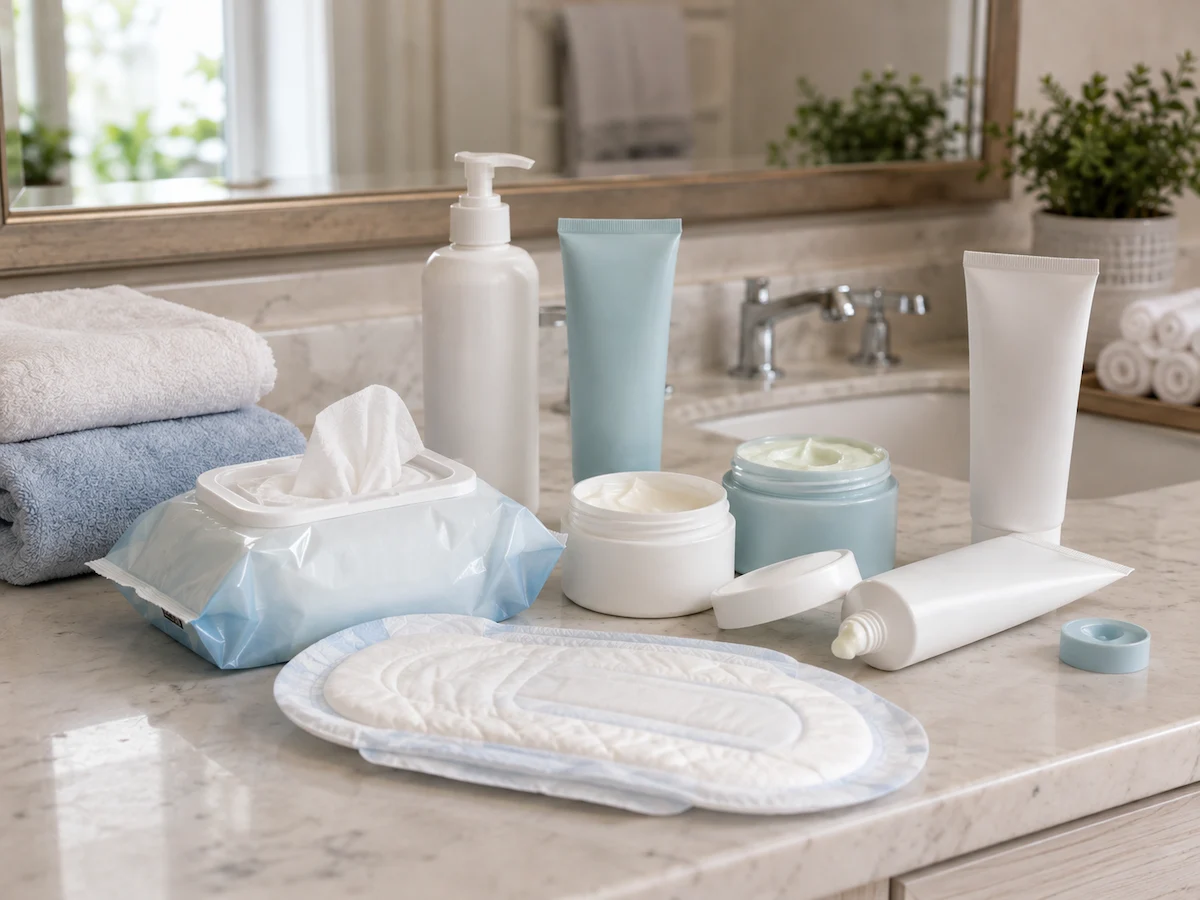
Practical Tips on How to Choose the Right Incontinence Products for Elderly Adults
Most families tell us they had no idea this many options existed until they were suddenly in the middle of it. After finding the right incontinence solution, they spent less time dealing with leaks and product changes, and more time getting on with everyday life.
So follow these practical steps when searching for the ideal products:
- Start with the lightest product and adjust absorbency levels upward only if leakage continues
- Measure hip circumference to confirm the best product size
- Check the drop system rating on packaging rather than just the size label
- Ask a healthcare provider to assess incontinence type and severity before buying
- Try free sample packs to figure out the perfect fit, fluid capacity, and comfort
- Buy daytime and overnight protection separately since each serves a different absorbency need
That said, managing incontinence starts with the right information. You may not find the suitable option immediately, but these tips can help you avoid unnecessary guesswork.
You’ve Got This: Finding the Right Fit Starts Here
Choosing the correct solutions for an elderly person doesn’t feel overwhelming once you know what to look for. Absorbency levels, product size, and the type of incontinence all point you toward the suitable solution without endless guessing.
Here’s what to keep in mind as you move forward:
- Match protection to the person’s mobility level and daily routine.
- Start with the lightest option and adjust absorbency upward if needed.
- Check the fit carefully using hip circumference measurements.
- Buy daytime and overnight safety separately.
At Oz Continence, we’re here to help you find the correct incontinence product for every situation. Browse our guidance to make a confident, informed decision from the start.

Questions People Often Ask About Incontinence Products for the Elderly
These are the questions carers and families ask most often when they’re trying to find the right continence aids for their loved one.
1. What’s the difference between pull-ups and adult diapers for elderly people?
Pull-ups resemble regular underwear and suit elderly adults who can manage toileting independently. Meanwhile, adult diapers (all-in-one briefs) work better for nursing home residents or anyone needing assistance in changing.
Either way, the correct product choice depends on mobility level and how much the person can manage incontinence themselves.
2. How do I manage bladder leakage at night for an elderly person?
Pairing pull-up pants with a waterproof bed pad gives the best overnight coverage. That’s why you should choose protection with higher absorbency capacity than daytime options. Plus, look for odour-control features if bowel incontinence is also a concern.
3. Can incontinence products treat the underlying cause?
No. Incontinence items help manage symptoms but don’t treat the underlying cause. If symptoms are new or worsening, consulting a health professional is the ideal solution. They will assess if it’s stress incontinence, urge incontinence, or another condition that needs medical attention.
4. How do I choose the right incontinence product size for an elderly person?
Measure hip circumference with a measuring tape and match it to the sizing chart on the packaging. A suitable product that fits well prevents leakage far more reliably than one chosen by guesswork.
And optimal incontinence products always start with the proper fit rather than just the right absorbency.
