
Have you ever skipped a walk or said no to a lunch out because you worried about leaks? That’s common among older adults with incontinence, and it can often hold you back from doing things you love.
Picking the wrong incontinence products can make things even worse. You might end up with bulky fits, skin irritation, and constant adjustments, which can take the joy out of staying active.
But with the right protection, you can easily keep your confidence up and get back to your daily routine in no time. In this article, we’ll break down a comparison of incontinence pants for active seniors. You’ll see how comfort, fit, and absorbency differ, so you can find what works for your life.
Comparison of Incontinence Pants for Active Seniors: Adult Diapers vs. Best Incontinence Underwear
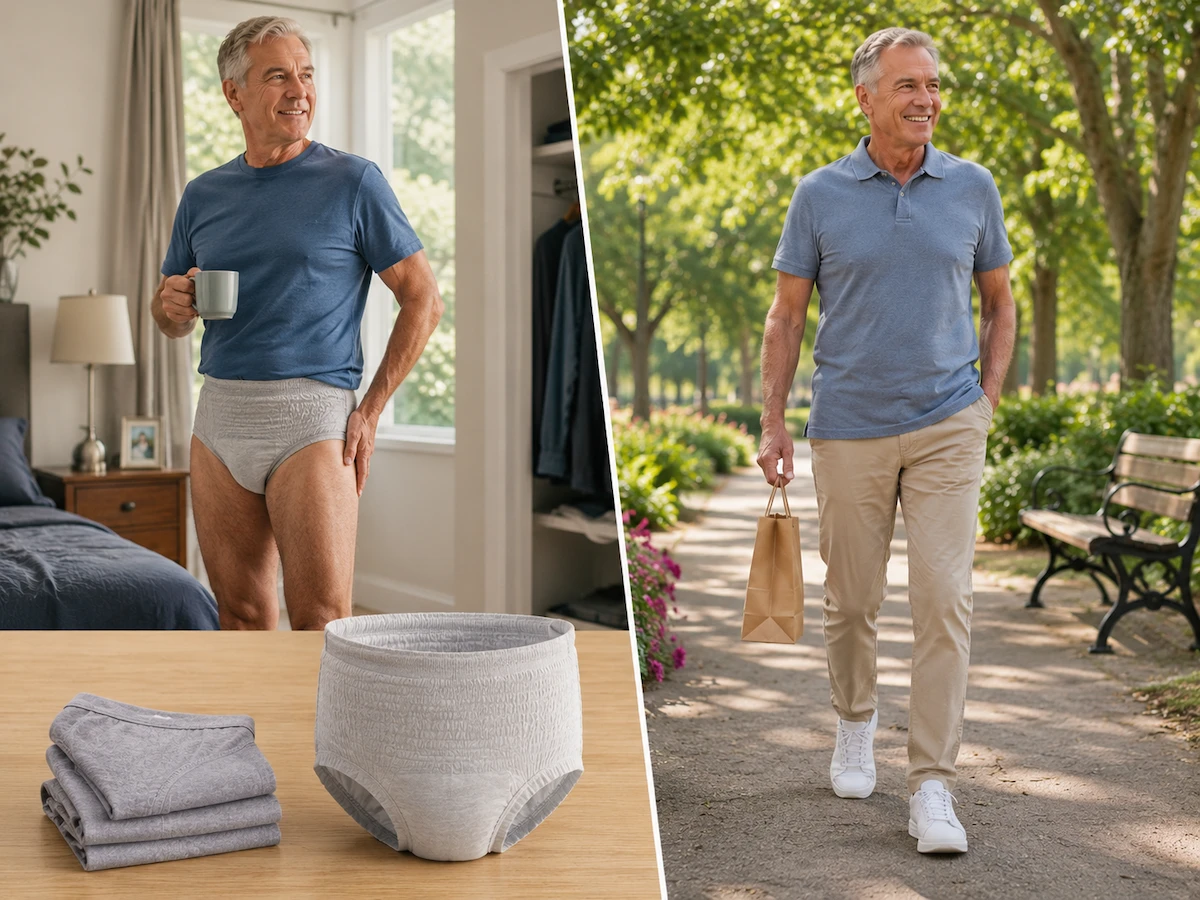
The best adult incontinence underwear for you comes down to three things:
- How active you are
- How heavy your leaks are
- How easily you can change
So let’s compare the main types of adult diapers and incontinence products to help you find the right fit.
Pull-Up Incontinence Underwear
Pull-ups look and feel surprisingly like regular underwear. That’s what makes them so popular with active seniors who want discreet protection during walks, shopping, or exercise.
You can slide them on and off without help so you maintain independence throughout the day. They suit light to moderate incontinence well and sit comfortably under most clothing. For reference, light absorbency pull-ups typically handle around six to eight ounces of fluid.
That said, pull-ups hold less fluid than tabbed briefs. So if you deal with heavy incontinence or need something reliable for overnight use, they might not offer enough coverage on their own.
Adult Diapers (Tabbed Briefs)
These are designed for heavy incontinence and overnight protection. Each side has adhesive tabs that let a carer (or yourself) adjust the fit without removing your clothing. That makes them a practical option for older adults with limited mobility who need frequent changes.
Adult diapers can also give a secure fit and higher absorbency than pull-ups. Some can manage 20 or more ounces of fluid over several hours (which means fewer changes through the night). The downside is that they tend to feel bulkier and more noticeable during longer physical activity like gardening or social outings.
Reusable vs. Disposable Options
Disposable and reusable options each suit different parts of your routine.
Here, disposable incontinence underwear is handy when you’re travelling or spending a full day out. After use, you simply throw it away, so you don’t have to carry or wash used underwear while you’re out.
On the other hand, reusable incontinence pants cost more upfront, but they can save money over time since you use them again and again. This makes them a more environmentally friendly option.
The catch is that they do need regular washing after each use, so they work best for everyday wear at home rather than long trips.
Incontinence Pads vs. Disposable Pads
A small absorbent pad sits inside your normal underwear and catches drips from a cough, sneeze, or laugh throughout the day.
But pads have their limits. The absorbent layer in a pad is much thinner than what you get in a pull-up, so you end up changing more often. That’s why many active seniors eventually make the switch to pull-ups for the fuller coverage and a more reliable fit around the legs.
Rule of Thumb: If you’re changing pads more than three times a day, it may be time to move up to pull-ups.
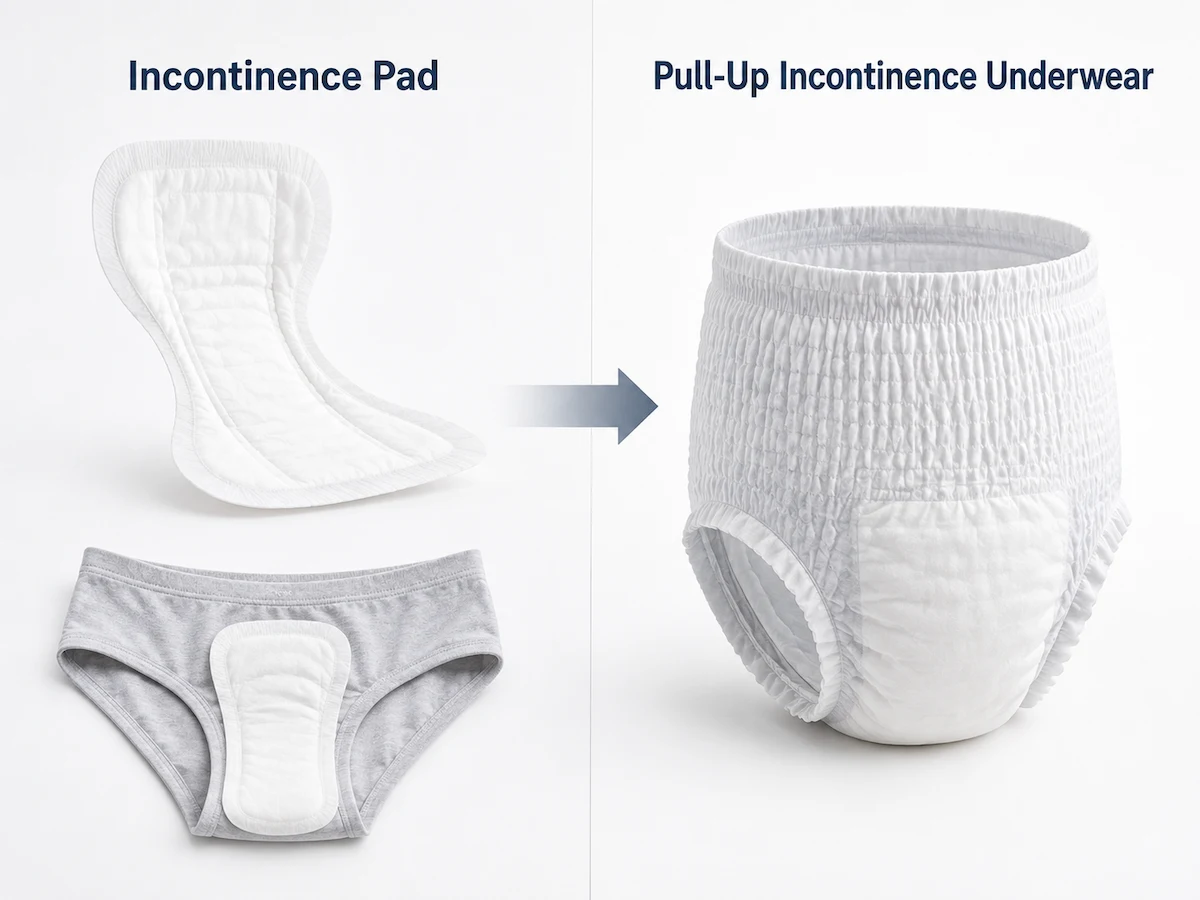
Incontinence Underwear Types Compared: Absorbency, Comfort and Mobility
It’s easier to pick the right incontinence underwear when you can see the trade-offs side by side. This table breaks down leak protection, mobility, and comfort so you can match each type to your daily life.
|
Type |
Best For | Mobility | Discretion | Leak Protection |
Ease of Changing |
|
Pull Ups |
Light to moderate incontinence, active days out | High, moves with your body | Looks like regular underwear | Good for daytime use, handles 6–8 oz |
Pull on/off independently |
|
Tabbed Briefs |
Heavy incontinence, overnight use | Lower, bulkier fit | Less discreet under clothing | Maximum absorbency, reinforced leak guards, handles 20+ oz |
Adhesive tabs, easy for carers |
|
Reusable Underwear |
Daily home use, budget-conscious seniors | High, soft and flexible | Fits under most clothing | Moderate, needs regular changing |
Wash and reuse after each wear |
|
Incontinence Pads |
Occasional leakage, light incontinence | High, barely noticeable | Very discreet | Light, coverage varies by pad size |
Swap pads as needed |
|
Disposable Pads |
Travel, short outings | High | Very discreet | Light, additional protection only |
Single use, toss after |
Every type suits a different moment in your day. For example, if your leaks are light and you’re staying active, pull-ups or incontinence pads will likely do the job.
And for heavier incontinence or restless nights, tabbed briefs with maximum absorbency will give you the most reliable coverage.
How to Choose the Best Incontinence Products Based on Absorbency and Comfort
For comfort and absorbency, you need to be aware of two things: the amount of leakage you experience and your daily activity level. At the end of the day, the right incontinence product should fit your lifestyle and support your daily activities.
Here’s how to work out what suits you best as an active senior.
Match Absorbency Levels to Your Needs
Wearing too little protection can leave you worrying about leaks, while wearing too much can feel bulky and uncomfortable. Instead, you need to choose the right absorbency level to help you stay dry and comfortable without the extra bulk.
This is what each level covers when you’re choosing incontinence supplies:
- Light Incontinence: A cough, sneeze, or laugh can cause small drips throughout the day. Pull-ups or incontinence pads with light to moderate absorbency handle this well (as a reminder, they manage around 6-8 ounces of fluid). Plus, they stay thin enough for a morning walk or a trip to the shops without anyone noticing.
- Moderate Incontinence: These leaks tend to be heavier and less predictable, often happening while you’re moving, bending, or standing up quickly. For that, incontinence underwear with moderate absorbency will give you solid coverage through a busy day without needing constant changes.
- Heavy Incontinence: Higher absorbency products like tabbed briefs can hold 20 or more ounces over several hours, so they’re a better choice for frequent or heavy urine leakage. They also need changing less often, which can make outings easier when bathroom access is limited.
- Overnight Protection: Your bladder stays active while you sleep, and the average adult bladder holds about 11 to 20 ounces (300-600ml) of fluid. To keep up with that, pick a maximum absorbency product that can hold 30 or more ounces over 8 to 12 hours. That extra capacity will help you stay protected and sleep through the night without interruptions.
Keep in mind that these absorbency ranges reflect what you’ll commonly find across continence products, but can still vary by brand and product. We recommend checking Continence Health Australia for general guidance on choosing the right product for your needs.
Moreover, if you choose a product that’s more absorbent than you need, it can feel bulkier, reduce comfort, and make it harder to move around during physical activity. Instead, go with a product that matches the amount of leakage you have.
This way, you’ll get the protection you need without giving up comfort.
How Different Types of Incontinence Affect Your Choice
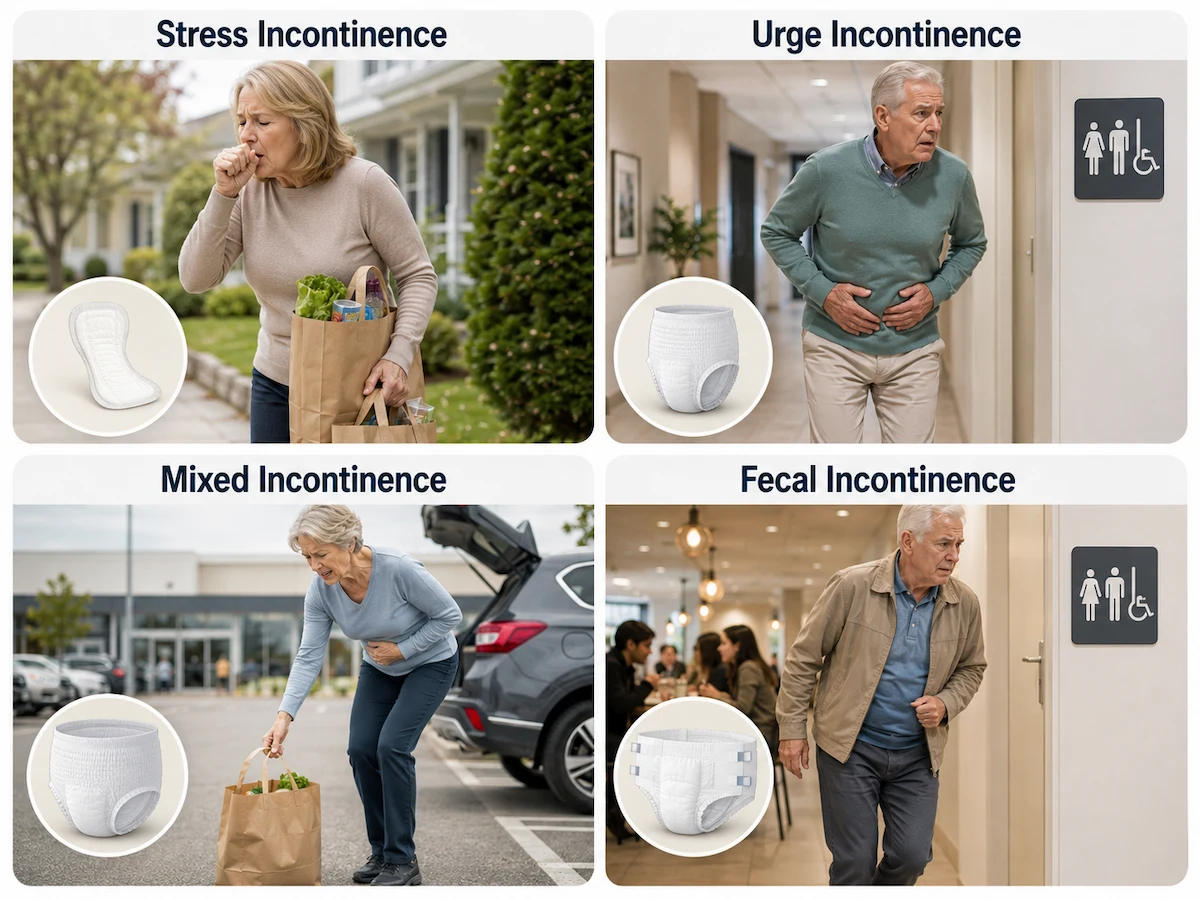
Different types of incontinence vary in how much leakage they cause, when it happens, and how often it occurs. So have a look at the most common types to choose the right level of protection:
Stress Incontinence
Stress incontinence is the most common type among active older adults. It’s usually triggered by sudden pressure on your pelvic floor, like when you cough, sneeze, laugh, or pick up something heavy.
These moments cause involuntary leakage (usually just a few drops at a time). Because of that, light absorbency pull-ups or pads are usually enough to get you through a full day of errands, walks, or exercise.
Urge Incontinence
Instead of small leaks, urge incontinence causes a sudden and strong need to urinate, often with very little warning. As a result, the amount of urine you leak is usually larger and harder to predict. If you can’t always get to a bathroom in time, high-absorbency incontinence underwear can give you the extra protection you need to stay dry and comfortable.
Mixed Incontinence
For some people, it’s not one type or the other. Mixed incontinence combines symptoms of both stress and urge, which means your leaks can shift between light drips and larger surges throughout the day. That unpredictability makes it harder to rely on a single absorbency level.
But, generally, a high-absorbency product is the better choice since it can handle both lighter leaks and larger episodes without needing to switch products during the day.
Fecal Incontinence
Fecal incontinence brings a completely different set of challenges. Rather than urine leakage, it involves bowel leakage, which requires stronger containment and more targeted features.
So, try to look for incontinence products with:
- Reinforced leak guards along the legs
- Solid odour control
- A waterproof backing to protect your outer clothing
Tabbed briefs tend to work best for bowel incontinence because they wrap more fully around your body and create a tighter seal. However, if you have both fecal and urinary incontinence, you need to choose a tabbed brief or pull-up designed for dual incontinence. This way you don’t need to wear multiple products at the same time.
If you experience urinary incontinence alongside any of these types, it’s worth chatting with your GP about treatment options. The right medical guidance can help you manage incontinence more effectively and may even reduce the level of protection you need over time.
Once you’ve chosen the right product for your type of incontinence, the next step is making sure it’s comfortable enough to wear throughout the day.
Comfort Features That Are Important for Active Seniors
The right absorbency keeps leaks under control, but comfort depends on the product’s design. These are the features that affect comfort the most when you’re moving around:
- Breathable Materials: If you spend time outdoors or struggle with heat, breathable materials can make a noticeable difference. Nonwoven polypropylene or polyethylene fabrics, in particular, allow air to circulate and keep your skin cooler and drier throughout the day.
- Stretch Waistbands: This feature involves a flexible waistband that moves with your body as you bend, walk, or sit. It keeps the product securely in place without digging into your skin, which helps you stay more comfortable during everyday activities and exercise.
- Secure Fit: Snug coverage around the waist and legs helps prevent leaks, even with highly absorbent products. To get that fit, measure your hips before buying instead of relying on your usual clothing size. Most incontinence brands publish sizing guides on their websites to make this process easier.
- Waterproof Backing: This outer layer acts as a barrier between moisture and your clothing. If you deal with moderate to heavy leaks, it’s one feature you don’t want to go without (particularly on longer outings).
- Reinforced Leak Guards: Leaks don’t always travel straight down. Inner cuffs along the legs catch sideways leaks before they reach your clothing. Similar to stretch waistbands, they’re especially handy during bending, walking or getting in and out of a car.
- Odour Control: Quality incontinence products use odour-neutralising technology to trap odours instead of simply covering them up. That extra protection can help you feel more confident when spending time with family, friends, or in other social settings.
- Skin Protection: Moisture sitting against your skin for hours can lead to irritation and redness. Soft inner linings help reduce that risk. If you have sensitive skin, look for hypoallergenic products made without latex or added fragrances to reduce the chance of itching or discomfort.
Remember that comfort features carry just as much weight as absorbency. After all, a product that traps heat or fits poorly won’t get worn regularly, regardless of how well it absorbs. The best incontinence underwear is the one you’ll actually reach for every morning.
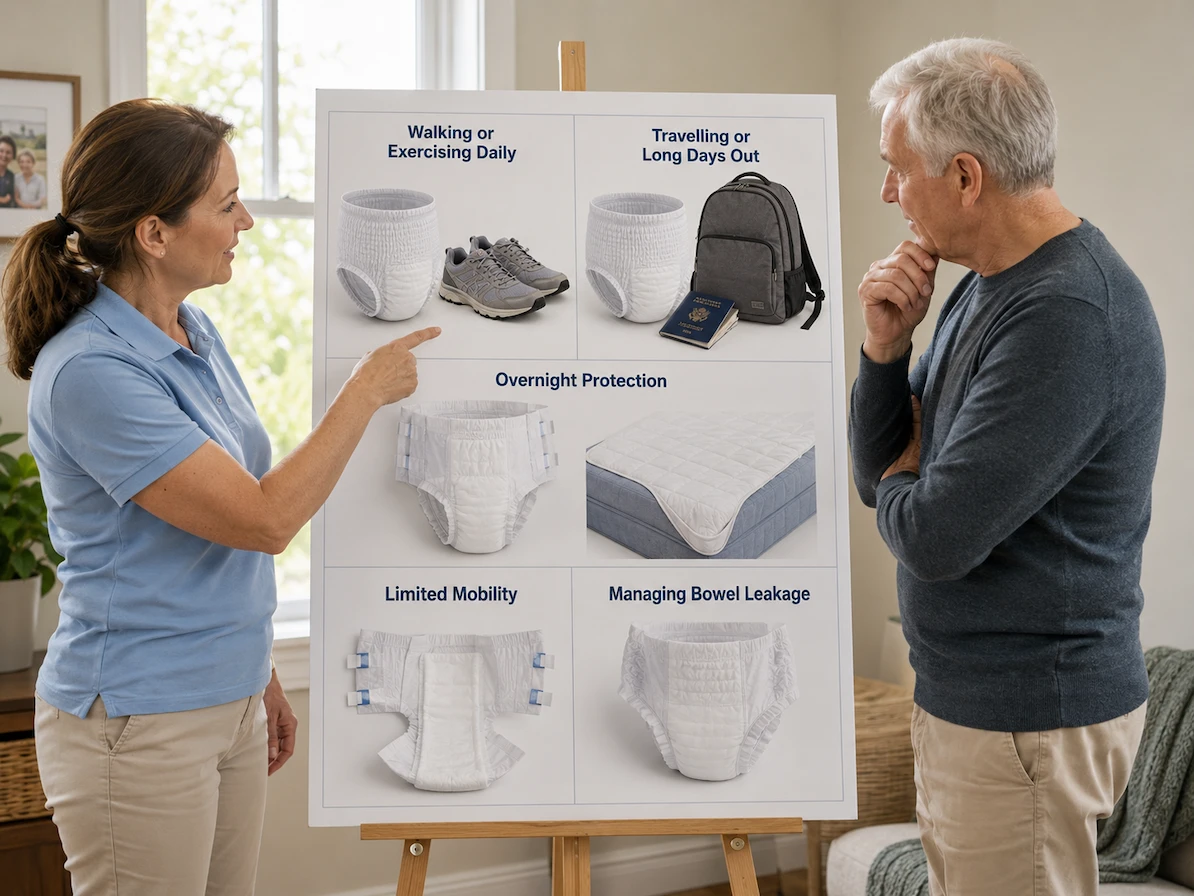
A Simple Decision Guide
Your best incontinence option depends on your body, routine, and what feels right. Instead of guessing, try matching your situation to the right product type:
- Walking or exercising daily → Pull-ups with light to moderate absorbency that move with your body.
- Travelling or out for long stretches → Disposable pull-ups for easy changes when you’re away from home.
- Dealing with overnight leakage → High absorbency adult diapers or tabbed briefs with overnight protection for heavy incontinence (will get you through 8 to 12 hours)
- Living with limited mobility → Tabbed briefs with adhesive tabs so carers can help with quick, comfortable changes.
- Managing bowel leakage → Products with reinforced leak guards and waterproof backing for full containment.
At the end of the day, the right product helps you maintain independence and stay active on your own terms. The goal is to match what your body needs to what your life looks like, so protection supports you rather than getting in the way.
Choose the Best Incontinence Products for Comfort, Confidence and Independence
There’s no single best incontinence underwear that suits everyone, and that’s perfectly fine. Your leaks, routine and comfort preferences are all personal after all. So rather than chasing brand names, focus on finding the absorbency, fit and style that match how you spend your day.
And keep in mind that your needs can change over time. As your symptoms change, you may need a different absorbency level, product type, or fit. So if your current product no longer feels comfortable or provides enough protection, talk to your GP or a continence nurse. They can help you find an option that’s better suited to your current needs.
Visit Oz Continence for more practical continence advice, product information, and guidance to help you find the option that best fits your needs.
Frequently Asked Questions
These are some of the questions we hear from older adults and carers when comparing incontinence products. Hopefully they clear up any remaining confusion.
What Is the Difference Between Adult Diapers and Pull-Up Incontinence Underwear?
Adult diapers, also called tab-style briefs, fasten with adhesive tabs on each side. This means a carer can change them without removing clothing, which suits people with limited movement.
Pull-up incontinence underwear, on the other hand, works more like normal underwear. You step in and pull them up yourself, so they’re a popular bladder control product for people who want to stay independent.
Can Incontinence Pants Help Manage Both Urinary and Bowel Leakage?
Yes. Urinary incontinence affects millions of Australians, and many of them deal with bowel leakage at the same time.
The good news is that there are products with reinforced leak guards, odour control, and waterproof backing that can handle both urine leakage and fecal incontinence. But the level of protection you need will depend on the volume and frequency of your leaks.
How Often Should Incontinence Products Be Changed?
In general, you need to change your product every three to four hours during the day. For overnight incontinence, a high absorbency product can last 8 to 12 hours.
Plus, some disposable underwear includes wetness indicators that show when it’s time for a change. This way, you can keep your skin dry and lower the risk of irritation.
Are Reusable Incontinence Products Better Than Disposable Options?
It depends on your routine. Disposable and reusable options each have strengths. Reusable options cost less over time and suit daily home use.
In contrast, disposable products from most incontinence brands are easier for travel and days out. Some people mix both into their product line depending on the day. Since absorbency levels and sizing vary between brands, trying a few products can help you find the right fit.
What Should I Look for When Buying the Best Incontinence Products for Active Seniors?
Start with your hip measurements to get the right size, since incontinence products come in multiple sizes for different body types. From there, look for good absorbency that matches your leak level, a secure fit around the waist and legs, and discreet protection that sits flat under clothing.
For occasional leakage, a thinner product with light absorbency is often enough to keep you comfortable and moving freely.
